Wood Wall Coat & Hat Rack: Size, Height & Mounting Tips
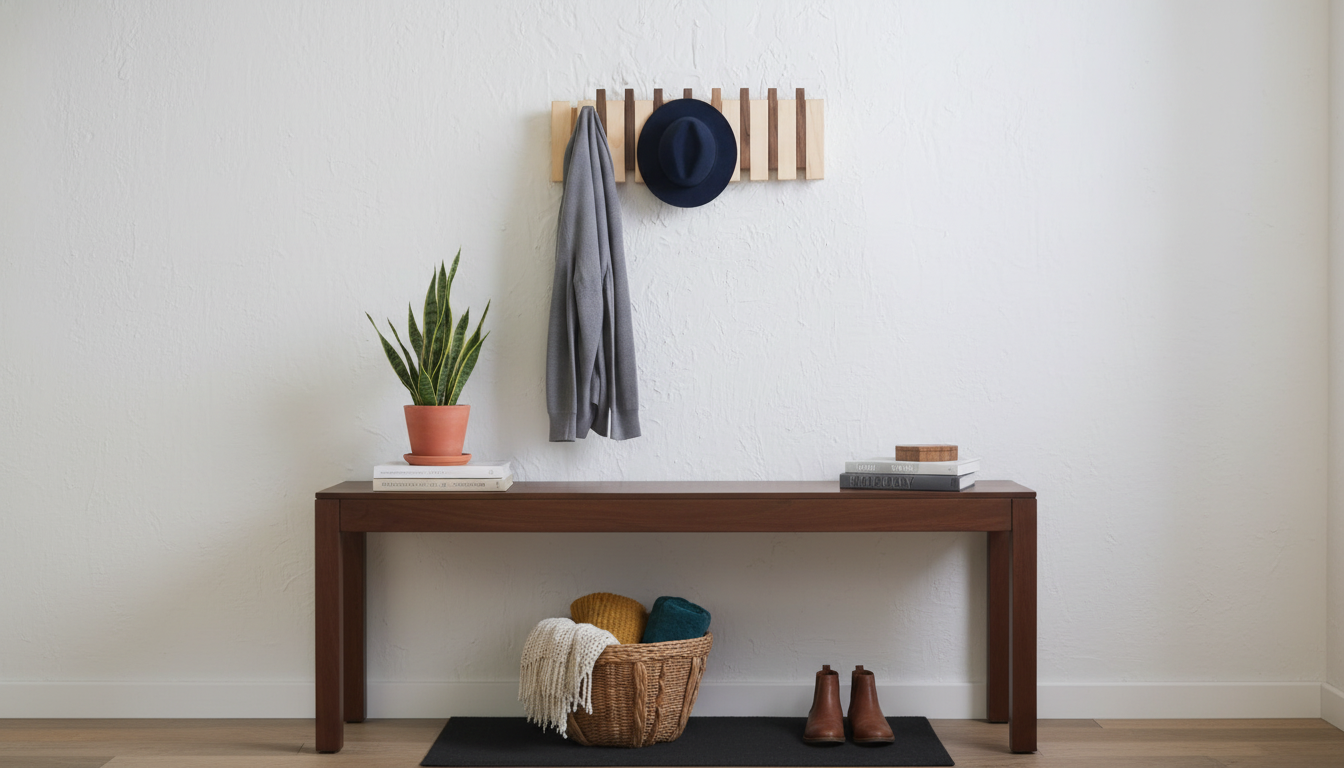
Wall-Mounted Wooden Coat & Hat Rack: A Clean, Sturdy Entryway Upgrade
A wall-mounted wooden coat and hat rack keeps everyday outerwear off chairs and floors while adding warmth and structure to an entryway, mudroom, or hallway. The right rack balances hook spacing, sturdy mounting, and a finish that fits the room—so it looks intentional and works hard during busy mornings.
What a Wall-Mounted Wooden Rack Does Best
- Creates a dedicated drop zone for coats, hats, scarves, and bags without taking up floor space
- Helps reduce clutter hotspots near doors by giving each item a consistent home
- Adds natural texture and visual warmth compared with all-metal organizers
- Works well in narrow hallways, small apartments, and high-traffic family entryways
For a simple, streamlined upgrade, a wall-mounted option like the Wall-Mounted Wooden Coat & Hat Rack keeps the footprint minimal while making the entry feel more “finished” than a pile of jackets on a chair.
Choosing the Right Size, Hook Count, and Spacing
- Match hook count to the household routine: daily coats + occasional guests + one “overflow” hook
- Look for comfortable spacing so bulky winter coats don’t overlap too much
- Consider vertical clearance: longer coats and umbrellas need room below the rack
- If hats are a priority, favor hooks that can hold a brim without creasing (or add dedicated hat hooks)
Quick sizing and placement guide
| Space | Typical mounting height | Best use | Notes |
|---|---|---|---|
| Entryway (main door) | 60–66 in (152–168 cm) from floor to hook line | Everyday coats, keys, bags | Keep 6–10 in clearance above any bench backrest |
| Mudroom | 60–70 in (152–178 cm) | Heavier outerwear, backpacks | Mount into studs when possible for higher loads |
| Kids’ zone | 42–54 in (107–137 cm) | School bags, light jackets | Lower height encourages independence and reduces tugging |
| Bedroom/closet wall | 62–68 in (157–173 cm) | Next-day outfit, robes, hats | Avoid placing above delicate furniture that could be scuffed |
Spacing matters as much as the hook count. If hooks are too tight, sleeves and scarf ends bunch together, and damp coats dry more slowly. If the rack is long enough, leaving one hook intentionally empty helps the whole setup look calmer (and makes it easier to hang a bag quickly on the way out).
Material and Finish Considerations
- Solid wood tends to resist flexing over time, while engineered wood can be stable if well-made and properly mounted
- A sealed finish helps with wipe-downs and reduces staining from damp hats and coat collars
- Rounded edges and smooth sanding help prevent snagging knitwear and scarves
- If the rack will face wet conditions (snowy coats, umbrellas), prioritize a moisture-resistant finish and plan for airflow around hanging items
Wood adds softness where entryways often lean hard (tile, metal, glass). A matte or satin sealed finish typically looks natural while still being practical for real life—especially when coats come in damp. If the rack doubles as a bag station, smooth hooks can also help protect straps on everyday carry items like a Women’s Genuine Leather Boston Shoulder Bag from scuffing.
Where to Install for the Most Useful “Drop Zone”
- Near the door latch side: reduces drips and dirt tracked deeper into the home
- Above a shoe mat or tray: pairs well with seasonal outerwear and wet-weather gear
- Over a narrow console or bench: creates a complete entry station (sit, remove shoes, hang coat)
- In hallways: place away from tight corners so coats don’t brush walls or door trims
A coat rack works best when it’s effortless to use. If someone has to walk around an open door, step over shoes, or squeeze past a corner, coats end up on the nearest chair. Aim for a straight-line routine: enter, remove shoes, hang outerwear, drop keys.
Mounting and Safety Basics
Stud mounting is the gold standard for a rack that sees daily use. When that’s not possible, the right anchors can still perform well if they’re chosen for your wall type and installed carefully. For a clear overview of safe approaches, see This Old House — How to Hang Heavy Objects on Drywall. And because entryways are high-traffic zones, it’s also worth keeping broader home safety in mind, including tip-over awareness for nearby furniture: CPSC — Tip-Over Prevention (Home Safety).
If the wall needs touch-ups after filling old holes or you’re refreshing the entry color for a more cohesive look, a tool like the 650W Electric Airless Paint Sprayer can speed up larger repaints—especially when the entryway connects to a hallway and you want consistent coverage.
Styling Ideas That Still Stay Practical
Care and Maintenance
FAQ
How much weight can a wall-mounted wooden coat rack hold?
It depends on the rack design and, most importantly, how it’s mounted. Anchoring into studs typically supports the highest loads; if you’re using drywall anchors, choose ones rated for your wall type and expected weight, and distribute heavy items across multiple hooks.
What is the best height to mount a coat and hat rack?
Most entryways work well around 60–66 inches from the floor to the hook line. Adjust lower for kids’ access or slightly higher if you hang long coats, and keep clearance above benches so items don’t rub the backrest.
Can a coat rack be mounted on drywall without studs?
Yes, as long as you use the correct drywall anchors and follow their installation instructions carefully. For heavy backpacks and winter coats, stud mounting is still the safer option when possible.












Leave a comment