Ingredient Intelligence: Clean Beauty, Acne, SPF, Anti-Aging

Ingredient Intelligence: A Clear Guide to Clean Beauty, Anti-Aging, Acne Care, and Sun Protection
Understanding what’s inside skincare makes it easier to choose products that match goals like calmer breakouts, brighter tone, fewer fine lines, and reliable UV protection. Ingredient intelligence is about recognizing what a formula is designed to do, how it may feel on your skin, and how to build a routine that stays gentle and effective—especially when skin is sensitive, reactive, or easily congested.
What “Ingredient Intelligence” Means in Everyday Skincare
Ingredient intelligence starts with function. Instead of trusting front-label claims, focus on what key ingredients are meant to do: hydrate, exfoliate, protect, brighten, or soothe. This makes it easier to compare products across brands and price points.
It also helps to separate “actives” from “supporting” ingredients. Actives (like retinoids, salicylic acid, or benzoyl peroxide) drive targeted results, while supporting ingredients (like humectants, emollients, and stabilizers) influence texture, comfort, and how well your skin tolerates the actives.
Finally, context matters. The same ingredient can behave differently depending on barrier strength, climate, and routine complexity. A strong exfoliant might feel fine in humid weather but sting in winter, or it may work beautifully when used twice weekly yet backfire when layered with multiple actives.
How to Read an Ingredient List Without Getting Overwhelmed
Ingredient lists are more readable than they look once you know the basic rules. In most cases, ingredients are listed from highest to lowest concentration until the “1% line.” Below that threshold, order can vary, which is why tiny amounts of fragrance or botanical extracts may appear near the end.
Common naming patterns can also reduce the guesswork. Acids are often explicit (glycolic acid, salicylic acid). Salts and derivatives may show up with “sodium…” (like sodium hyaluronate). Vitamins can appear in multiple forms (tocopherol for vitamin E, various vitamin C derivatives). Botanical ingredients often end with “extract,” but “natural” doesn’t automatically mean gentle.
If your skin is reactive or acne-prone, watch for hidden irritants like fragrance/parfum, essential oils, and certain alcohols that can be drying or sensitizing. When introducing new actives—especially exfoliants, retinoids, and potent vitamin C—patch-test and increase frequency gradually.
Quick Ingredient-List Decoder
| Label Clue | What It Usually Indicates | Why It Matters |
|---|---|---|
| First 5 ingredients | Base of the formula (solvents, emollients, humectants) | Often predicts how a product feels and how hydrating it is |
| “Fragrance/Parfum” or essential oils | Added scent components | Can increase irritation risk for reactive skin |
| “Sodium …” forms (e.g., sodium hyaluronate) | Salt or derivative forms of actives | May improve stability, penetration, or feel |
| Multiple preservatives | Broad-spectrum preservation system | Helps prevent contamination; can affect sensitivities |
| SPF filters listed | UV protection ingredients (mineral or chemical) | Determines protection type and cosmetic finish |
Clean Beauty Basics: Safety, Sensitivity, and “Free-From” Claims
Anti-Aging Ingredients That Support Texture, Tone, and Resilience
For visible smoothing and tone support, retinoids are a cornerstone. Retinol and retinal are common cosmetic options; prescription retinoids are stronger. The most reliable way to improve comfort is “start low and go slow,” using a pea-sized amount and building from 2–3 nights per week. For general background on topical retinoids, the NHS overview is a helpful reference: https://www.nhs.uk/medicines/adapalene/.
Acne-Focused Ingredients for Clogged Pores, Oil, and Redness
A key acne routine rule: avoid stacking too many strong actives at once (for example, retinoid + strong acid + benzoyl peroxide). Over-irritation can mimic breakouts or prolong redness. If acne is persistent or severe, the American Academy of Dermatology’s guidance is a practical starting point: https://www.aad.org/public/diseases/acne/derm-treat.
Sun Protection Ingredients and What to Look For in a Daily SPF
Chemical (organic) filters absorb UV and can feel lighter and layer more easily under makeup. Whichever type you choose, prioritize broad-spectrum coverage for UVA (aging) and UVB (burning). Application matters more than perfection: use enough, reapply with prolonged exposure, and pair sunscreen with hats and shade. The FDA’s sunscreen overview provides practical baseline guidance: https://www.fda.gov/drugs/understanding-over-counter-medicines/sunscreen-how-help-protect-your-skin-sun.
Putting It Together: Simple Routines by Skin Goal
A Deeper Dive: A Digital Guide for Ingredient-by-Ingredient Clarity
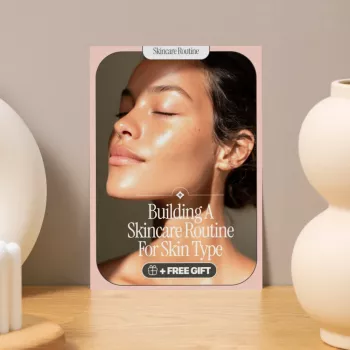
If you like having a structured reference, Ingredient Intelligence: Secrets Behind Skincare (digital guide) organizes ingredient education by concern (acne, fine lines, sun care) and by skin type, with practical notes on sensitivities and layering.
For device-based eye-area care, the IPL Eye Beauty Device with Three-Color Light & Vibration can complement a routine that already prioritizes gentle hydration and daily SPF.
And for an easy physical layer of sun defense outdoors, Calvin Klein Retro Square Sunglasses with Dark Lenses pair well with sunscreen as part of a broader sun-protection strategy.
FAQ
Which skincare ingredients should not be used together?
High-irritation pairings often include stacking multiple exfoliating acids, combining retinoids with strong acids in the same routine, or using benzoyl peroxide alongside certain retinoids without careful scheduling. Some combinations can work when split into AM/PM or alternating nights, but introducing one active at a time makes it easier to spot what’s causing dryness or stinging.
What ingredients help acne without drying the skin out?
Azelaic acid, lower-strength salicylic acid, and niacinamide are common options that can support clearer-looking skin with less dryness when used a few times per week at first. Pair acne actives with barrier-supporting moisturizers (like glycerin and ceramides) and adjust frequency if tightness or peeling appears.
Is mineral sunscreen better for sensitive skin?
Mineral filters like zinc oxide and titanium dioxide are often well-tolerated, but the overall formula (vehicle, fragrance, and texture) matters just as much. Choosing a fragrance-free, broad-spectrum option and patch-testing helps identify what your skin handles best.










Leave a comment