Vet-Recommended Dog Nail Grinder: Key Features to Look For
What dog nail grinder is recommended by vets?
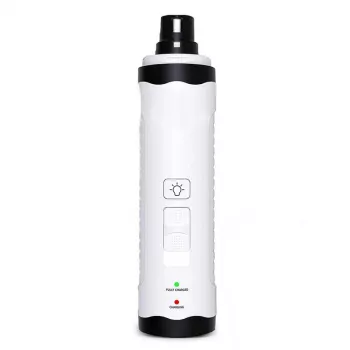
Vets typically recommend a dog nail grinder that’s quiet, low-vibration, and easy to control—because calmer pets and steadier handling reduce the chance of grinding too short. Look for a model with adjustable speeds, a guarded grinding port, and a gentle LED light so the quick is easier to spot, especially on dark nails. Rechargeable (USB) options are also commonly preferred since they’re consistent in power and convenient for regular upkeep.
Rather than a single “one-size-fits-all” brand, many veterinary teams focus on features and safety. A grinder with multiple ports or attachments can help you match the opening to your dog’s nail size, while a diamond drum (instead of a coarse sanding band) tends to file more smoothly and evenly. Low noise is a big deal in practice: dogs who fear loud tools are more likely to jerk suddenly, which can lead to uneven grinding or accidental nicks.
What to look for in a vet-recommended nail grinder
Low noise + low vibration: Helps anxious dogs tolerate trims and keeps your hand stable.
Two speeds or variable control: Slower for finishing and sensitive paws; faster for thick nails.
Safety guard and nail ports: Limits how much nail reaches the grinding surface.
LED light: Improves visibility so you can stop before reaching the quick.
USB rechargeable battery: Reliable power without cord tugging near a wiggly pet.
A practical option that matches what vets look for
If you want a grinder that checks these boxes—quiet operation, safe trimming features, and easy handling—see the detailed guide to a low-noise USB nail grinder for dogs and cats here: https://veritelle.com/guide-low-noise-usb-nail-grinder-dogs-cats-safe-trims/. It breaks down which features matter most for safe, stress-minimized nail care at home.
For best results, grind in short pulses, round the edges (instead of flattening the tip), and take breaks. If your dog has very thick nails, severe anxiety, or a history of bleeding during trims, ask your veterinarian or groomer to demonstrate technique and ideal speed settings for your pet.
FAQ
How often should you grind a dog’s nails?
Most dogs do well with nail grinding every 1–2 weeks. More frequent, shorter sessions can help keep nails smooth and gradually encourage the quick to recede.











Leave a comment