Nissan Headrest Cover Neck Pillow Case: Fit, Care, Safety
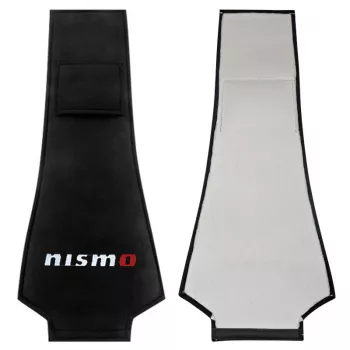
Car Headrest Cover Neck Pillow Case for Nissan: Comfort, Protection, and a Cleaner Cabin
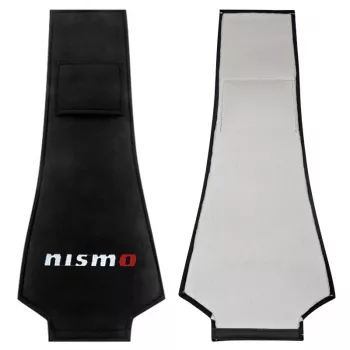
A headrest cover with a built-in neck pillow case can make everyday driving more comfortable while keeping the headrest cleaner and easier to maintain. Designed for Nissan interiors, this style of accessory helps reduce wear from hair oils, sweat, and friction, and adds a soft contact surface for commutes, road trips, and rideshare use.
What This Headrest Cover and Neck Pillow Case Does
- Adds a softer surface against the back of the head and neck during longer drives
- Helps keep factory headrests cleaner by reducing direct contact with skin and hair products
- Minimizes visible wear like fading and scuffing on frequently used seating positions
- Refreshes the look of the cabin without permanent changes or tools
- Works well for daily commuting, family vehicles, and frequent passenger use
If you want an easy way to upgrade the “touch points” you notice most—headrest, neck area, and upper seat feel—this is one of the simplest add-ons to install and remove. For a product made specifically for Nissan drivers, see Car Headrest Cover Neck Pillow Case for Nissan.
Fit and Compatibility for Nissan Headrests
Fit matters more than people expect. A cover that’s too loose can bunch up and feel lumpy, while one that’s too tight may stretch seams or interfere with adjustments. Nissan models can vary widely by trim and seat design, so checking the headrest type and dimensions before ordering saves time.
- Best results come from matching the cover style to the headrest shape (integrated, adjustable, or fixed)
- Confirm whether the headrest has posts (adjustable) or is built into the seatback (integrated); covers typically suit adjustable headrests more easily
- Ensure the cover does not interfere with headrest height adjustment or tilt mechanisms where present
- For rear seats, check headrest size differences; rear headrests are often smaller than front headrests
- If the vehicle has active head restraints, avoid overly thick add-ons that could affect intended movement
Quick Compatibility Checklist
| Check | Why it matters | What to look for |
|---|---|---|
| Headrest type | Determines whether the cover can wrap and stay secure | Adjustable headrest with posts vs. integrated headrest |
| Headrest dimensions | Prevents loose fit or stretching | Approximate height/width/thickness of the headrest |
| Adjustment clearance | Maintains comfort and safety positioning | Cover doesn’t block the post openings or tilt joints |
| Rear-seat fit | Rear headrests may differ from front | Compare rear headrest size before ordering multiples |
Comfort and Support: Setting It Up Correctly
The most comfortable setup supports the upper neck without forcing your head forward. Small changes—moving the pillow area up or down by even an inch—can noticeably change posture and reduce fatigue.
- Position the pillow area so it supports the upper neck without pushing the head forward
- Adjust headrest height so the top of the headrest sits near the top of the head for proper support
- Keep the neck contact gentle; firm pressure may cause fatigue over longer drives
- For passengers, fine-tune placement after seatback angle adjustments
- If using with a separate travel pillow, avoid stacking too many layers behind the head
A practical test: sit normally with shoulders relaxed, then check whether your head can rest back naturally without your chin tipping down. If the pillow feels like it’s “nudging” your head forward, lower it slightly or reduce thickness by removing extra layers behind the cover.
Materials, Feel, and Interior Match
A headrest cover is constantly in contact with hair, skin, and seasonal clothing (hoodies in winter, bare necks in summer). Material choice determines whether it stays comfortable and looks good over time.
- Choose a fabric that stays comfortable across seasons (breathable in heat, not scratchy in cold)
- Look for stitching and edge finishing that resists fraying with frequent entry/exit
- Select a color and texture that complements Nissan seat materials (cloth, leather, or leatherette)
- If the cabin is used by kids or pets, prioritize easy-clean surfaces and darker tones to hide marks
- Avoid materials that shed lint onto dark upholstery
Cleaning, Care, and Keeping the Fit Tight
Simple Care Guide
| Task | How often | Tip |
|---|---|---|
| Quick dust/crumb removal | Weekly | Use a lint roller or vacuum brush attachment |
| Spot cleaning | As needed | Blot first; avoid aggressive scrubbing on textured fabric |
| Full wash (if allowed) | Every 3–6 weeks | Air dry when possible to preserve elasticity |
| Fit check | After cleaning | Recenter the cover so the pillow area sits at neck level |
Safety Notes for Head Restraints
For additional background on head restraint purpose and positioning, review guidance from IIHS — Head Restraints and general safety information from NHTSA.
When This Accessory Makes the Biggest Difference
For a quick refresh beyond the car, a washable cover can also help protect high-contact surfaces at home. If you like the idea of keeping fabrics cleaner with removable protection, consider the Bohemia Plush Velvet Sofa Cover as another easy-to-maintain layer.
Featured In-Stock Picks
- Car Headrest Cover Neck Pillow Case for Nissan — a practical comfort-and-cleanliness upgrade for daily driving.
- Bohemia Plush Velvet Sofa Cover — a simple way to protect and refresh frequently used seating at home.
FAQ
Will a headrest cover affect how the head restraint works?
It should not if it’s thin, secure, and doesn’t block adjustment. Keep the head restraint positioned correctly and avoid bulky add-ons that change head position or restrict movement.
How can the correct headrest height be checked after installing a cover?
Adjust so the top of the head restraint is near the top of the head and the restraint sits close behind the head. Recheck after changing seatback angle or driver/passenger position.
Is it safe to use this with seat-mounted side airbags?
Avoid covers that wrap around the seatback where side airbags deploy. Choose a headrest-only cover and ensure it doesn’t interfere with any airbag seams or labels.









Leave a comment