Leather vs Genuine Leather: Which Is Better?
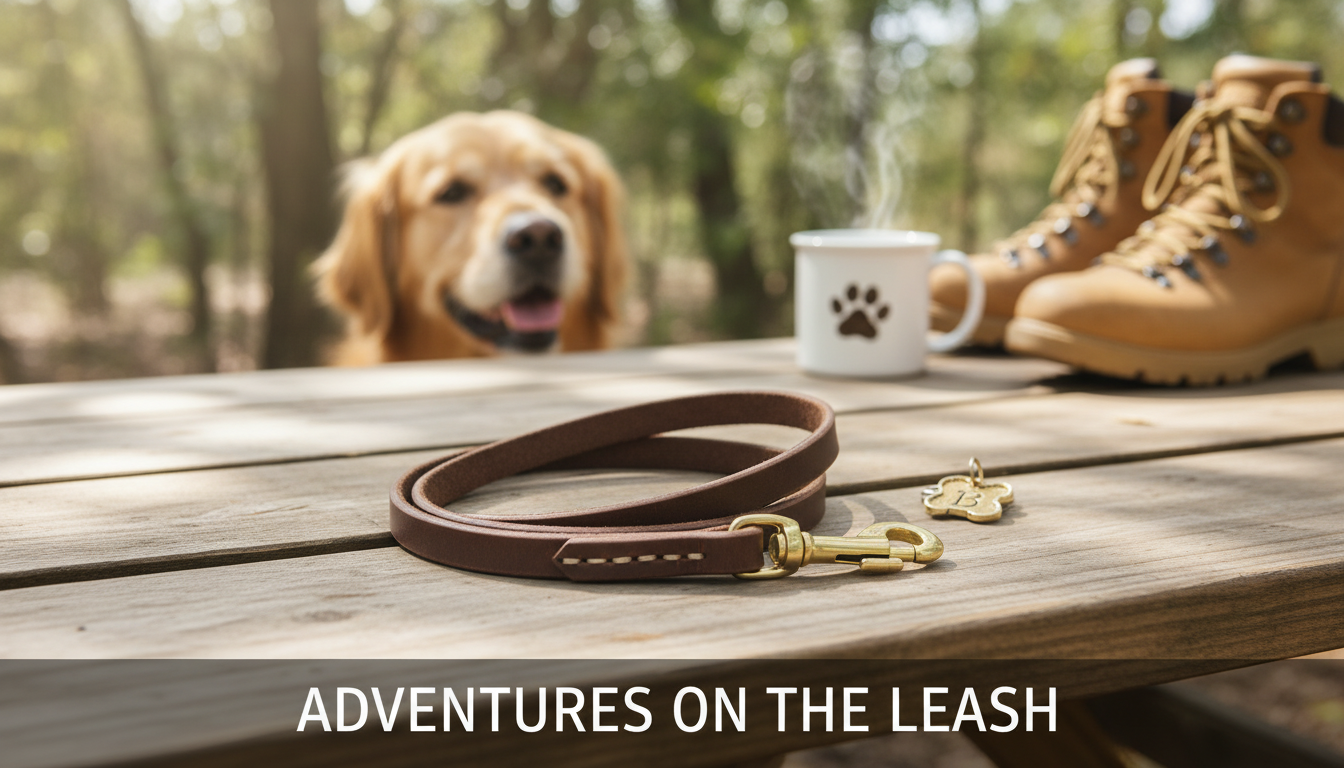
Which is better, leather or genuine leather?
“Leather” is a broad term, while “genuine leather” is a specific label that can describe a wide range of quality. If you’re choosing between the two on a product tag alone, “leather” isn’t automatically better—but “genuine leather” also isn’t a guarantee of top-tier durability or feel. The better choice comes down to what type of leather you’re actually getting and how it’s made.
What “leather” usually means
When a listing simply says “leather,” it may be full-grain, top-grain, split leather, or a blend of leather layers. Higher-end options like full-grain and top-grain tend to be stronger, age more attractively, and resist cracking better over time because they retain more of the hide’s natural structure. These leathers often feel richer, develop patina, and handle repeated bending and pulling well.
What “genuine leather” really indicates
“Genuine leather” generally means the material is real leather (not faux), but it doesn’t specify the grade. In many everyday products, “genuine leather” can refer to split leather or reconstituted layers that are finished with coatings to look uniform. This can be perfectly acceptable for light-to-moderate use, but it may not last as long under heavy abrasion, moisture, or frequent flexing.
How to decide what’s better for your needs
If long-term performance is the priority—especially for items that see tension, friction, or outdoor exposure—look for details like “full-grain” or “top-grain,” plus solid stitching and reliable hardware. If the item is more occasional-use or budget-focused, genuine leather can still be a solid pick, as long as you’re comfortable with a potentially shorter lifespan.
For a practical breakdown of what “genuine leather” means, how it behaves in real use, and what to look for in leather gear, visit this genuine leather guide.
FAQ
How can you tell if leather is good quality?
Look for labels such as full-grain or top-grain, a natural (not overly plastic) feel, consistent but not perfectly uniform texture, and clean stitching with sturdy hardware. Higher-quality leather also tends to age better, developing patina rather than peeling or cracking.







Leave a comment