Wooden Plates for Babies: Safe, Practical, and Easy to Clean?
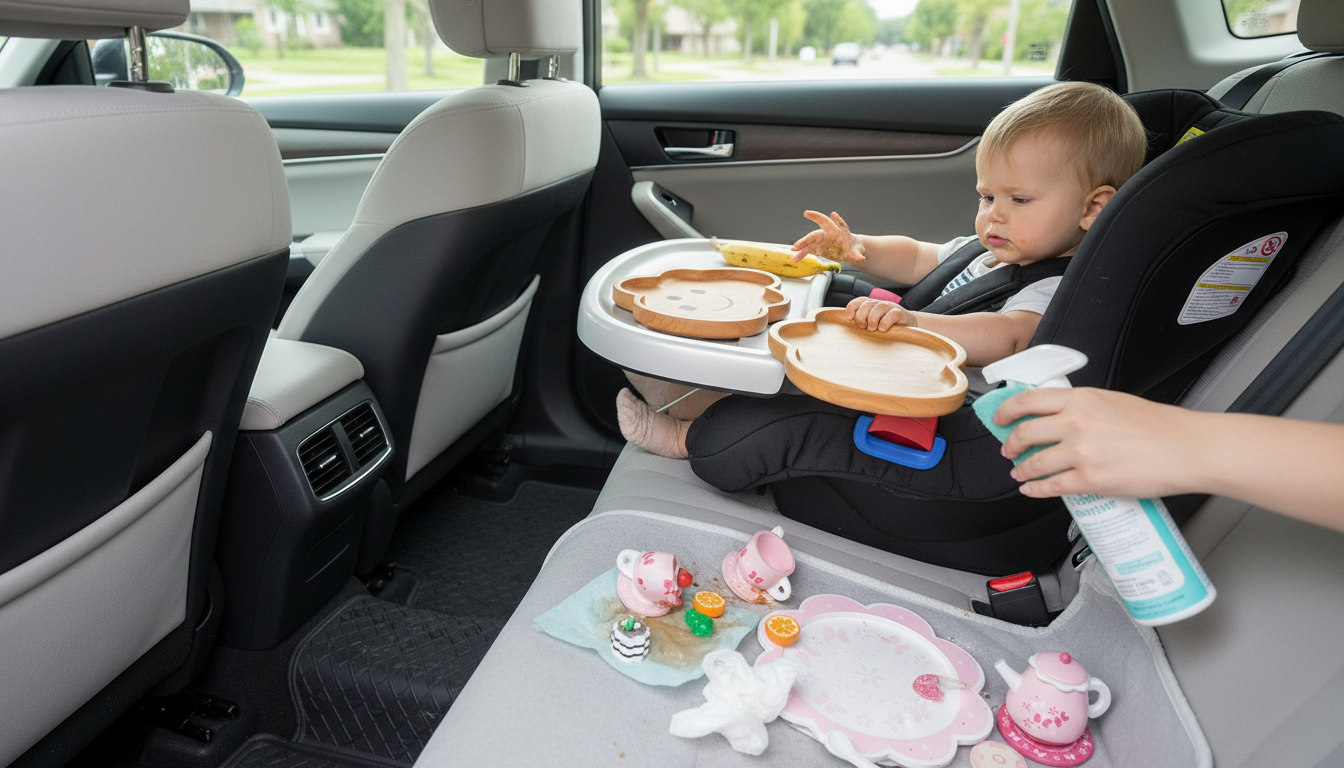
Are wooden plates good for babies?
Wooden plates can be a good choice for babies and toddlers when they’re made from baby-safe materials and used appropriately. Many parents like wood because it feels sturdy, looks nice, and tends to be quieter than metal. It can also be less likely to shatter than ceramic if it gets dropped during early self-feeding.
Why some families choose wooden plates
Wooden plates are often lightweight and easy for small hands to manage. They can also help create a warm, inviting mealtime setup that encourages practice with independent eating. For families who want tableware that feels less “babyish,” wood can transition well from baby to toddler years.
What to watch for: safety and coatings
Not all wooden plates are equally baby-friendly. The most important factors are how the plate is finished and how it’s maintained. Look for plates that are clearly labeled as food-safe and finished with non-toxic coatings (or untreated and designed for food use). Avoid anything with unknown paints, strong odors, or flaking finishes, since babies explore with their mouths and may chew on edges.
Hygiene and care considerations
Wood is porous, so care matters. Hand-washing with mild soap, drying promptly, and avoiding long soaks helps reduce odor and moisture buildup. Wooden plates generally aren’t ideal for dishwashers or prolonged exposure to hot water, which can warp the wood or break down the finish. If the surface becomes rough, deeply scratched, or cracked, it’s best to replace it to prevent bacteria from settling into crevices.
Practical tip: pair with baby-led feeding habits
If your baby is learning to self-feed, choose a size with a stable base and a rim that helps keep food from sliding off. For more ideas on baby-friendly wooden tableware and how it fits into early mealtime routines, see the full guide here: https://veritelle.com/guide-baby-wooden-tableware-toy-set-pretend-mealtime-play/.
FAQ
How do you clean wooden baby plates?
Hand-wash with mild soap, rinse, and dry right away. Avoid soaking and skip the dishwasher to help prevent warping, cracking, and finish damage.







Leave a comment