Women’s Fitted Gym T-Shirt Guide: Fit, Fabric & Care
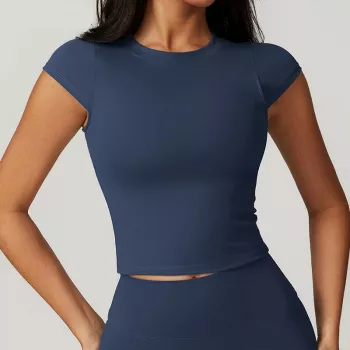
Women’s Fitted Gym T-Shirt: Sculpted Comfort for Training Days
A fitted gym tee should move with the body, handle sweat without feeling heavy, and keep its shape through repeats, reps, and wash cycles. The goal is a streamlined feel that supports training—not a shirt you have to tug, adjust, or “work around” once your heart rate climbs. Below is what to look for in a women’s fitted gym T-shirt—fit, fabric performance, sizing, and care—so it stays comfortable from warm-up to cooldown.
What “Fitted” Should Feel Like (Not Restrictive)
A true fitted cut follows the shoulders, chest, and waist without pulling at the seams when you lift your arms overhead. If the shirt fights you during presses, pull-ups, or even a big stretch, it’s not performance-fitted—it’s simply too small.
Start at the top: a neckline should stay flat during movement and not gape when bending, rowing, or hinging. Sleeves should sit smoothly around the upper arm; too tight can pinch and distract, while too loose can bunch under sports-bra straps or backpack straps on the way to the gym.
Down the torso, the hem should stay put during squats and stretches. Many athletes prefer a slightly longer length for coverage—especially for deadlifts, hip hinges, and anything that puts you in a forward fold. A flattering fit is about mobility first; comfort and range of motion are the baseline that everything else builds on.
Fabric & Performance Features That Matter in the Gym
Fit is only half the equation—fabric decides how the shirt feels once you start sweating. A good training tee prioritizes moisture control, breathability, and stretch recovery so it keeps its shape session after session.
- Moisture control: Fabrics that move sweat off the skin help reduce that clingy, heavy feeling mid-set.
- Breathability: Lightweight knits and ventilation-friendly weaves can feel cooler during intervals and warm studios.
- Stretch and recovery: A bit of elastane/spandex helps with flexibility; “recovery” helps the tee return to shape after wear.
- Softness vs. durability: A soft handfeel is great, but knit density, secure hems, and quality stitching keep the shirt going strong.
- Chafe reduction: Smooth seams and a clean finish around underarms and side panels can noticeably improve comfort in longer sessions.
For general athletic-clothing guidance and safe training basics, reputable references like ACSM and Mayo Clinic are helpful starting points.
Fit Check by Workout Type
Strength Training
Prioritize shoulder mobility for presses and pulling movements. A fitted torso can reduce fabric catching on benches, barbells, or cable equipment—especially during rows and lat pulldowns.
HIIT and Cardio
Sweat management and quick-dry comfort become more noticeable as intensity rises. A secure hem reduces ride-up during sprints, burpees, and jumping movements.
Yoga and Pilates
Stretch and a non-rolling hem help during inversions and deep folds. Here, softness matters more than you’d expect—anything scratchy or bulky becomes obvious on the mat.
Outdoor Training
Consider layering. Fitted tees slide under hoodies or jackets without bunching, which is useful for changing temps and windy routes.
Sizing & Measuring Without Guesswork
To dial in sizing, use a tee that already fits well as a reference. Compare shoulder width, chest, and length to the size guide when available. This simple comparison often prevents the “it looked right online” issue.
Quick Fit Checklist for a Fitted Gym Tee
| Area | Good Sign | Red Flag |
|---|---|---|
| Shoulders | Seams sit near the shoulder edge; arms raise easily | Pulling across upper back; neckline shifts |
| Chest | Lies smooth without flattening or gaping | Horizontal strain lines; fabric rides upward |
| Waist/Torso | Contoured but comfortable; twists without restriction | Pinching at sides; constant adjusting |
| Sleeves | Secure without digging in | Numbness/pressure marks; bunching under straps |
| Length/Hem | Stays in place during squats and hinges | Rolls up or exposes midriff unintentionally |
Care Tips to Keep the Fit and Feel
Style Notes: From Gym Set to Everyday
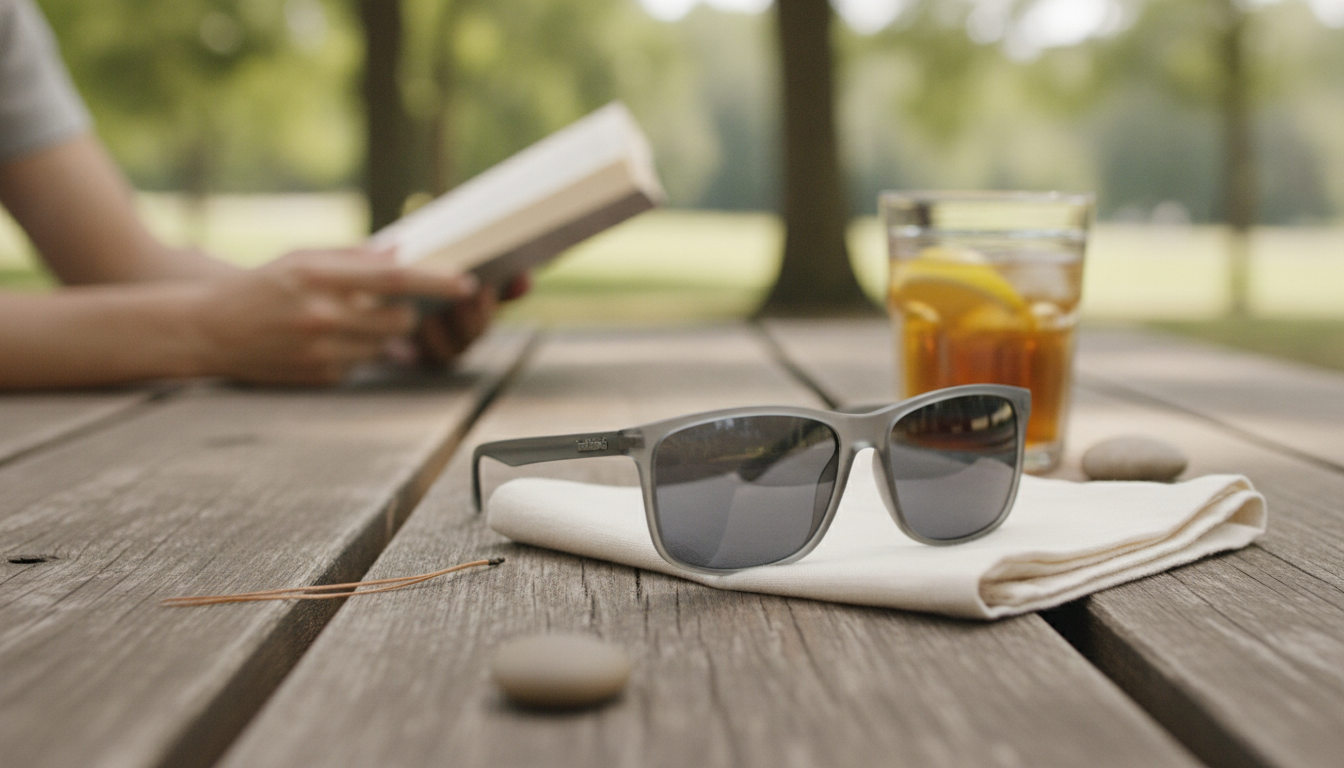
For a casual look, match with joggers and minimalist trainers; fitted tees balance relaxed bottoms well. If you like a polished athleisure finish, accessories can do a lot with very little effort—frames like Calvin Klein Retro Square Sunglasses with Dark Lenses can turn a post-workout coffee run into a pulled-together outfit fast.
Featured Picks In Stock
Women’s Fitted Gym T-Shirt
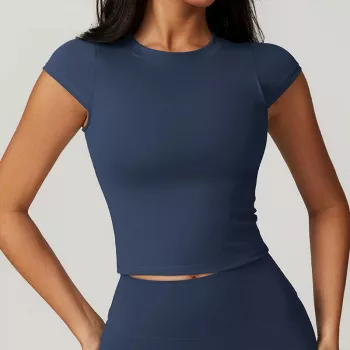
For a streamlined training layer designed for regular workouts, see the Women’s Fitted Gym T-Shirt. A fitted silhouette helps reduce excess fabric during lifts and cardio sessions, and it layers smoothly under jackets or hoodies for cooler weather.
Calvin Klein Retro Square Sunglasses with Dark Lenses
For outdoor sessions, walks, or everyday athleisure styling, Calvin Klein Retro Square Sunglasses with Dark Lenses are an easy add-on that pairs well with fitted tops and relaxed bottoms.
IPL Eye Beauty Device with Three-Color Light & Vibration
For a simple self-care routine after training days, the IPL Eye Beauty Device with Three-Color Light & Vibration fits neatly into an at-home reset—especially on weeks when workouts and screens both add up.
FAQ
Should a fitted gym T-shirt be tight or just shaped?
Fitted should mean contoured without restricting movement. Do quick mobility checks—raise arms overhead, twist side to side, and hit a deep squat; if seams pull, the shirt rides up, or you feel pressure points, it’s too tight.
How can a gym T-shirt help with sweat and odor?
Moisture-moving, breathable fabrics help sweat evaporate faster instead of sitting on the skin. Washing soon after workouts and avoiding heavy fabric softeners also helps reduce odor buildup and keeps performance finishes working as intended.
What’s the best way to stop a fitted tee from riding up during workouts?
Start with the right torso length and size—too small often rides up first. Test the hem with squats and hip hinges, and consider pairing with high-waisted leggings for extra stability during dynamic movements.








Leave a comment