Camp Gas Stove Guide: Heat + Roast in One Compact Setup
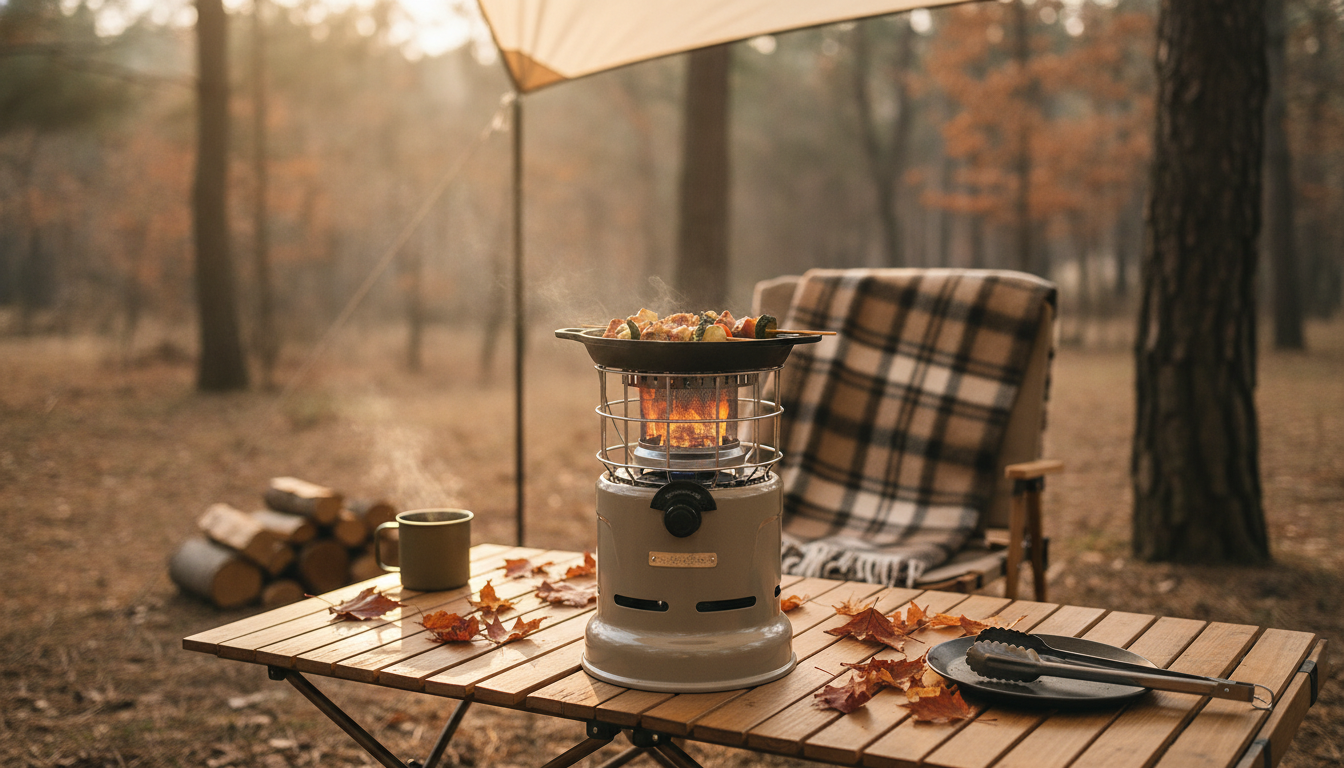
Portable Multi-function Outdoor Gas Stove with Heating and Roasting Capabilities
A compact gas stove that can cook, warm, and roast streamlines camp meals when space, time, and temperatures are working against you. A multi-function design can replace several single-purpose items, helping keep your kit lighter and your setup faster—without giving up the control needed for real cooking. Below are practical ways to use a heating-and-roasting capable stove, what to look for in everyday handling, and the safety habits that keep outdoor meals reliable.
What “heating and roasting” adds to a standard camp stove
Most camp stoves focus on boiling and pan cooking. Adding heating support and roasting capability broadens what you can do at a single cooking station.
- Heating support can help take the edge off chilly mornings or keep hands warm while food simmers nearby (only with proper ventilation and safe clearances).
- Roasting capability expands beyond pots and pans, making it easier to prepare skewers, toast bread, or roast small items without hauling a full grill setup.
- One setup, fewer pieces reduces gear volume for car camping, tailgates, fishing trips, and basecamp-style outings where convenience matters.
Best use cases for a multi-function outdoor gas stove
Multi-function stoves shine when you want flexibility but still need consistent results—especially when weather or timing is tight.
- Cold-weather camp cooking: quick boil for drinks, steady heat for soups, and simple roasting for snacks.
- Group meals at a fixed campsite: a stable station for heating water, cooking mains, and warming side dishes.
- Tailgating and picnics: fast setup, controlled flame, and the ability to toast or roast without a bulky grill.
- Emergency readiness: heating water and simple food prep during outages (only in well-ventilated, safe areas and never in enclosed spaces).
| Mode | Great for | Tips for better results |
|---|---|---|
| Boil/Simmer | Tea, coffee, instant meals, soups | Use a lid; reduce flame once boiling to save fuel |
| Pan cooking | Eggs, pancakes, stir-fry | Preheat briefly; keep food moving to avoid hot spots |
| Roasting/Toasting | Skewers, toasted bread, simple roasts | Rotate food often; keep a safe distance from open flame |
| Warming/Heating nearby | Keeping food warm, taking the chill off hands | Maintain clearance; avoid fabrics and enclosed areas |
Key features to evaluate before buying
Small design differences make a big impact outdoors. Focus on features that reduce fuss, prevent tipping, and keep heat predictable in changing conditions.
- Stability and pot support: a wide stance and secure supports help prevent tipping when using heavier cookware or stirring vigorously.
- Flame control: smooth adjustment matters for delicate simmering (oatmeal, sauces) as much as it does for fast boiling.
- Wind performance: look for practical shielding or choose a sheltered cooking position; avoid fully enclosing the burner where heat can build up.
- Ignition and ease of use: built-in ignition is convenient, but a backup lighter or matches should still be part of the kit.
- Packability: folding parts and a protective carry solution help keep soot contained and prevent knob or support damage in transit.
Fuel, setup, and efficient operation
Efficient camp cooking is mostly about setup discipline: correct fuel, stable placement, and smart heat management.
- Match the fuel type: use the canister style recommended by the stove maker and confirm connections are secure before lighting.
- Choose the right surface: set up on a flat, nonflammable base and clear away dry grass, leaves, paper towels, and loose gear.
- Cook efficiently: start high to reach a boil, then dial down to maintain it; use a lid and cook out of direct wind whenever possible.
- Cold conditions: keep fuel canisters within safe temperature limits and follow manufacturer guidance to avoid pressure-related problems.
Safety essentials for heating and roasting
Multi-function capability is useful, but it requires extra attention around airflow and flammable materials.
- Never use a gas stove as a space heater inside tents, vehicles, or enclosed shelters. Carbon monoxide can build quickly; review the CDC carbon monoxide safety guidance for core risks and symptoms.
- Maintain clearance: keep open space above and around the flame and keep sleeves, towels, and packaging away from the burner area.
- Roasting safety: use long skewers or tongs, keep hands out of the flame path, and avoid fatty drips that can flare.
- Shut down correctly: turn off at the stove control, allow everything to cool fully, and store fuel away from heat sources.
For general open-flame habits—especially when cooking near groups—NFPA’s grilling safety guidance is a helpful baseline for clearance and attentiveness.
Care, cleaning, and storage
Basic maintenance keeps ignition consistent and helps the stove pack away cleanly trip after trip.
A solid option to consider
If you want one compact station that covers boiling, pan cooking, and quick roasting without a separate grill setup, consider the Portable Multi-function Outdoor Gas Stove with Heating and Roasting Capabilities. It’s well-suited to basecamp and car-camping style trips where flexibility is just as important as pack size.
For long, bright days outside—tailgates, fishing trips, and beachside picnics—eye comfort also matters. A simple add-on that pairs well with outdoor cooking days is the Calvin Klein Retro Square Sunglasses with Dark Lenses.
FAQ
Can a portable gas stove be used to heat a tent or enclosed shelter?
No. Using a gas stove in enclosed spaces can cause deadly carbon monoxide buildup and increases fire risk; only use stoves outdoors or in properly ventilated, manufacturer-approved conditions.
What cookware works best on a compact outdoor gas stove?
Stable, flat-bottom pots and pans that fit the stove’s supports work best. Avoid oversized cookware that can tip, and use lids whenever possible to improve efficiency and reduce fuel use.
How can roasting be done safely over a gas stove flame?
Use long skewers or tongs, rotate food frequently for even browning, and manage drips to prevent flare-ups. Maintain clearances around the flame and never leave roasting unattended.






Leave a comment