-
Shop
- Adidas
- Advanced Technologies
- Armani
- Bags
- Best-Sellers
- Birkenstock
- Boss
- Calvin Klein
- Car Accessories
- Crocs
- Dating & Social Skills
- Digital Resources
- Budgeting & Saving
- Emotional Intelligence
- Entrepreneurship & Business Growth
- Financial Independence
- Financial Mindset & Psychology
- Goal Setting
- Leadership
- Mindfulness
- Motivation
- Positive Thinking
- Productivity
- Self Confidence
- Sleep Improvement
- Stress Management & Relaxation
- Yoga & Mind-Body Practices
- Dr. Martens
- Drones
- Education & Learning
- Family & Parenting
- Fashion
- Fashion Accessories
- Financial Education
- Furniture
- Gadgets
- Health & Beauty
- Health & Wellness
- Home & Garden
- Home Decor
- Home Supplies
- Kids & Babies
- Lighting
- Massagers
- Mindset
- New Balance
- Nike
- Patio, Lawn & Garden
- Personal Growth
- Pet Care
- Pet Supplies
- Pets
- Shoes
- Sport & Outdoors
- Summer 2025 Fashion Collection
- Sunglasses
- Super Deals
- Timberland
- Tommy Hilfiger
- Travel
- Vans
- Wealth
- Winter Fashion
- Women’s Wellness & Lifestyle
- YouTube Shorts Best-Sellers
A Grocery Budget Checklist From Meal Plan to Checkout
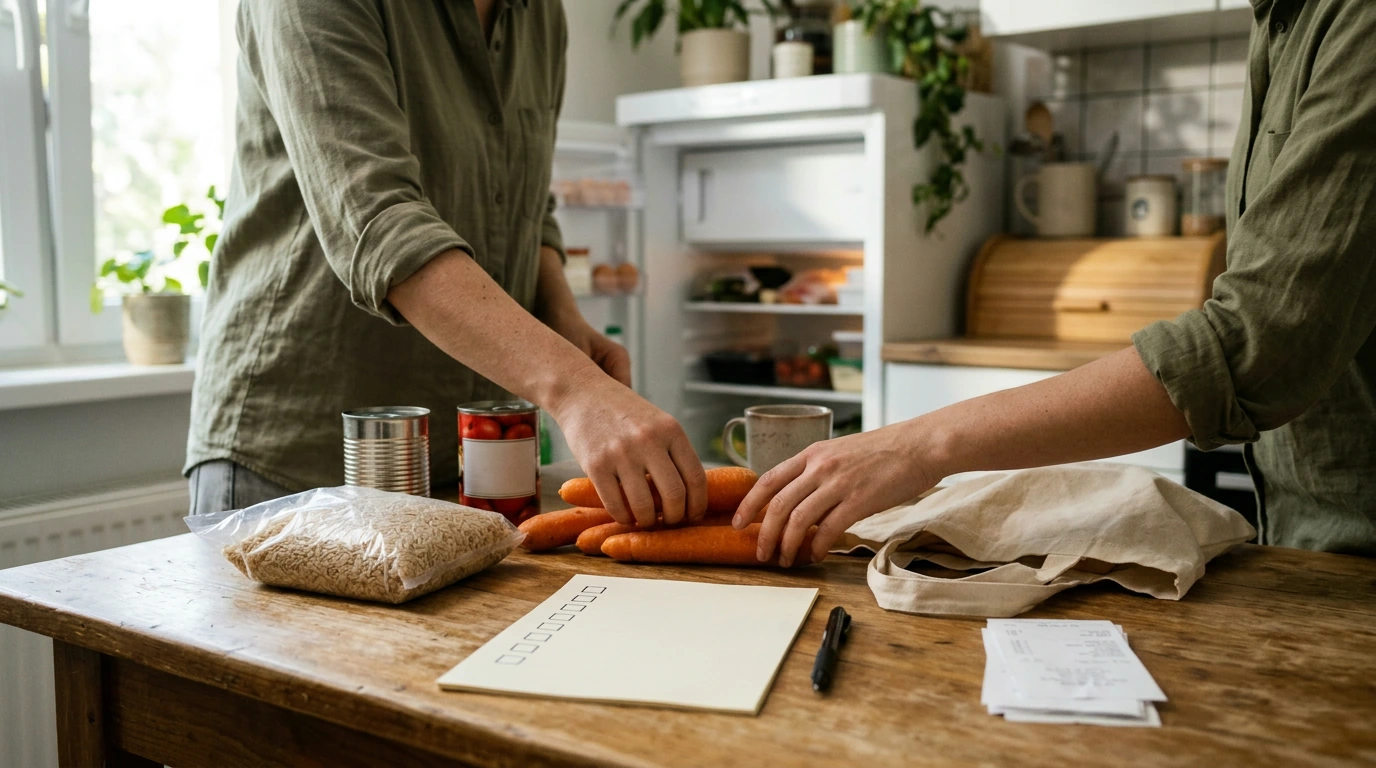
A grocery budget works best when you can use it from meal planning through checkout—not just as a number you hope to stay under. Start with a spending limit, look at what you already own, and give each item on your list a purpose. Our Ultimate Grocery Budget Checklist is a $4.99 digital download that can help you keep those steps together as you shop.
Start with a realistic grocery number
Choose a weekly or monthly grocery limit that fits alongside rent, utilities, transportation, and other household expenses. If you have recent receipts, total a few typical trips before setting your target. That gives you a more useful starting point than a guess, especially if you are feeding several people or buying most meals to eat at home.
Think about the week ahead, too. Guests, school breaks, or a stretch of meals at home may call for a different amount than usual. If you budget by the month, divide the total into weekly amounts you can use while making each list. Leave a small portion unassigned for a price increase or a forgotten staple. Consumer.gov’s guide to making a budget offers a straightforward framework for comparing planned spending with what you actually spend.
Check the kitchen before planning meals
Before choosing recipes, look through the refrigerator, freezer, and pantry. Note produce and other perishables that need to be used soon, along with staples you have enough of already. This quick check can keep a duplicate purchase off the list and turn a partly used ingredient into the starting point for dinner.
Build a few meals around what is on hand, then look for overlapping ingredients. If you buy a bunch of carrots for one meal, for example, plan where the rest will go. You do not need a different, ingredient-heavy recipe every night. A few planned meals, familiar backups, and room to rearrange them can be easier to follow when the week changes.
Include breakfasts, lunches, snacks, and household essentials when you review the week. A dinner-only plan may look affordable until those other needs reach the cart. For ideas on shopping across food groups while watching cost, see MyPlate’s Shop Simple tool.
Turn the plan into a shopping list
Write down the ingredients your meals require only after checking your supplies. Add quantities where they matter, then group items by store section. Mark must-haves separately from items you could postpone. If your estimated total is too high, change a meal, reduce a quantity, or use more of what you have before you shop.
| Step | Question to ask | Practical action |
|---|---|---|
| Set the limit | How much can this trip cost? | Write down a total before making the list. |
| Shop at home | What do I already have? | Use available ingredients in the meal plan. |
| Prioritize | Which items are essential? | Mark necessities before optional purchases. |
| Review | Will the list fit the limit? | Swap or remove items before checkout. |
Our Ultimate Grocery Budget Checklist is a companion to this routine, not another expense to tuck into every grocery trip. If you choose to buy the $4.99 download, account for that one-time purchase separately from the food you need this week.
Compare prices without losing sight of the plan
At the store, compare unit prices when package sizes differ. A larger package may cost less per ounce, but it is only the better choice if you can use or store it. Store brands, seasonal produce, and less expensive forms of an ingredient may also work for the meals you planned. Decide based on the quantity you need and the total in your cart, not just the most noticeable sale tag.
A promotion helps your budget when it lowers the cost of something you were going to buy. An extra item bought because it is discounted still adds to the bill. Keep non-grocery purchases in their own spending category as well. For instance, if you are considering our Cozy Cartoon Cat Cave Bed for Kittens, make that a separate household purchase rather than letting it quietly use the money reserved for meals.
Keep the budget useful after checkout
Compare your receipt with the amount you planned. Look for categories that cost more than expected and items that were not on your list. One trip over budget is information, not a reason to abandon the routine. It may show that your target needs adjusting, or that a meal or optional purchase needs to change next time.
Once home, put perishables where you will see them and decide when leftovers will be eaten. Food that goes unused can make a seemingly inexpensive trip costly. Before making the next list, check what remains, note the prices you paid, and keep the meals your household enjoyed. A short review after each trip can make the next plan more accurate without turning grocery shopping into a complicated project.
FAQ
How do I set a grocery budget if prices change each week?
Start with recent spending, choose an affordable target, and leave a small buffer. Review your receipts and adjust the plan or target as needed.
Is meal planning necessary to stay within a grocery budget?
You do not need a full schedule. Planning a few meals and listing what they require can help you avoid duplicate purchases and last-minute trips.
What should I do when my grocery list costs more than my budget?
Keep essentials first, see what you can make with ingredients at home, and swap or postpone flexible items before shopping.
Recommended for you

Was this article helpful?
Yes
No








Leave a comment