Silicone Baby Food Feeders: Safety, Cleaning & When to Replace
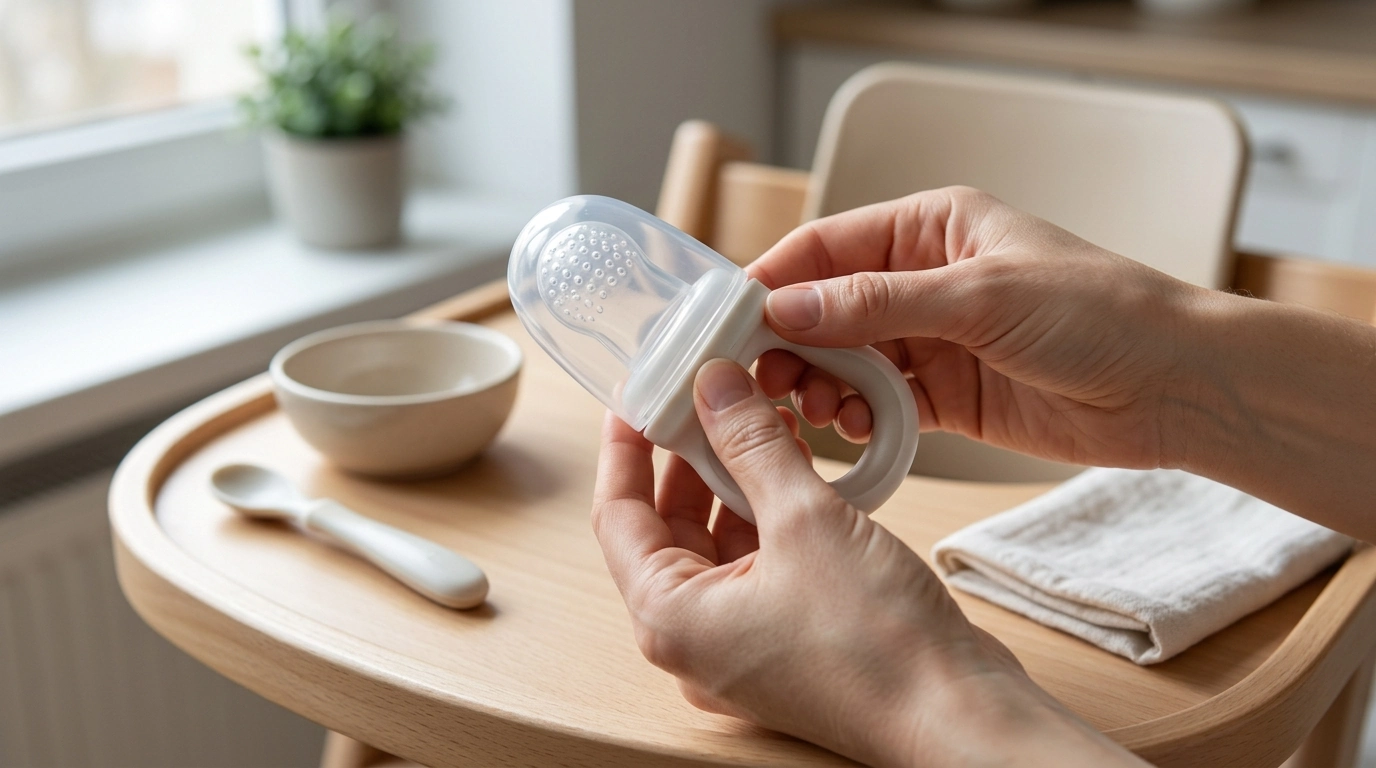
Are silicone baby food feeders safe?
Silicone baby food feeders are generally safe when they’re made from high-quality, food-grade silicone and used as directed. Food-grade silicone is non-porous, doesn’t absorb odors or flavors easily, and can handle common cleaning methods like boiling or dishwasher cycles, which helps parents keep feeders sanitary.
What makes a silicone feeder “safe”?
Safety starts with materials and manufacturing. Look for food-grade silicone and clear labeling such as BPA-free (and ideally free from other common plastics-related chemicals like BPS and phthalates). A safe feeder should also feel sturdy, with a well-fitted lid or cap and no flimsy parts that could tear during chewing.
Design matters too: ventilation holes or a perforated pouch should be sized to reduce the chance that large chunks break through. A secure handle that’s easy for babies to grip can also lower the risk of dropping and contamination.
How to use silicone feeders safely
Always inspect the feeder before each use. If you see tears, thinning, sticky residue that won’t wash off, or discoloration, replace it. Use age-appropriate foods and sizes (soft fruit, steamed vegetables, or thawed breastmilk cubes), and avoid hard, sharp, or chunky pieces that could push through openings.
Clean thoroughly after every use and dry completely to prevent moisture buildup. For a deeper dive into choosing and caring for silicone feeding items, see the guide here: cleaner baby-led weaning BPA-free silicone feeding set.
When to avoid or replace a silicone feeder
Skip any product with a strong chemical smell, unclear material labeling, or poor-fit parts. Retire feeders that have bite marks, cracks, or a loose closure. Even food-grade silicone can wear over time, and worn surfaces are harder to keep perfectly clean.
FAQ
How do you clean a silicone baby feeder?
Wash it promptly with hot, soapy water and use a small brush to reach perforations and seams. If the manufacturer allows, sanitize by boiling briefly or running it through the dishwasher, then let it dry fully.









Leave a comment