Hybrid Hi‑Res IEMs: Alloy Shell + Detachable Cable
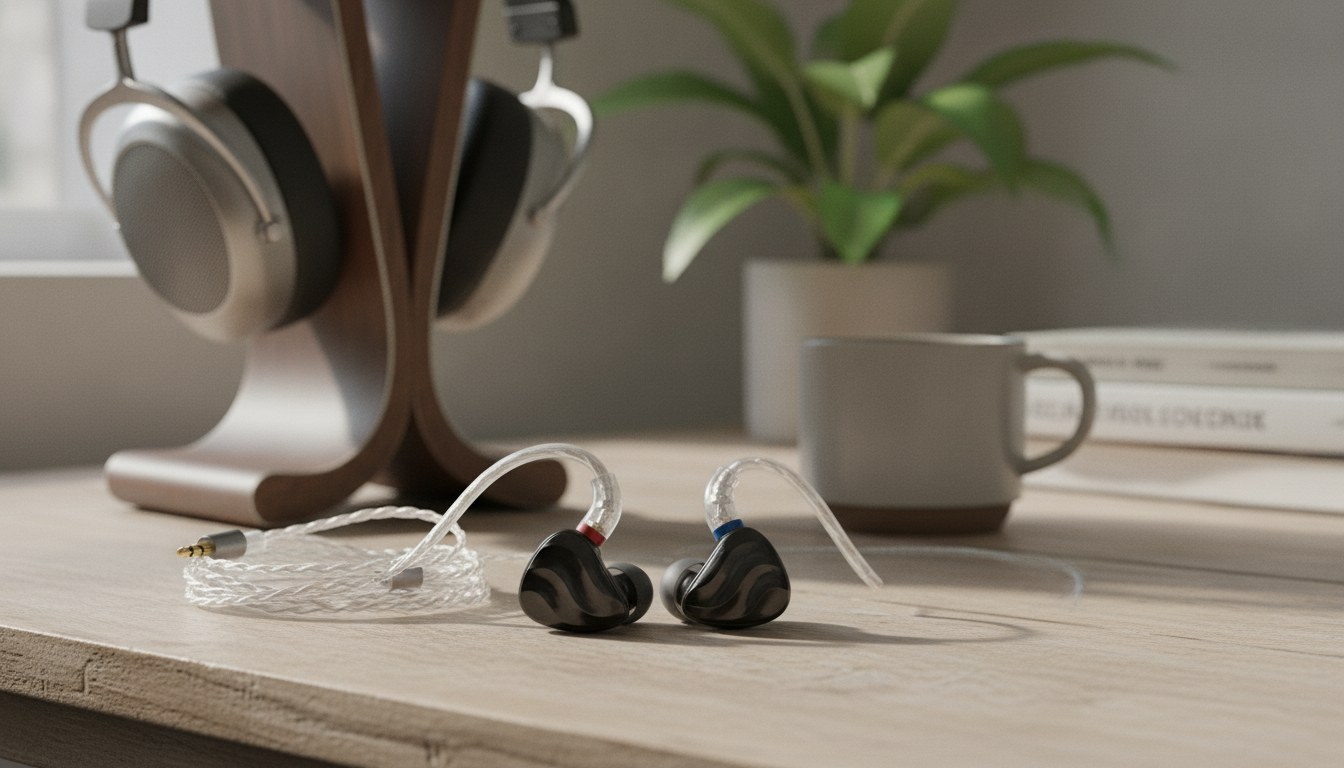
Hi-Res Hybrid In-Ear Earphones with Detachable Cable and Alloy Shell
Built for listeners who want detail, punch, and durability in a compact form, hybrid in-ear earphones pair multiple driver types with a sturdy housing and a practical, detachable cable. The goal is straightforward: keep your everyday setup portable for commutes, desk listening, and travel, while making the parts that fail most often (the cable) easy to replace. Add a rigid alloy shell, and you get a design that’s meant to stay consistent over time—both physically and sonically.
What makes a hybrid in-ear design different
Hybrid in-ear monitors (IEMs) use more than one driver type to cover different parts of the frequency range. Instead of asking a single driver to handle everything, a hybrid setup divides the work so the sound can feel both energetic and controlled.
- Hybrid driver setups blend different driver types to balance clarity, speed, and low-end impact.
- A typical goal is crisp upper detail for vocals and cymbals while keeping bass weight without bloating the midrange.
- Works well for mixed libraries: acoustic, pop, electronic, and gaming where positional cues matter.
In practice, this often translates to cleaner separation when a track gets busy—kick drum hits, layered synths, and backing vocals can remain easier to pick out without needing to crank the volume.
Alloy shell: durability and acoustic stability
The shell material isn’t just about looks. A rigid alloy housing can help earphones feel more solid day to day, especially if you toss them into a bag, a pocket case, or a desk drawer between meetings.
- Alloy housings help resist daily wear and reduce creaks compared with many plastics.
- A more rigid shell can limit unwanted resonance, supporting cleaner perceived separation at higher volumes.
- Better heat tolerance and long-term fit consistency for users who carry earphones in a bag or pocket case.
If you tend to listen on the go, a stable shell also helps the earphones keep their fit and seal more reliably—one of the biggest factors in consistent bass and overall tonal balance.
Detachable cable: repairable, upgradeable, and travel-friendly
Cables are a common wear point, especially near the plug, where the wire bends repeatedly in pockets and during device changes. A detachable cable design addresses that reality by letting you replace just the cable instead of the entire earphone.
- Detachable cables reduce the most common failure point: cable wear near the plug or earpiece.
- Easy swap to different lengths, microphone/remote options, or balanced/adapter-ready cables depending on the source device.
- Simplifies packing: detach for storage to reduce tangles and strain on connectors.
| Need | What detachable cables help with | Best practice |
|---|---|---|
| Longevity | Replace only the cable instead of the whole earphone | Keep a spare cable for travel |
| Device switching | Use mic cable for calls or a simpler cable for music | Label cables by use-case |
| Fit and comfort | Try different cable materials or earhooks | Check connector fit before daily use |
| Portability | Less tangling and reduced strain during storage | Detach before stuffing into pockets |
Sound profile and listening uses
While every IEM tuning is different, hybrid designs are often chosen for an “all-rounder” presentation: articulate detail up top, clean mids for vocals, and bass that hits with definition rather than haze.
For daily listening, good isolation can make a bigger difference than raw volume. Hearing-health guidance from the NIDCD is a helpful reminder that turning down is easier when your earphones seal well and block more outside noise.
Comfort, isolation, and getting the seal right
If you’re using a phone or a laptop, small adjustments (tip size, insertion depth, and over-ear routing) usually create bigger improvements than aggressive EQ. For wireless listening context and audio feature basics, the Bluetooth SIG’s audio overview is a useful reference point when comparing wired IEMs to everyday Bluetooth solutions.
Quick spec checklist before buying
| Item to check | Why it matters | What to look for |
|---|---|---|
| Detachable connector | Compatibility and long-term support | Secure fit; widely available replacement cables |
| Shell material | Durability and resonance control | Alloy/metal housing; smooth edges |
| Fit geometry | Comfort and stability | Nozzle angle that seals without pressure points |
| Accessories | Value and setup flexibility | Multiple tip sizes; case or pouch |
Care and maintenance for longer lifespan
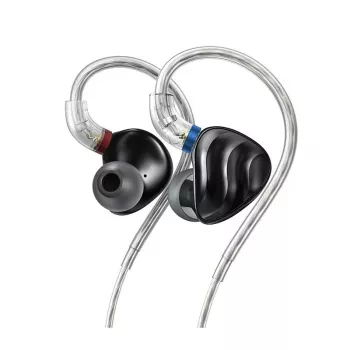
Product spotlight: Hi-Res Hybrid In-Ear Earphones with Detachable Cable and Alloy Shell
If the goal is a durable daily pair with practical repairability, Hi-Res Hybrid In-Ear Earphones with Detachable Cable and Alloy Shell are built around the right fundamentals: a rigid alloy shell for stability and a detachable cable for easy replacement or customization.
Also in stock: a couple of everyday add-ons
- Calvin Klein Retro Square Sunglasses with Dark Lenses for bright commutes and travel days.
- IPL Eye Beauty Device with Three-Color Light & Vibration for at-home self-care downtime between work and listening sessions.
FAQ
Does a detachable cable improve sound quality?
Usually the sound change is minimal; the main benefits are durability and flexibility. A well-made cable and secure connectors can help prevent dropouts, channel imbalance, and handling noise.
How can a better seal change the bass and clarity?
A poor seal typically reduces bass and can make treble feel sharper or more “spiky.” Trying different tip sizes or switching between silicone and foam can restore low-end weight and smooth out the overall balance.
Are hybrid in-ear earphones good for gaming and calls?
They can be strong for gaming because clearer separation and imaging help with positional cues. Calls depend on whether the cable you use includes an in-line mic and remote.









Leave a comment