Adjustable Glutes Trainer: Deep Squat Form & Progress
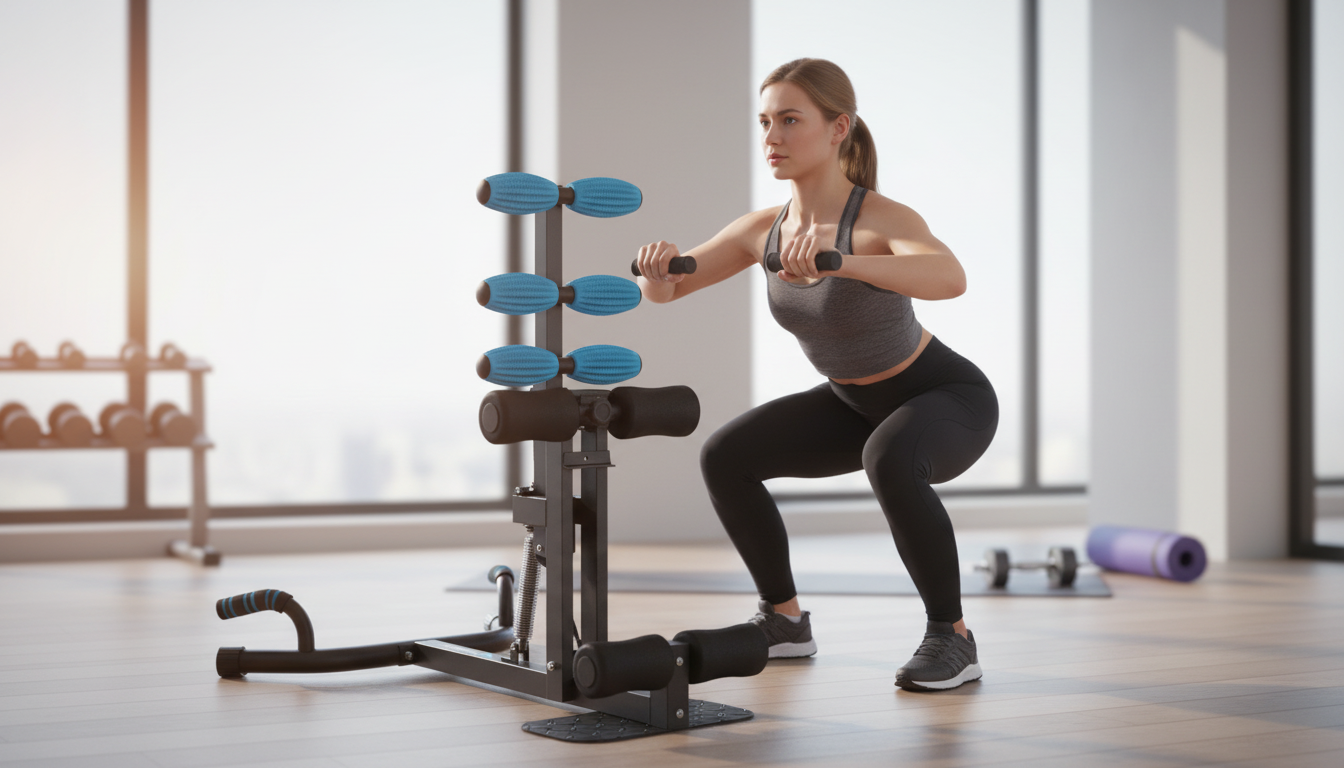
Adjustable Glutes Trainer & Deep Squat Machine
Building stronger glutes and a more confident squat often comes down to two things: consistent movement patterns and the ability to scale difficulty safely. An adjustable glutes trainer and deep squat machine supports both by guiding positioning, controlling range of motion, and letting training progress from technique-focused reps to higher-effort sets without guesswork. For more guidance, see Gluteus Maximus Activation during Common Strength … – PMC.
What This Machine Helps Train
A combined glute trainer and deep squat station is built to make lower-body work more repeatable. Instead of “hoping” each rep looks the same, you can lock in a consistent setup and focus on effort and control. For further reading, see The Beginner’s Guide to the Hip Thrust Machine.
- Glute-focused hip extension patterns that emphasize squeezing at the top rather than shifting effort to the lower back
- Deep squat strength through a controlled path that encourages stable foot pressure and upright posture
- Lower-body endurance via higher-rep sets with consistent form from start to finish
- Mobility-friendly depth practice by gradually increasing range of motion over time
- Supportive training for mixed goals: muscle building, general fitness, and athletic base strength
Adjustments That Matter for Comfort and Results
Fit and positioning are the difference between “this feels great” and “this feels off.” Prioritize machines that make it easy to dial in your start position and movement depth.
- Adjustable settings allow different heights and limb lengths to find a stable start position
- Range-of-motion control helps reduce “too deep too soon” training, especially when returning after time off
- Foot placement options can shift emphasis slightly between glutes, quads, and adductors while maintaining a consistent path
- Padding and contact points should feel secure without forcing the hips to tilt or the knees to cave inward
- A quick-adjust approach makes it easier for multiple people in a household to share one machine
Deep Squat Pattern: How to Use It Well
Deep squatting is about control and positioning first, then load. A guided machine can help reinforce the same groove every session so improvements in strength and depth come from measurable progress—not random variability.
- Warm-up sequence: 5–8 minutes of light cardio, then ankle rocks, hip hinges, and bodyweight squats to a comfortable depth
- Setup cues: keep full-foot pressure (heel, big toe, little toe), brace the core, and keep ribs stacked over pelvis
- Depth progression: start with a depth that preserves control and gradually increase range across sessions as tolerance improves
- Tempo suggestion: use a 2–3 second controlled descent, pause briefly at the bottom if comfortable, then drive up smoothly
- Common fixes: if knees collapse inward, reduce depth and focus on pushing knees out in line with toes; if heels lift, widen stance slightly or shorten depth while improving ankle mobility
For additional technique reference points, ExRx provides a practical overview of squat mechanics and common form checkpoints: ExRx — Squat Exercise Form and Technique.
Glute Emphasis: Getting More Out of Each Rep
If the goal is glute growth and stronger hip extension, the rep should finish with the glutes doing the work—without the lower back “stealing” the lockout. Small cue changes can make a noticeable difference in where you feel each set.
- Prioritize hip extension: finish each rep by squeezing glutes, not by over-arching the lower back
- Keep the pelvis neutral: excessive anterior tilt can shift load away from the glutes and into the lumbar spine
- Use controlled top-end holds: 1–2 second squeeze at peak contraction on the last few reps of a set
- Pair with complementary moves: glute bridges/hip thrust variations, step-ups, and hamstring curls for balanced development
- Mind-muscle connection tip: slow the last third of the movement and focus on glute contraction rather than speed
Sample Training Plans (Beginner to Advanced)
The most reliable progress comes from a simple rule: earn your next increase. Add reps first, then add resistance or difficulty. General resistance training recommendations from the NSCA align with this steady, progressive approach: NSCA — Position Statement on Resistance Training for Adults.
Example Weekly Split Options
| Goal | Days/Week | Main Sets | Notes |
|---|---|---|---|
| Foundational strength | 2 | 3×8–10 | Slow tempo, consistent depth |
| Muscle building | 3 | 4×6–8 + 3×10–12 | One heavier day, one volume day |
| Performance base | 3–4 | 4×5–6 + 1×15–20 | Add pauses/tempo for control |
Safety, Joint-Friendly Technique, and Who Should Be Cautious
What to Look For Before Buying
Product Options Available
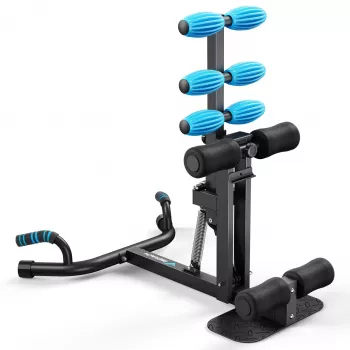
- Adjustable Glutes Trainer & Deep Squat Machine — a single station designed to support glute-focused work and deeper squat practice with adjustable positioning for different body types.
- Calvin Klein Retro Square Sunglasses with Dark Lenses — useful for outdoor walks, warm-ups, or conditioning sessions that complement lower-body training days.
- IPL Eye Beauty Device with Three-Color Light & Vibration — an optional add-on for a simple post-workout self-care routine on recovery days.
FAQ
Is a deep squat safe for knees?
Deep squats can be safe when you use good control, keep knees tracking in line with the toes, and choose a load you can manage without losing position. Build depth gradually and stop if you feel sharp pain rather than normal muscular effort.
How often should glutes be trained for growth?
Most people grow well with 2–3 focused glute sessions per week, leaving about 48 hours between hard lower-body workouts. Progressively add reps or difficulty over time and support training with adequate protein and sleep.
What if the lower back takes over during glute-focused reps?
Brace your core, keep ribs stacked over the pelvis, and avoid over-arching at the top of the rep. Reduce range of motion or load, prioritize driving through the hips, and use a quick activation warm-up like glute bridges or band walks before working sets.










Leave a comment