Natural Habits for Deeper Sleep: A 7-Night Reset Plan
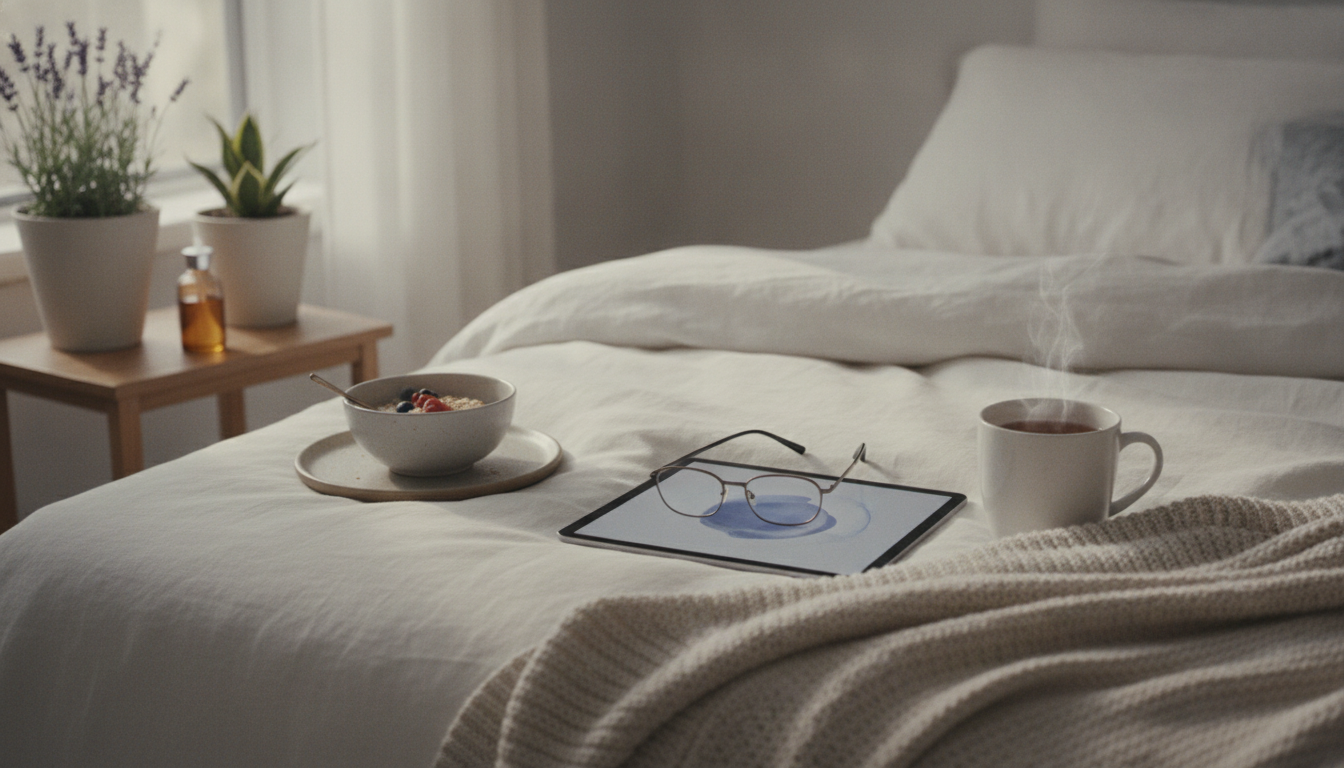
The Natural Blueprint to Restorative Sleep: Natural Habits That Support Deeper Sleep
Restorative sleep is built during the day as much as it is protected at night. Deep sleep, in particular, is supported by steady circadian timing, balanced light exposure, calming pre-bed routines, and daytime choices that reduce nighttime arousal. The goal isn’t a perfect night—it’s a repeatable set of natural habits that helps your body settle into more stable, deeper sleep without complicated gadgets or extreme routines.
What “deep sleep” does and why it can feel hard to reach
Deep sleep (also called slow-wave sleep) is strongly associated with physical recovery, immune support, and next-day energy. It often concentrates in the first half of the night, which is why late-night disruptions can feel especially costly the next day.
Common disruptors tend to be surprisingly “normal” habits: inconsistent bed and wake times, bright light exposure at night, stress-driven mental activation, alcohol close to bedtime, and sleeping in long after a rough night (which can push your rhythm later and make the next night harder).
A more helpful mindset is to focus on stability and recovery capacity rather than “chasing” perfect sleep numbers. If you notice loud snoring, witnessed breathing pauses, severe daytime sleepiness, or insomnia that lasts for months, consider medical evaluation to rule out issues like sleep apnea or chronic insomnia. For general sleep guidance, the CDC’s healthy sleep habits and the National Heart, Lung, and Blood Institute are solid starting points.
The foundation: consistent timing and circadian anchors
If deeper sleep is the house, your circadian rhythm is the foundation. The simplest way to strengthen that foundation is to set a consistent wake-up time most days. A stable wake time helps stabilize your sleep window so your body “expects” sleep at the right time—supporting deeper stages earlier in the night.
Morning outdoor light within the first hour after waking is another powerful anchor. Brighter light generally works better than indoor lighting (without staring at the sun). In the evening, keep bedtime flexible within a narrow window based on genuine sleepiness—going to bed “too early” can increase time awake in bed and make sleep feel more fragile.
After a poor night, keep the wake time steady. If you truly need a nap, use a short early-afternoon nap (about 10–20 minutes) so you don’t dilute nighttime sleep pressure.
| Anchor | Best time | Why it helps | Simple example |
|---|---|---|---|
| Outdoor light | Morning | Strengthens circadian rhythm and daytime alertness | 10–20 minutes outside after waking |
| Movement | Daytime/early evening | Builds sleep pressure and reduces stress | Brisk walk or strength session |
| Caffeine cutoff | Early afternoon | Reduces nighttime sleep fragmentation | Last coffee by 1–2 pm (adjust to sensitivity) |
| Dim lights | Evening | Supports melatonin timing and wind-down | Lower overhead lights after dinner |
| Consistent wake time | Daily | Stabilizes sleep window and deep sleep timing | Same wake time within ~30–60 minutes |
Daytime habits that build sleep pressure naturally
Sleep pressure is your body’s natural drive to sleep, and it builds through waking activity. Regular exercise—both aerobic activity and resistance training—is associated with better sleep quality for many people. The key is consistency, not perfection.
Timing matters. If intense late-evening workouts make you feel wired, move them earlier in the day and keep evenings lighter (walking, mobility, gentle stretching). Also watch the “stimulant stack”: caffeine, nicotine, and many pre-workout supplements can linger longer than expected, especially for sensitive sleepers.
Naps can help when you’re sleep-deprived, but they can also reduce nighttime sleep pressure if they’re long or late. Keep naps short and earlier in the day (before about 3 pm) to protect your ability to fall asleep and stay asleep at night.
Evening routine: lowering arousal and protecting the first half of the night
Deep sleep is supported when the nervous system can downshift. A simple 30–60 minute wind-down signals “safe to sleep” and helps reduce sleep-onset friction. Options include a warm shower, light stretching, reading something calming, gentle music, or slow breathwork.
Sleep environment: cool, dark, quiet, and mentally “safe”
A simple 7-night reset plan (repeatable and flexible)
Nights 1–2: stabilize your “start line”
Nights 3–4: reduce hidden sleep disruptors
Nights 5–6: tighten the evening setup
Night 7: keep what works
Guided support: a practical eBook for building better sleep habits
If you want structure, a step-by-step guide can turn sleep science into daily routines and checklists that are easy to repeat. The Natural Blueprint to Restorative Sleep eBook provides a focused framework for increasing deep sleep naturally through simple habit changes and a clear routine.
To support your morning light habit comfortably, consider eyewear that makes it easier to get outside consistently, such as Calvin Klein Retro Square Sunglasses with Dark Lenses (especially if brightness is a barrier that keeps you indoors). The goal is regular morning exposure and a steady schedule—not pushing through discomfort.
FAQ
How long does it take for natural sleep habits to improve deep sleep?
Some changes—like a consistent wake time and morning outdoor light—can improve sleep within days. More durable deep-sleep stability often takes 2–4 weeks of consistent timing and lower nighttime arousal.
Does melatonin increase deep sleep?
Melatonin mainly supports sleep timing for some people rather than directly “knocking you out” or guaranteeing more deep sleep. For many, improving light timing, consistency, and wind-down habits makes a bigger difference; consult a clinician if you’re unsure what’s appropriate.
What is the best bedtime routine to fall asleep faster without medication?
Keep it simple and repeatable: dim lights, take a warm shower, do light stretching, read something calming, and add a few minutes of slow breathing. Avoid bright screens and emotionally activating content close to bed so your nervous system can downshift.












Leave a comment