-
Shop
- Adidas
- Advanced Technologies
- Armani
- Bags
- Best-Sellers
- Birkenstock
- Boss
- Calvin Klein
- Car Accessories
- Crocs
- Dating & Social Skills
- Digital Resources
- Budgeting & Saving
- Emotional Intelligence
- Entrepreneurship & Business Growth
- Financial Independence
- Financial Mindset & Psychology
- Goal Setting
- Leadership
- Mindfulness
- Motivation
- Positive Thinking
- Productivity
- Self Confidence
- Sleep Improvement
- Stress Management & Relaxation
- Yoga & Mind-Body Practices
- Dr. Martens
- Drones
- Education & Learning
- Family & Parenting
- Fashion
- Fashion Accessories
- Financial Education
- Furniture
- Gadgets
- Health & Beauty
- Health & Wellness
- Home & Garden
- Home Decor
- Home Supplies
- Kids & Babies
- Lighting
- Massagers
- Mindset
- New Balance
- Nike
- Patio, Lawn & Garden
- Personal Growth
- Pet Care
- Pet Supplies
- Pets
- Shoes
- Sport & Outdoors
- Summer 2025 Fashion Collection
- Sunglasses
- Super Deals
- Timberland
- Tommy Hilfiger
- Travel
- Vans
- Wealth
- Winter Fashion
- Women’s Wellness & Lifestyle
- YouTube Shorts Best-Sellers
Kids Fanny Pack Guide: Fit, Safety, and Essentials

Fanny Pack for Kids: A Small Bag That Keeps Big Days Organized
A good kids’ fanny pack keeps essentials close without weighing down pockets or backpacks. From field trips to family travel, the right fit and features help kids carry what they need comfortably, while giving parents a little extra peace of mind.
Why a fanny pack works so well for kids
Kids move fast—climbing, running, hopping on and off rides, and weaving through busy crowds. A fanny pack keeps small necessities in one predictable spot while staying out of the way.
- Hands-free carry for playgrounds, museums, and busy events
- Helps kids keep track of small essentials like snacks, wipes, and a transit card
- Can be worn at the waist or crossbody for better comfort and security
- A simple way to encourage independence without carrying a full backpack
What to look for before choosing one
The best kids’ waist bag is the one a child will actually wear—and can use without frustration. Prioritize fit, smooth zippers, and a simple layout that makes sense for small hands.
- Adjustable strap range that fits smaller waists and can expand for coats or growth spurts
- Secure buckle that’s easy for kids to operate but holds firmly during running and climbing
- Zipper quality and smooth pull tabs (easy to grip, not sharp)
- Pocket layout that matches how your child uses it (one main pocket plus a small front pocket is often enough)
- Lightweight construction so it doesn’t bounce or sag when filled
Quick guide to kid-friendly features
| Feature | Why it matters | Practical check |
|---|---|---|
| Adjustable strap | Prevents slipping and improves comfort | Fits snugly at the waist and also works crossbody |
| Secure zipper(s) | Reduces lost items during active play | Zips smoothly; pull tab is easy for small fingers |
| Comfortable back panel | Less rubbing and bouncing | Soft backing; sits flat against clothing |
| Easy-clean fabric | Spills happen on the go | Wipes clean; dries quickly after a damp cloth |
| Simple organization | Kids find items faster | Main pocket for bulky items; small pocket for quick-grab items |
Fit and comfort: waist vs crossbody
How a fanny pack is worn can change how secure it feels—especially during travel days or high-energy outings. A quick strap adjustment can prevent the “bounce factor” that makes kids abandon bags mid-adventure.
- Waist wear works well for lighter loads and shorter outings; it stays out of the way when sitting.
- Crossbody wear can feel more secure for travel days and crowded places; it’s harder to slip off unnoticed.
- A good fit sits flat (not dangling) and doesn’t bounce when walking or running.
- For younger kids, set the strap so the bag rests high on the torso when worn crossbody to reduce swinging.
Capacity: what kids usually carry
A kids’ fanny pack shines when it’s packed with just-right essentials—not everything they own. Think “small, useful, and easy to replace,” and let heavier items live in an adult bag.
- Everyday basics: tissues, lip balm, hair ties, small sunscreen stick
- Out-and-about items: snack bar, small water flavor packet, wipes
- School and activities: ID card, transit pass, small key, emergency contact card
- Family travel: hand sanitizer, earbuds, small toy, a folded mask if needed
- A good rule: pack only what the child can manage comfortably; heavy items are better in an adult bag.
Materials, durability, and hardware
Kids are tough on gear. Paying attention to fabric, stitching, and hardware helps a small bag survive big days.
- Look for sturdy stitching at strap joins and along zipper seams—these areas take the most strain.
- Water-resistant fabric helps with light rain and spills; it’s especially useful for theme parks and outdoor trips.
- A reliable buckle is key; it should click positively and resist accidental release when tugged.
- Rounded edges and soft binding reduce irritation against bare skin in warmer months.
For broader safety guidance on children’s products and potential issues to watch for, it’s smart to periodically check CPSC Recalls. For practical family travel and health tips, HealthyChildren.org (American Academy of Pediatrics) is a helpful reference.
Safety and practical use in busy places
A fanny pack can be a simple “home base” for a child’s essentials, but a few habits make it even more useful when places are crowded or kids are on the move.
When a kids’ fanny pack is most useful
Care tips that keep it looking new
A ready-to-go option
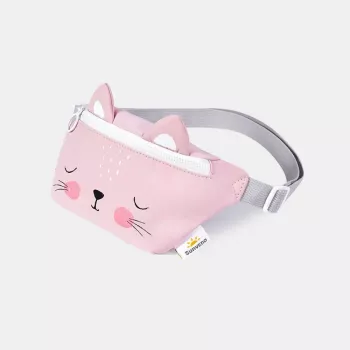
For a simple, kid-friendly carry option, see the Fanny Pack for Kids product page for current pricing and availability. Add a small laminated emergency contact card plus a snack and wipes, and it’s ready for school outings, travel days, and weekends.
If a coordinating grown-up bag helps keep family essentials together, the Women’s Genuine Leather Boston Shoulder Bag is a handy companion for items that are better carried by an adult (chargers, larger sunscreen, medications, or extra water).
FAQ
What age is a kids’ fanny pack best for?
Most children can use one comfortably once they can manage a buckle and zipper independently. For younger kids, focus on a wide adjustment range and keep the contents light so it stays stable and comfortable.
Is it better worn on the waist or crossbody for kids?
Waist wear is often most comfortable for short outings and light loads, while crossbody tends to feel more secure in crowds and on travel days. In either position, the bag should sit flat and not bounce as they move.
What should a child carry in it for a day out?
Stick to small essentials like tissues, wipes, a snack, sanitizer, an ID/contact card, and a transit pass if needed. Avoid heavy or bulky items that make the bag swing or pull on the strap.
Recommended for you


Was this article helpful?
Yes
No








Leave a comment