10-Minute Chaos-to-Calm Reset When Cleaning Feels Hard
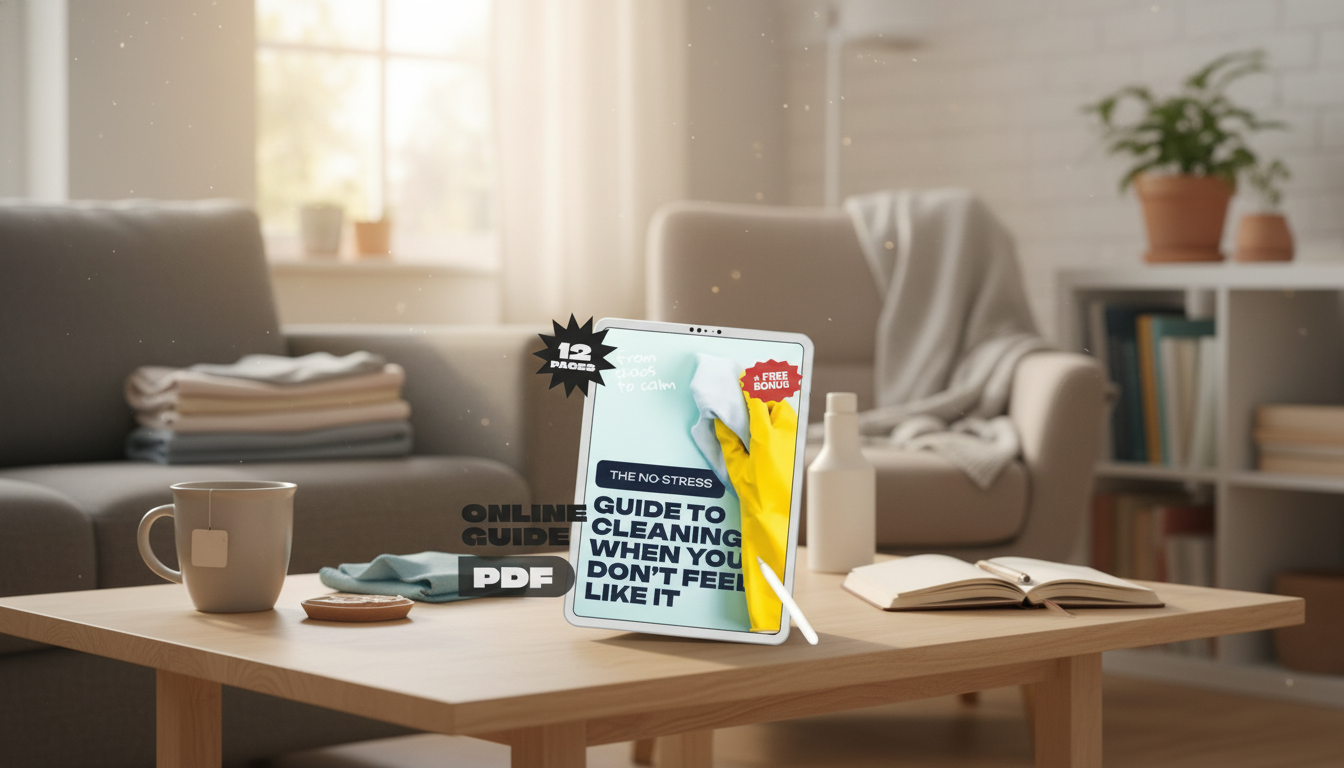
From Chaos to Calm: A No-Stress Reset for When Cleaning Feels Impossible
When motivation is low and the mess feels loud, the goal isn’t perfection—it’s relief. A calmer, guide-style reset can lower stress, reduce decision fatigue, and create quick visual wins so your space feels manageable again. If your nervous system is already running hot, smaller steps that end with a clear “finish line” are often more effective than big, ambitious plans.
Why cleaning feels so hard (and why that’s not a character flaw)
Mess can trigger overwhelm because it creates too many decisions at once: what to tackle first, where each item goes, how long everything will take, and what you’ll discover underneath. When energy is low—or when stress, burnout, anxiety, or ADHD-like distractibility is in the mix—“just start” can feel genuinely impossible.
Shame tends to freeze progress. Self-criticism adds pressure, and pressure makes avoidance stronger. A calmer plan works better because it reduces the number of choices you have to make and gives you quick evidence that change is possible.
Instead of aiming for spotless, aim for a functional baseline: clear surfaces where you need them, safe walkways, and a usable kitchen and bathroom. That baseline is what makes daily life feel less heavy.
If stress has been building for a while, it may help to understand how it affects the body and focus—resources like the American Psychological Association’s overview of stress effects and Mayo Clinic’s stress management basics can be validating when your brain feels “stuck.”
The 10-minute calm reset: start small, finish strong
Set a 10-minute timer. The finish line matters more than the amount completed because finishing builds trust with yourself. Ten minutes is also short enough that your brain is less likely to negotiate, procrastinate, or spiral.
Start with one “visual win” to reduce mental load fast: clear the couch, the bed, or one counter. Then use a single container (like a laundry basket or tote) for items that belong elsewhere. Don’t relocate them yet—just get them out of the way so the room looks and feels calmer.
When the timer ends, stop. Take a two-minute break (water, stretch, open a window), then decide if you want another round. Stopping on time keeps the reset from turning into an exhausting, all-or-nothing event.
10-minute starter menu (pick one)
| Option | What to do | What it improves |
|---|---|---|
| Counter sweep | Throw trash, stack dishes, wipe one section | Immediate calm in the kitchen |
| Floor pathway | Move items off the main walking route | Safer, less chaotic movement |
| Bed reset | Clear top of bed and pull up covers | A visible “done” zone |
| Bathroom quick pass | Clear sink, wipe mirror, swap towel | A cleaner-feeling routine space |
A no-stress order of operations (so you don’t bounce around)
If your brain keeps pulling you from one spot to another, use a simple sequence that closes loops. Think of it as clearing the “easy categories” first, so the remaining mess is smaller and less confusing.
- Trash first: walk room-to-room with a bag and remove obvious trash only. No sorting, no “projects.”
- Dishes second: gather dishes to the sink or dishwasher. Scrubbing can wait; you’re consolidating.
- Laundry third: collect it into one hamper. If you can start one load, great—if not, you still won by containing it.
- Clear surfaces last: make three quick categories: belongs here / belongs elsewhere / unsure.
Save detailed organizing for later. Momentum comes from finishing loops, not from making perfect decisions while you’re already drained.
Motivation that actually works: reduce friction, increase reward
When motivation is low, the best strategy is to make starting easier than not starting. That means removing tiny barriers that create delay and dread.
If part of the stress is that your living room looks “messy” even after you reset, a quick comfort upgrade can help the space feel restored. A soft, easy-to-smooth cover like the Bohemia Plush Velvet Sofa Cover can create an instant “put together” look once the couch is cleared.
What to do when the mess is emotional
A gentle routine to keep calm without daily deep-cleaning
Digital guide: step-by-step support when motivation is low
If you want that kind of support on hand, From Chaos to Calm: The No-Stress Guide to Cleaning When You Don’t Feel Like It (Digital Download) is designed for quick resets and low-energy days—so you can build momentum without turning cleaning into an all-day project.
FAQ
How do you get motivated to clean when you don’t feel like it?
Set a 10-minute timer and start with one visible win (like the bed or one counter). Keep a low-friction reset kit (wipes, trash bags, a basket) and stop at “functional,” not perfect; music or body-doubling can make starting easier.
What should you clean first when your house is really messy?
Start with trash, then gather dishes, then collect laundry, and only then reset surfaces. This order reduces decision fatigue and creates fast improvement because you’re removing the biggest visual and functional problems first.
How can you keep a house from getting messy again without cleaning all day?
Use a daily 10-minute baseline (trash, dishes, one surface) and rotate zones by day to avoid marathon cleaning. A donation bag and a “belongs elsewhere” basket help you recover quickly when life gets busy.











Leave a comment