Smart Self-Cleaning Litter Box: App Control & Odor Cut
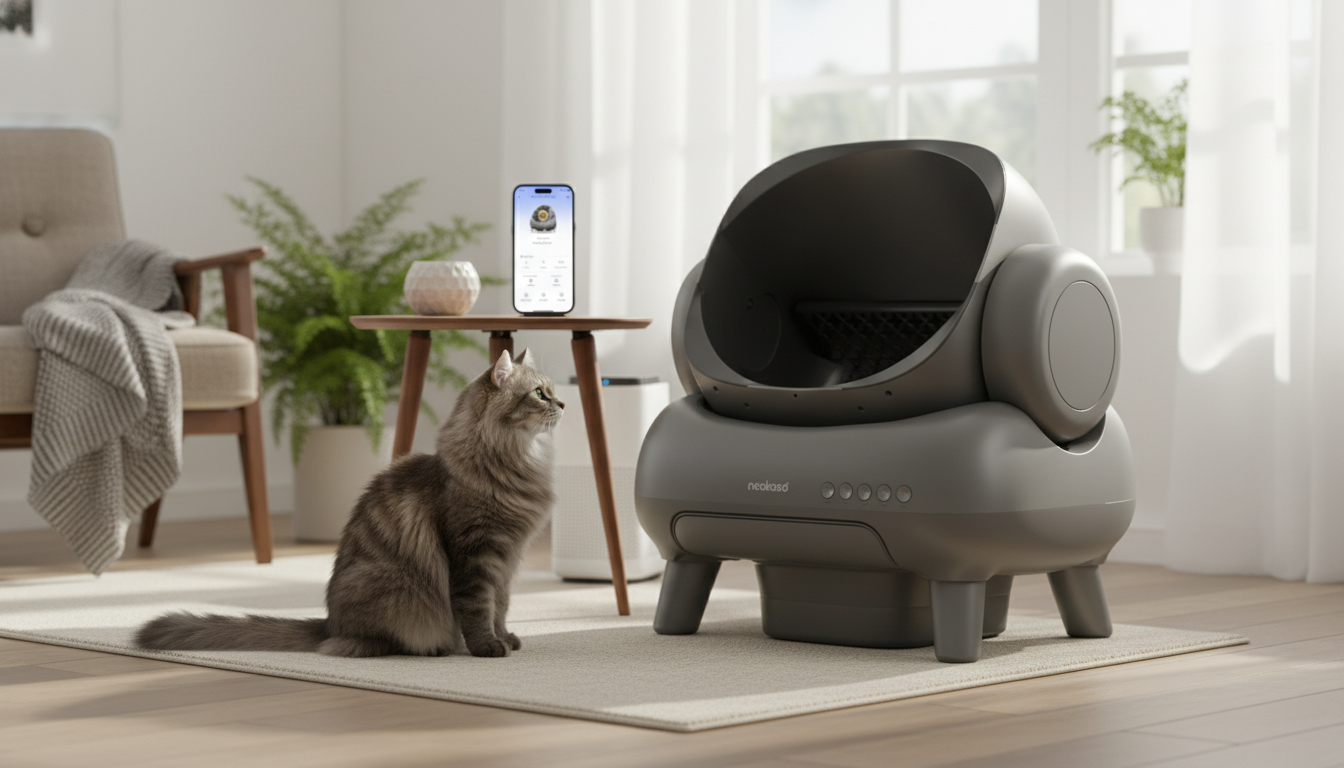
A Smarter Way to Keep the Litter Area Clean: App-Controlled Self-Cleaning with Odor Control
Daily scooping is messy, time-consuming, and often the biggest source of lingering smells. A smart self-cleaning litter box automates the dirty work, tracks bathroom habits in an app, and helps keep the surrounding area fresher—especially helpful in apartments, multi-cat homes, or busy schedules.
What Makes a Litter Box “Smart” (and Why It Matters)
A “smart” litter box isn’t just about convenience. It’s about reducing the time waste sits exposed, improving consistency, and giving you better visibility into day-to-day use.
- Automatic cycling after a cat exits reduces waste sitting in the open and helps control odor.
- App control enables schedule adjustments, status checks, and alerts without hovering over the unit.
- Usage tracking can reveal behavior changes that may signal stress or health issues.
- Sealed waste storage and deodorizing features can improve air quality around the box.
- A consistent cleaning routine can encourage picky cats to keep using the box.
When the box stays consistently cleaner, cats are often less likely to avoid it—an issue many owners only notice after accidents or sudden changes in habits. For general cat-care guidance, reputable resources like the American Veterinary Medical Association (AVMA) and the Cornell Feline Health Center can be helpful references.
Product Spotlight: Smart Automatic Self-Cleaning Cat Litter Box with App Control and Odor Elimination
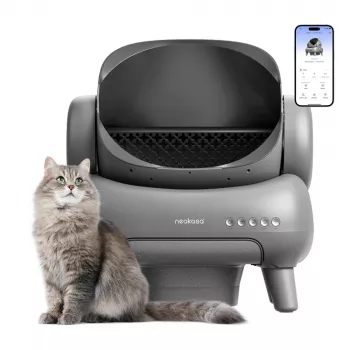
If the goal is fewer daily chores and a fresher litter area, the Smart Automatic Self-Cleaning Cat Litter Box with App Control and Odor Elimination is designed to automate waste separation so the box stays cleaner between deep cleanings.
- Designed to automate waste separation so the litter area stays cleaner between deep cleanings.
- App-based monitoring and controls support check-ins, alerts, and routine adjustments.
- Odor-focused design aims to limit smell buildup from used litter and waste storage.
- Best fit for owners who want fewer daily chores and more consistent cleanliness.
- In stock (40 units) and priced at $636.95.
Quick Specs and Purchase Details
| Item | Details |
|---|---|
| Product | Smart Automatic Self-Cleaning Cat Litter Box with App Control and Odor Elimination |
| Price | 636.95 USD |
| Availability | In stock |
| Product page | View product |
How App Control Improves Everyday Use
Even the best self-cleaning system is easier to live with when it communicates clearly. App control turns the litter box from a “set it and guess” gadget into a routine you can actually manage.
- Remote status checks: confirm whether a cleaning cycle ran and whether the waste bin needs attention.
- Notifications: get alerts for bin-full states or activity patterns without constant manual checks.
- Scheduling: set cycle timing to reduce noise during sleep or align with household routines.
- Multi-user convenience: multiple caregivers can monitor and maintain one shared litter setup.
- Data over time: activity logs can help spot changes that deserve a closer look.
That last point matters more than many owners expect. If litter box activity suddenly spikes or drops, it can be a clue to look closer at hydration, stress, or comfort—especially in multi-cat households where patterns can be hard to notice without a log.
Odor Control: What Actually Helps (Beyond “Cover-Up” Scents)
The best odor control is less about masking smells and more about limiting the conditions that create them. A smart self-cleaning litter box helps by removing waste sooner, and odor-focused designs help contain what’s already there.
- Frequent removal of clumps/waste: reduces the main source of odor—time and exposure.
- Better sealing around waste storage: helps keep smells contained between disposal days.
- Deodorizing/odor-neutralizing components: can reduce ammonia-like smells that develop from urine.
- Placement and airflow: keeping the unit away from HVAC returns and tight corners can minimize odor spread.
- Litter choice matters: low-dust clumping litters often pair best with automated sifting systems.
Also consider the “odor zone” around the box: litter tracking and dust can settle on nearby floors and soft surfaces. If your litter area is near upholstery, a washable cover like the Bohemia Plush Velvet Sofa Cover can make quick cleanups less stressful while you fine-tune placement and routines.
Setup and Transition Tips for Cat Comfort
The smoothest transitions are gradual. Cats that startle easily may need a few days to accept a new box—especially one with moving parts.
Maintenance Routine That Keeps Performance Consistent
Simple Maintenance Checklist
| Task | Typical frequency | Why it helps |
|---|---|---|
| Empty waste bin | Every few days (or as alerted) | Prevents odor buildup and overflow |
| Wipe interior contact points | Weekly | Reduces residue and stuck clumps |
| Add/level litter | As needed | Improves sifting and clumping consistency |
| Deep clean | Monthly (or as needed) | Prevents lingering smells and buildup |
Who This Style of Litter Box Is Best For
FAQ
Is a self-cleaning litter box safe for cats?
Most are designed with safety in mind, using features like presence detection and delayed cycling so the cleaning cycle runs after a cat exits. Follow the manufacturer’s instructions closely and supervise during the first week to confirm your cat is comfortable and the unit behaves as expected.
What litter works best with an automatic self-cleaning litter box?
Clumping litter that forms firm, cohesive clumps is typically the most reliable for automated sifting. Very lightweight, non-clumping, or overly dusty litter can reduce performance, so it’s often best to start with your cat’s current clumping litter before experimenting.
How often does the waste bin need to be emptied?
It depends on how many cats are using the box and their routines, but many households empty it every few days. Emptying more frequently usually improves odor control, and app alerts can help you stay ahead of a full bin.









Leave a comment