-
Shop
- Adidas
- Advanced Technologies
- Armani
- Bags
- Best-Sellers
- Birkenstock
- Boss
- Calvin Klein
- Car Accessories
- Crocs
- Dating & Social Skills
- Digital Resources
- Budgeting & Saving
- Emotional Intelligence
- Entrepreneurship & Business Growth
- Financial Independence
- Financial Mindset & Psychology
- Goal Setting
- Leadership
- Mindfulness
- Motivation
- Positive Thinking
- Productivity
- Self Confidence
- Sleep Improvement
- Stress Management & Relaxation
- Yoga & Mind-Body Practices
- Dr. Martens
- Drones
- Education & Learning
- Family & Parenting
- Fashion
- Fashion Accessories
- Financial Education
- Furniture
- Gadgets
- Health & Beauty
- Health & Wellness
- Home & Garden
- Home Decor
- Home Supplies
- Kids & Babies
- Lighting
- Massagers
- Mindset
- New Balance
- Nike
- Patio, Lawn & Garden
- Personal Growth
- Pet Care
- Pet Supplies
- Pets
- Shoes
- Sport & Outdoors
- Summer 2025 Fashion Collection
- Sunglasses
- Super Deals
- Timberland
- Tommy Hilfiger
- Travel
- Vans
- Wealth
- Winter Fashion
- Women’s Wellness & Lifestyle
- YouTube Shorts Best-Sellers
Condenser vs Dynamic Mic: Which Is Better for You?
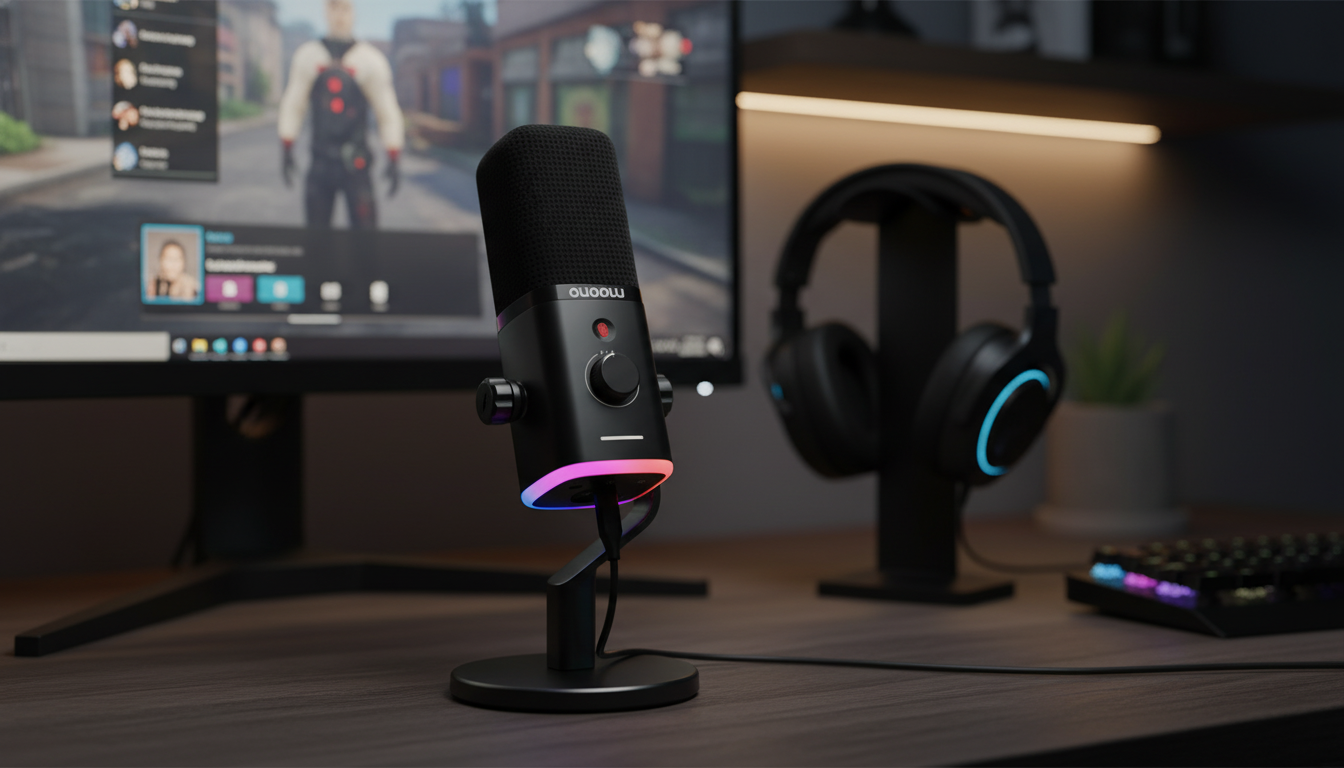
What is better, a condenser or a dynamic microphone?
Neither is universally “better”—the better microphone is the one that matches your room, your voice, and how you plan to use it. In general, condensers capture more detail and air, while dynamics are more forgiving in everyday spaces and help keep unwanted noise under control. Our team typically starts by looking at your recording environment first, because that choice often decides the mic type before anything else.
Choose a condenser microphone if you want maximum detail
A condenser microphone is a great pick when you’re recording in a treated or quiet room and you want a more open, sensitive sound. Condensers tend to pick up subtle vocal texture and higher-frequency sparkle, which can be ideal for studio-style vocals, acoustic instruments, and clean voiceover work. The tradeoff is that this sensitivity also captures more of your space—keyboard clicks, computer fans, and room echo can become part of the recording if your setup isn’t controlled.
Choose a dynamic microphone if you need better isolation
A dynamic microphone is usually the safer “plug in and go” choice for streaming, gaming chat, podcasts in untreated rooms, and desks that aren’t perfectly quiet. Dynamics are less sensitive, so they naturally reject more background noise and room reflections. They also reward close mic technique: speaking 2–4 inches away often yields a full, punchy tone while keeping distractions lower.
Quick decision guide (what we recommend most often)
- Noisy room, hard walls, or roommates nearby: Start with a dynamic mic.
- Quiet room, acoustic treatment, or controlled studio space: A condenser can shine.
- You want easier noise control without heavy editing: Dynamic.
- You want crisp nuance and don’t mind managing the room: Condenser.
Don’t forget the connection and features
Your interface matters as much as the capsule. If you want a simple setup, a USB mic can be convenient; if you want upgrade flexibility, an XLR chain can be the long-term move. For a practical breakdown of USB-C vs XLR, plus dynamic mic features like noise reduction and gaming-friendly options, our team recommends reading our guide to USB-C and XLR dynamic gaming microphones.
FAQ
Do I need an audio interface for an XLR microphone?
Yes. An XLR microphone needs an audio interface or mixer to provide gain and convert the signal to USB for your computer.
Recommended for you
Was this article helpful?
Yes
No








Leave a comment