-
Shop
- Adidas
- Advanced Technologies
- Armani
- Bags
- Best-Sellers
- Birkenstock
- Boss
- Calvin Klein
- Car Accessories
- Crocs
- Dating & Social Skills
- Digital Resources
- Budgeting & Saving
- Emotional Intelligence
- Entrepreneurship & Business Growth
- Financial Independence
- Financial Mindset & Psychology
- Goal Setting
- Leadership
- Mindfulness
- Motivation
- Positive Thinking
- Productivity
- Self Confidence
- Sleep Improvement
- Stress Management & Relaxation
- Yoga & Mind-Body Practices
- Dr. Martens
- Drones
- Education & Learning
- Family & Parenting
- Fashion
- Fashion Accessories
- Financial Education
- Furniture
- Gadgets
- Health & Beauty
- Health & Wellness
- Home & Garden
- Home Decor
- Home Supplies
- Kids & Babies
- Lighting
- Massagers
- Mindset
- New Balance
- Nike
- Patio, Lawn & Garden
- Personal Growth
- Pet Care
- Pet Supplies
- Pets
- Shoes
- Sport & Outdoors
- Summer 2025 Fashion Collection
- Sunglasses
- Super Deals
- Timberland
- Tommy Hilfiger
- Travel
- Vans
- Wealth
- Winter Fashion
- Women’s Wellness & Lifestyle
- YouTube Shorts Best-Sellers
Waterproof Plant Labels: Stop Seedling Mix-Ups Fast
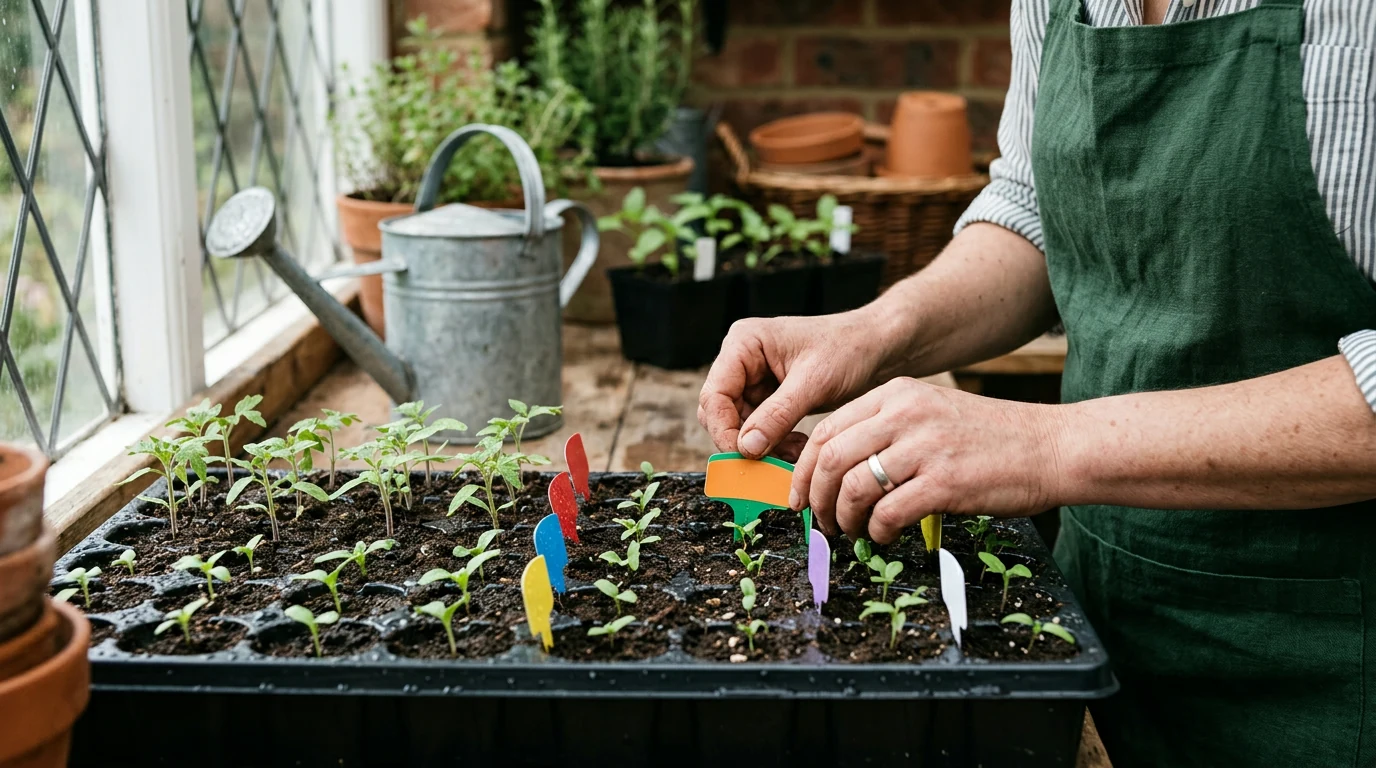
Keep Every Pot and Bed Clearly Marked (Without “Mystery Stakes”)
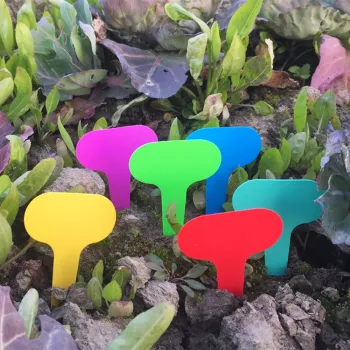
A thriving garden is easier to manage when every seedling, cutting, and container is labeled from day one. With our 70pcs Mixed Color Waterproof Plant Labels for Home & Garden, you can track varieties, sowing dates, and quick care notes without labels fading or turning unreadable after watering day. Whether you’re starting seeds on a windowsill, rotating balcony planters, or keeping raised beds organized, a simple labeling routine helps you stay consistent all season.
What These Plant Labels Help Solve
When you label early, you avoid the most common small-garden headaches:
- Prevent mix-ups between look-alike seedlings—tomatoes, peppers, herbs, and many flowers can be nearly identical at the sprout stage.
- Keep variety names, planting dates, and notes visible through frequent watering and humid conditions.
- Make succession planting easier by marking what was planted and when—especially in compact spaces.
- Create one consistent system across houseplants, propagation stations, outdoor beds, and greenhouse trays.
- Support sharing plants: labeled cuttings and starts are easier to gift, trade, and relocate without losing track of what’s what.
A Simple Labeling System That Stays Readable
Our team recommends a repeatable “small enough to keep up with” system. The labels don’t need long notes—just the essentials in the same format every time.
- Assign colors by category (for example: green for herbs, yellow for leafy greens, red for peppers and tomatoes, blue for flowers).
- Write the essentials: plant name + variety, sowing or transplant date, and one key note (full sun / part shade / pinch tips).
- Label at the moment you sow or pot up, not “after they sprout.” That’s when mix-ups happen.
- Place labels where you’ll see them while watering, but where they won’t interfere with stems or root zones as plants expand.
- For containers, angle labels along the pot wall so they stay visible even as foliage fills in.
Easy color-coding ideas for mixed-color labels
| Color role | Best for | What to write |
|---|---|---|
| By plant type | Herbs, flowers, vegetables, houseplants | Name + variety |
| By timing | Early sowing vs. late sowing batches | Sow/transplant date |
| By location | Windowsill, greenhouse, outdoor beds | Location code (e.g., GH-2, Bed-A) |
| By care needs | Full sun, shade-tolerant, heavy feeders | 1 care note (sun/water/feeding) |
Where These Labels Fit Best at Home
You’ll get the most value from waterproof labels in high-traffic growing areas—places where plants move, trays get rearranged, or watering is frequent.
- Seed-starting trays: Keep multiple varieties in one flat without confusion during pricking out.
- Raised beds and row planting: Mark rows, squares, or sections—especially helpful for succession sowing.
- Container gardens: Keep patio pots and balcony planters organized as you rotate seasonal plantings.
- Houseplants and propagation: Label cuttings (start date, node count, cultivar) to track rooting progress.
- Greenhouses and cold frames: Stay organized through humidity, misting, and frequent watering routines.
If you’re seed-starting and want a practical refresher on timing and setup, the University of Minnesota Extension and the Royal Horticultural Society both offer clear, step-by-step guidance.
Writing Tips That Hold Up Through Watering
- Use a waterproof/permanent marker for crisp, durable writing, and let ink dry fully before placing the label into damp soil.
- Keep text short and bold; long notes are more likely to smudge when handled repeatedly.
- Write on a clean, dry label surface so ink adheres well.
- Use quick codes instead of paragraphs (example: “NPK wk2” for feeding or “P.S.” for part shade).
- If a label will live in strong sun, write slightly larger than usual so it stays readable at a glance over time.
Garden-Routine Uses Beyond Plant Names
Once you have a stack of labels within reach, you’ll find they’re handy for more than IDs:
- Sowing schedule tracking: Mark “direct sow” dates and add re-sow reminders for quick harvest crops.
- Pest and treatment notes: Label a pot or bed section with “treat weekly” or “monitor aphids.”
- Experiment tags: Compare soils or fertilizers (example: “mix A” vs. “mix B”) to learn what performs best.
- Overwintering reminders: Tag tender perennials and note when to move them indoors.
- Harvest and rotation notes: Label beds with last season’s crop family to make rotation planning easier next year.
Care and Reuse: Keep Labels Looking Neat
- If you plan to reuse labels, wipe writing clean when possible, or reserve one color for single-season labeling.
- Store unused labels dry and flat so they’re ready when sowing time begins.
- When moving plants, keep the label with the pot—especially during repotting days when mix-ups are common.
- Outdoors, check placement after storms or heavy watering so labels remain upright and visible.
A Quick Setup for Busy Weeks
Consistency beats perfection. When you’re juggling sowing, watering, and potting up, a 2-minute routine keeps everything on track.
In Our Store: Simple Tools That Support Your Routine
- 70pcs Mixed Color Waterproof Plant Labels for Home & Garden
- Calvin Klein Retro Square Sunglasses with Dark Lenses
FAQ
What should be written on plant labels to stay organized?
Use a consistent, minimal format: plant name plus variety/cultivar, sowing or transplant date, and one short care note or location code. Bold, brief text stays readable longer and is faster to scan while you water.
Which marker works best for waterproof plant labels?
A waterproof/permanent marker works best, especially when you let the ink dry fully before pushing the label into damp soil. Write on a clean, dry label surface to help the ink adhere and resist smearing.
How can plant labels be used for succession planting?
Label each sowing batch with a date and a batch number (like B1, B2, B3), and consider color-coding by timing (early vs. late sowings). For example, if you sow lettuce every two weeks, each label can show the sow date and batch so you know what to replant next.
Recommended for you

Was this article helpful?
Yes
No









Leave a comment