-
Shop
- Adidas
- Advanced Technologies
- Armani
- Bags
- Best-Sellers
- Birkenstock
- Boss
- Calvin Klein
- Car Accessories
- Crocs
- Dating & Social Skills
- Digital Resources
- Budgeting & Saving
- Emotional Intelligence
- Entrepreneurship & Business Growth
- Financial Independence
- Financial Mindset & Psychology
- Goal Setting
- Leadership
- Mindfulness
- Motivation
- Positive Thinking
- Productivity
- Self Confidence
- Sleep Improvement
- Stress Management & Relaxation
- Yoga & Mind-Body Practices
- Dr. Martens
- Drones
- Education & Learning
- Family & Parenting
- Fashion
- Fashion Accessories
- Financial Education
- Furniture
- Gadgets
- Health & Beauty
- Health & Wellness
- Home & Garden
- Home Decor
- Home Supplies
- Kids & Babies
- Lighting
- Massagers
- Mindset
- New Balance
- Nike
- Patio, Lawn & Garden
- Personal Growth
- Pet Care
- Pet Supplies
- Pets
- Shoes
- Sport & Outdoors
- Summer 2025 Fashion Collection
- Sunglasses
- Super Deals
- Timberland
- Tommy Hilfiger
- Travel
- Vans
- Wealth
- Winter Fashion
- Women’s Wellness & Lifestyle
- YouTube Shorts Best-Sellers
Ultralight Waterproof Sleeping Bag for Damp Camps
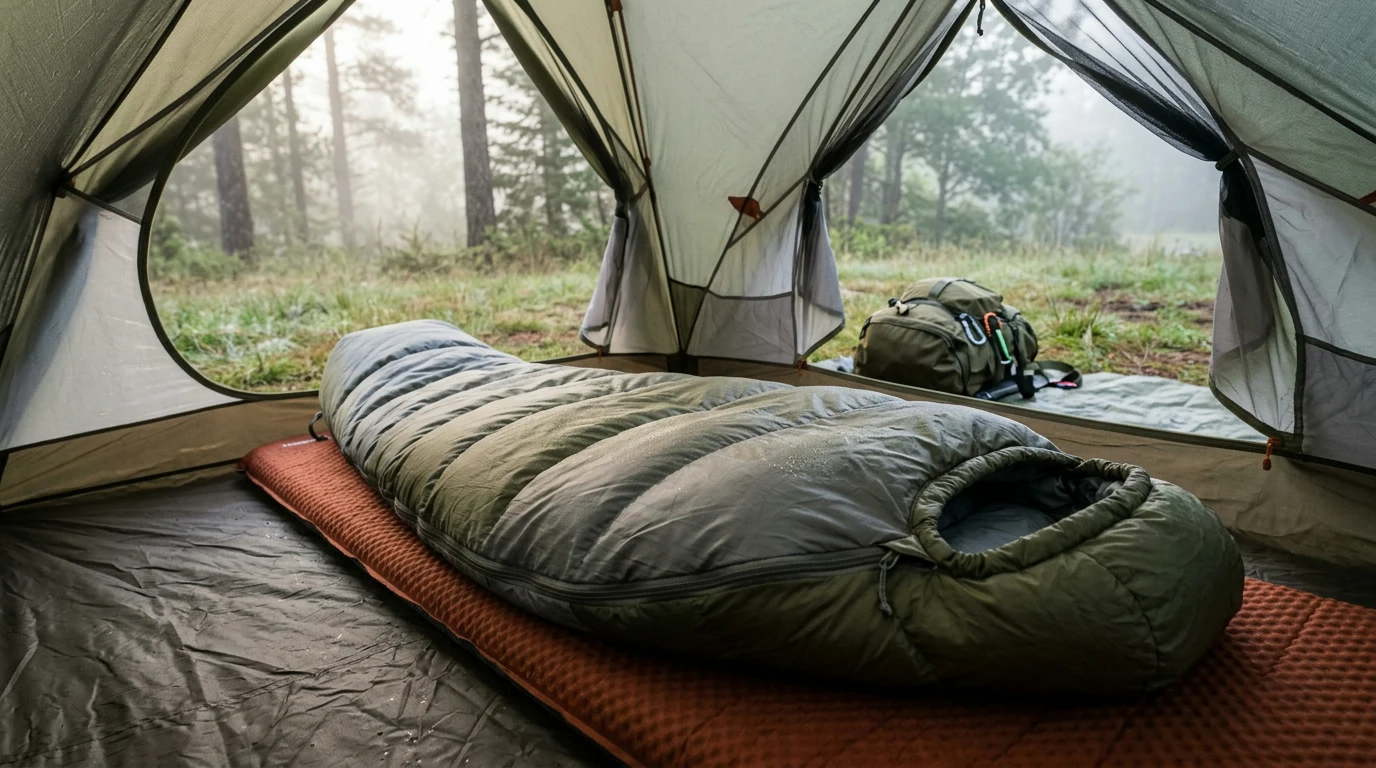
Ultralight Waterproof Sleeping Bag: Dry, Packed Small, Ready for the Trail
Fast-moving plans call for gear that pulls its weight: a sleeping bag that packs down, handles damp ground, and keeps nights comfortable without turning your pack into a burden. Our team built the Ultralight Waterproof Sleeping Bag for backpacking weekends, emergency kits, and travel—anywhere staying warm and staying dry matters. For more guidance, see Ultralight Warm Weather Sleeping Bag – Portable Waterproof ….
What this sleeping bag is made to solve
- Cuts bulk for hikers and minimalist packers who still want a full sleeping bag (not just a liner).
- Adds water resistance for nights when condensation, mist, wet grass, or a leaky tent floor are part of the reality.
- Keeps setup simple for late arrivals: roll out, zip up, sleep—no complicated system required.
- Works as a practical piece for go-bags and car camping when weather changes faster than plans.
Where “waterproof” helps most in the real world
When you’re camping, “wet” often shows up as ambient moisture long before a true storm does. That’s where a water-resistant shell pays off—helping keep the outside of your bag from immediately soaking up dampness that can rob comfort over time. For further reading, see Ultralight Warm Weather Sleeping Bag – 1.5 Lb, Rectangular ….
- Dewy mornings and damp campsites: water resistance helps keep the shell from soaking up moisture while the bag is on the ground or brushing tent walls.
- Condensation inside tents: a protective shell reduces the bag’s tendency to feel clammy from surface moisture.
- Light drizzle during setup or breakdown: short exposure is less likely to leave the shell wet to the touch.
- Important boundary: water resistance is not a substitute for a dry shelter—pair with a ground pad and a tent footprint or tarp when conditions are truly wet.
Packability and carry comfort
Ultralight gear isn’t only about bragging rights on a scale—it’s about energy. Over a long day, extra bulk changes how your pack rides and how quickly you fatigue. A compact sleeping bag helps you keep volume open for what matters: food, layers, first-aid, and the small “just in case” items you’ll actually use.
- Ultralight choices reduce pack fatigue on climbs, long days, and trips where every liter of volume matters.
- A compact bag frees space for food, layers, and safety gear—especially on 1–3 night routes.
- Smart packing tip: store inside a waterproof stuff sack or pack liner to protect loft and insulation from prolonged moisture exposure.
- At camp, allow the bag to loft before sleeping—insulation performs better when it has time to expand.
How to build a warmer sleep system (without adding much weight)
Your sleeping bag is one part of the system. If you’ve ever felt cold “from below,” you already know: the ground can steal warmth fast. A small, intentional setup keeps you warmer than simply bringing a heavier bag.
- Start with the ground: a sleeping pad matters as much as the bag. Cold ground can steal warmth even with a good bag.
- Use a dry base layer: dedicated sleep socks and a lightweight thermal top/bottom help keep the bag cleaner and improve comfort.
- Block drafts: cinch the hood/neck area if available, and tuck edges underneath to reduce cold air gaps.
- Add a liner when temperatures drop: liners can boost warmth and are easy to wash.
- Fuel and hydration: a warm drink and a small snack before bed can help maintain body heat through the first hours of sleep.
For safety-minded planning, it’s worth reviewing guidance on cold exposure and hypothermia from the NOAA. And if you’re comparing bags across brands, ISO’s thermal performance labeling standard (ISO 23537) is the industry reference point.
Quick care that extends performance
Planning ahead helps you stay comfortable without overpacking. Leave No Trace’s approach to preparation is a solid baseline for building a simple, reliable camp routine (Plan Ahead and Prepare).
At-a-glance checklist: match the bag to the trip
| Trip conditions | Recommended add-ons | Why it helps |
|---|---|---|
| Mild, dry weather | Lightweight sleeping pad | Insulates from the ground and improves comfort |
| Humid nights / tent condensation | Pack liner + quick morning airing | Keeps insulation drier across multiple nights |
| Dewy grass / wet campsite | Footprint or groundsheet | Reduces shell contact with moisture |
| Cooler-than-expected temps | Sleeping bag liner + dry base layer | Adds warmth with minimal bulk |
| Windy ridge camps | Bivy or better tent pitch + draft control | Cuts convective heat loss and drafts |
Who this sleeping bag fits best
Product picks from our store
- Ultralight Waterproof Sleeping Bag — compact, trail-friendly, and designed to handle moisture-prone nights while staying easy to pack and carry.
- Calvin Klein Retro Square Sunglasses with Dark Lenses — a simple add-on for bright ridgelines, desert routes, and travel days when eye comfort matters.
- IPL Eye Beauty Device with Three-Color Light & Vibration — a compact self-care option for travel and at-home routines when you want a lightweight kit.
FAQ
Is a waterproof sleeping bag fully waterproof in heavy rain?
No—“waterproof” usually refers to the shell’s resistance to moisture, not a complete rain-proof sleep setup. For heavy rain or sustained wet ground, you still need reliable shelter plus a groundsheet/footprint and a pack liner to keep insulation dry.
What should be packed with an ultralight sleeping bag to stay warm?
Bring a sleeping pad with real insulation value, dry base layers reserved for sleep, and consider a liner for an easy warmth boost. Also keep the bag dry during transport and reduce drafts around your neck and shoulders once you’re settled in.
How should an ultralight sleeping bag be stored between trips?
Store it fully dry and uncompressed when possible to protect loft over time. Compress only for transport, and air it out after each trip so residual moisture doesn’t build up in storage.
Recommended for you


Was this article helpful?
Yes
No








Leave a comment