-
Shop
- Adidas
- Advanced Technologies
- Armani
- Bags
- Best-Sellers
- Birkenstock
- Boss
- Calvin Klein
- Car Accessories
- Crocs
- Dating & Social Skills
- Digital Resources
- Budgeting & Saving
- Emotional Intelligence
- Entrepreneurship & Business Growth
- Financial Independence
- Financial Mindset & Psychology
- Goal Setting
- Leadership
- Mindfulness
- Motivation
- Positive Thinking
- Productivity
- Self Confidence
- Sleep Improvement
- Stress Management & Relaxation
- Yoga & Mind-Body Practices
- Dr. Martens
- Drones
- Education & Learning
- Family & Parenting
- Fashion
- Fashion Accessories
- Financial Education
- Furniture
- Gadgets
- Health & Beauty
- Health & Wellness
- Home & Garden
- Home Decor
- Home Supplies
- Kids & Babies
- Lighting
- Massagers
- Mindset
- New Balance
- Nike
- Patio, Lawn & Garden
- Personal Growth
- Pet Care
- Pet Supplies
- Pets
- Shoes
- Sport & Outdoors
- Summer 2025 Fashion Collection
- Sunglasses
- Super Deals
- Timberland
- Tommy Hilfiger
- Travel
- Vans
- Wealth
- Winter Fashion
- Women’s Wellness & Lifestyle
- YouTube Shorts Best-Sellers
Ultimate Self-Cleaning Cat Litterbox: Setup and Care
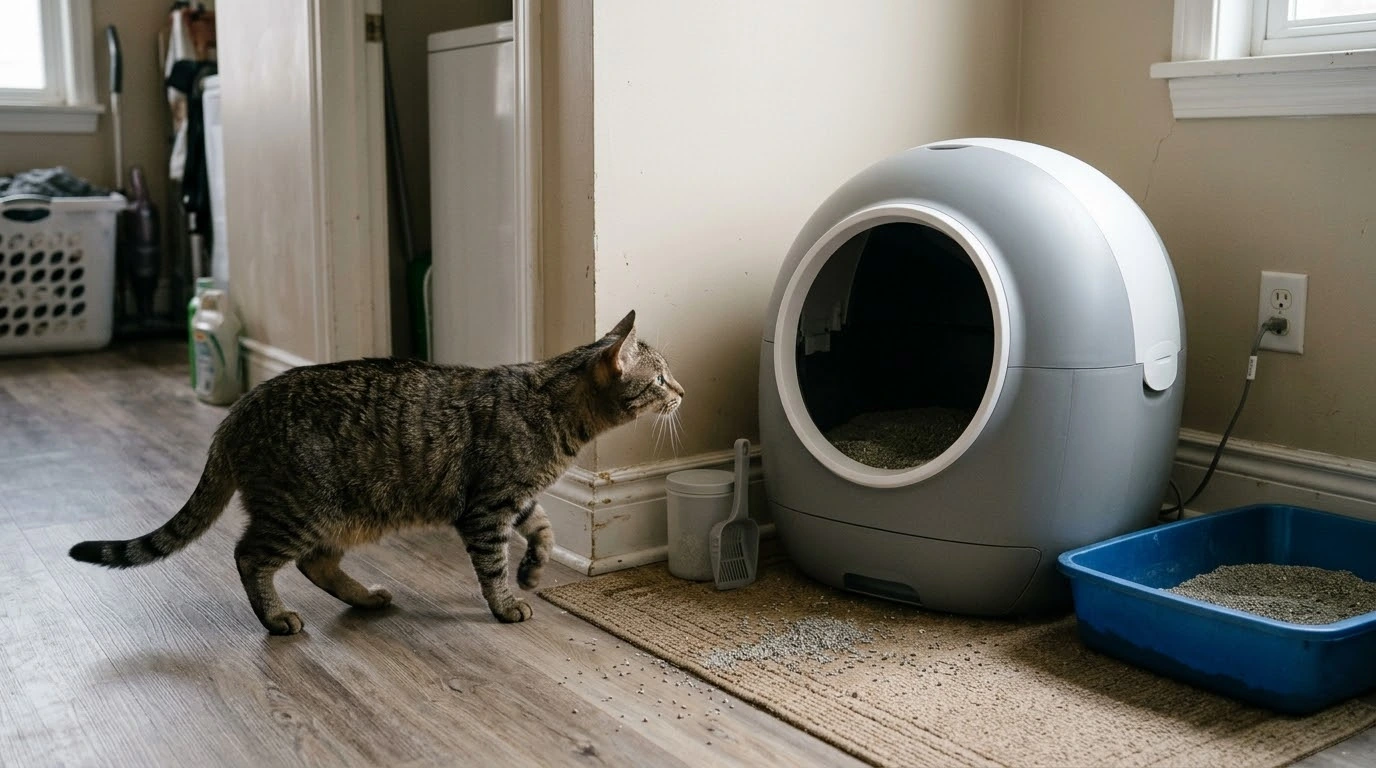
A self-cleaning litter box can take some of the repetitive work out of caring for your cat while helping you keep a more consistent routine. Our Ultimate Self-Cleaning Cat Litterbox is an option for households looking to simplify litter-box upkeep, and it is priced at $199.99. For more guidance, see Best Cat Litter Boxes.
Self-cleaning does not mean hands-off, though. You’ll still need to check the box, replenish litter, and clean it as directed. A thoughtful setup and a gradual introduction can also make a difference in whether your cat feels comfortable using it. For further reading, see Best Automatic Cat Litter Box – Action Network.
A cleaner routine starts with the right setup
Between work, errands, and everything else on your schedule, it’s easy for litter-box chores to become one more task competing for your attention. A self-cleaning option can make daily upkeep feel more manageable, while regular checks help you stay involved in your cat’s care.
Our Ultimate Self-Cleaning Cat Litterbox is designed for shoppers who want a simpler litter routine without giving up oversight. Before ordering, visit the product page to confirm current availability and review the specifications that matter for your home.
Consider your cat’s habits as well as your own. A convenient location for you should also feel safe and accessible to your cat. If your cat is sensitive to changes, plan for a transition period rather than expecting an immediate switch.
Make room for your cat
Choose a quiet spot where your cat can approach and leave comfortably. Keep the box away from food and water, and avoid busy passageways or places where a sudden noise might make your cat reluctant to use it. The location should also be easy for you to reach for routine checks.
Before settling on a spot, check the box’s dimensions, power requirements, and litter compatibility. Allow enough surrounding space for access and maintenance, rather than fitting the box tightly into a corner. Consider your cat’s preferences, too: a litter that works with the box still needs to be one your cat will use.
If you have more than one cat, a single box may not meet everyone’s needs. Cats can have different preferences, and one may be reluctant to share or may block another’s access. Our team recommends considering multiple accessible boxes in separate locations when planning a multi-cat setup. Cornell Feline Health Center’s guidance on house soiling offers more information about litter-box placement and preferences.
Litter-box setup checklist
| Consideration | What to look for |
|---|---|
| Location | A quiet, accessible spot away from food and water |
| Space | Room for the box and comfortable cat access |
| Litter | Compatibility with the box and your cat’s preferences |
| Household | Enough litter boxes for the number of cats |
Help your cat adjust
A new litter box can look, sound, or feel unfamiliar, so give your cat time to investigate. If practical, place the new box near the existing one at first. Let your cat approach it at their own pace instead of putting them inside or trying to force an introduction.
Keep the familiar box available throughout the transition. Your cat may need time to become comfortable with the new setup, and an accessible alternative helps avoid making the change stressful. Continue caring for both boxes while you observe which one your cat uses.
Follow the product instructions for setup and use. Once your cat is using the new box comfortably, you can decide how to adjust the rest of your litter-box arrangement while keeping your household’s needs in mind.
Keep up with everyday care
A simpler routine still includes regular attention. Check the box regularly, replenish litter as needed, and clean the box according to the product instructions. Make these checks part of a routine you already have, such as feeding your cat, so they’re easier to remember on busy days.
Checking the litter box also gives you an opportunity to notice changes in your cat’s bathroom habits. A sudden change in use or signs of discomfort can be important, even if the box itself appears to be working normally. Contact your veterinarian if your cat suddenly avoids the box or shows signs of discomfort.
Pay attention to the area around the box, too. Keeping the approach clear and the surrounding floor tidy makes the space easier for both you and your cat to use.
Create a comfortable cat corner
Your cat’s litter area and resting area serve different purposes, so give each its own space. A separate, quiet resting spot away from the litter box can provide a comfortable place to settle without putting the bed next to bathroom traffic.
For a complementary addition, explore our Cozy Cartoon Cat Cave Bed for Kittens. Place it somewhere your cat can relax, while keeping the route to the litter box open and easy to navigate.
FAQ
Does a self-cleaning litter box need regular maintenance?
Yes. Check it regularly, replenish litter as needed, and clean it according to the product instructions.
How can I introduce my cat to a new litter box?
Place it near the familiar box and let your cat investigate at their own pace. Keep the old box available during the transition.
Can a self-cleaning litter box be used in a multi-cat home?
It may be an option, but consider each cat’s needs and whether your household has enough accessible litter boxes. Some households may need more than one box.
Recommended for you

Was this article helpful?
Yes
No









Leave a comment