-
Shop
- Adidas
- Advanced Technologies
- Armani
- Bags
- Best-Sellers
- Birkenstock
- Boss
- Calvin Klein
- Car Accessories
- Crocs
- Dating & Social Skills
- Digital Resources
- Budgeting & Saving
- Emotional Intelligence
- Entrepreneurship & Business Growth
- Financial Independence
- Financial Mindset & Psychology
- Goal Setting
- Leadership
- Mindfulness
- Motivation
- Positive Thinking
- Productivity
- Self Confidence
- Sleep Improvement
- Stress Management & Relaxation
- Yoga & Mind-Body Practices
- Dr. Martens
- Drones
- Education & Learning
- Family & Parenting
- Fashion
- Fashion Accessories
- Financial Education
- Furniture
- Gadgets
- Health & Beauty
- Health & Wellness
- Home & Garden
- Home Decor
- Home Supplies
- Kids & Babies
- Lighting
- Massagers
- Mindset
- New Balance
- Nike
- Patio, Lawn & Garden
- Personal Growth
- Pet Care
- Pet Supplies
- Pets
- Shoes
- Sport & Outdoors
- Summer 2025 Fashion Collection
- Sunglasses
- Super Deals
- Timberland
- Tommy Hilfiger
- Travel
- Vans
- Wealth
- Winter Fashion
- Women’s Wellness & Lifestyle
- YouTube Shorts Best-Sellers
Sleep Sanctuary: Gentle Meditation for Deeper Rest
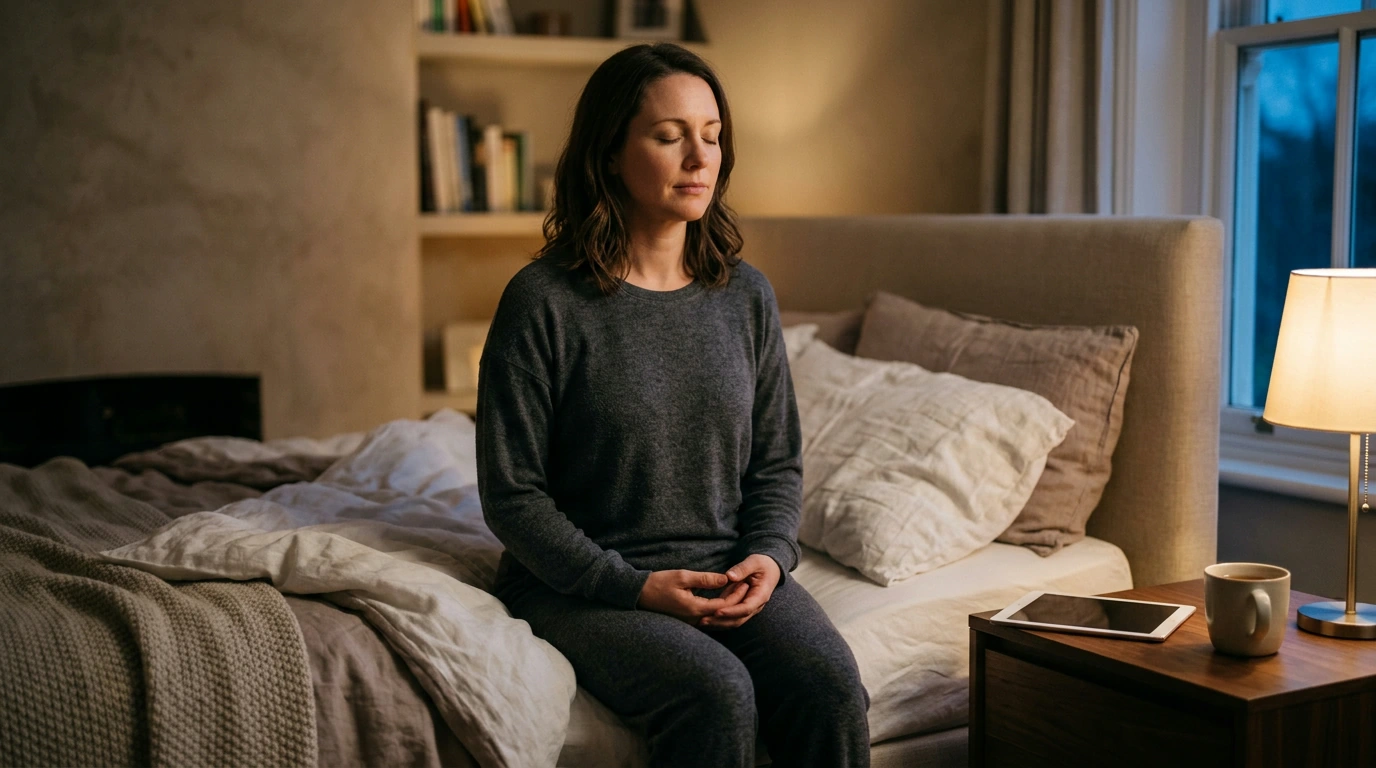
Sleep Sanctuary: A Mindful Guide to Meditation for Deep Rest & Healing
Better sleep rarely comes from trying harder—it comes from feeling safer, softer, and more settled in body and mind. Our team created Sleep Sanctuary: A Mindful Guide to Meditation for Deep Rest & Healing (digital guide + bedtime checklist) to turn the last minutes of your day into a steady landing: simple meditation guidance, gentle nervous-system cues, and a clear bedtime checklist that makes rest feel doable again. If you want calmer nights, fewer racing thoughts, and a more comforting rhythm at bedtime—without complicated routines or perfection—this guide is designed for you.
What “Sleep Sanctuary” is designed to do
- Create a repeatable wind-down pathway that signals “it’s safe to rest” to the mind and body.
- Reduce mental noise at bedtime with guided focus points and grounding prompts.
- Support emotional unwinding after stressful days through gentle, non-striving meditation approaches.
- Offer a bedtime checklist that removes guesswork and decision fatigue late at night.
- Help build consistency: short practices you can repeat even on low-energy evenings.
Mindfulness and meditation are widely used to support stress reduction and relaxation, and many people find that calmer nervous-system states translate into easier sleep onset. If you want a research-informed overview of mindfulness, you can read the American Psychological Association’s summary here: https://www.apa.org/topics/mindfulness/meditation.
Who this guide fits best
- Light sleepers who feel “tired but wired” at night.
- Anyone who spirals into planning, replaying, or worry loops when the lights go out.
- People healing from burnout or emotional overload who need a kinder evening routine.
- Meditation beginners who want clear steps instead of lengthy theory.
- Experienced meditators who want a sleep-specific structure and an easy checklist to follow.
A simple bedtime flow (no overhaul required)
You don’t need a brand-new lifestyle to sleep better. The goal is a repeatable sequence that your body starts recognizing as “we’re safe; we’re done for today.” Here’s a minimal flow you can keep consistent:
Quick guide: match the practice to the kind of restless night
| If the night feels like… | Try this focus | A gentle cue to repeat |
|---|---|---|
| Racing thoughts and planning | Breath counting or labeling thoughts (“thinking”) | “Not now—tomorrow.” |
| Tension in shoulders, jaw, or chest | Body scan from forehead to feet | “Soften where possible.” |
| Emotional heaviness or overwhelm | Hand-on-heart breathing + compassion phrase | “May I be at ease.” |
| Frequent wake-ups | Micro-meditation: 5 slow breaths, then body scan | “Back to the breath.” |
For a sleep-specific look at meditation approaches (including gentle breath and body practices), the Sleep Foundation’s overview is a helpful reference: https://www.sleepfoundation.org/sleep-hygiene/meditation-for-sleep.
What’s inside the digital guide + bedtime checklist
Sleep Sanctuary is built for real nights—especially the ones where you’re exhausted, but your mind keeps scanning and solving. Inside, you’ll find:
If you like to understand the broader safety and effectiveness landscape for meditation, the National Center for Complementary and Integrative Health has a clear overview: https://www.nccih.nih.gov/health/meditation-and-mindfulness-effectiveness-and-safety.
How to use Sleep Sanctuary in real life (3 gentle options)
Pair it with a sleep-friendly space
- Keep bedtime cues consistent: similar lighting, similar sounds, similar timing—small rituals teach your body what’s next.
- Add comfort where it counts: bedding, temperature, and tactile softness can support your mind in letting go.
- If pets share your bedroom: give them a cozy, defined sleep spot so nighttime movement is less disruptive. Our team likes simple solutions like the Cozy Cartoon Cat Cave Bed for Kittens to create a predictable “pet settles here” cue.
- Limit “sleep interruptions”: pre-set water, lip balm, and anything you might need so your brain can stop scanning for unmet needs.
Small, practical add-ons you can keep in the nightstand
Our team keeps bedtime routines simple: the fewer late-night decisions you have to make, the easier it is to stay in a sleepy state. Along with Sleep Sanctuary, these in-stock picks can support a “soft landing” routine (without turning bedtime into a project):
- Sleep Sanctuary: A Mindful Guide to Meditation for Deep Rest & Healing (digital guide + bedtime checklist): a repeatable meditation pathway and checklist you can return to on autopilot.
- Cozy Cartoon Cat Cave Bed for Kittens: a dedicated pet sleep space that can reduce midnight repositioning and rustling near your pillow.
FAQ
Is this guide suitable for beginners who have never meditated?
Yes. We designed Sleep Sanctuary to be beginner-friendly with clear steps and simple anchors like breath and body sensations, and you’ll still benefit even if you only do the shortest practices on low-energy nights.
How long does it take to notice a difference in sleep?
Some people feel calmer right away after the first wind-down, but steadier sleep changes usually come from repeating the same cues consistently. Give it 1–2 weeks of regular use to let your nervous system learn the pattern.
Can this help if waking up at night is the main issue?
Yes. When you wake up, use a micro-practice (like five slow breaths or a quick body scan) and return to one anchor rather than problem-solving. Keep lights low, skip screens, and repeat the same cue each time to reduce mental reactivation.
Recommended for you


Was this article helpful?
Yes
No









Leave a comment