Mesh Car Side Window Sun Shade Curtain: Cooler Rides
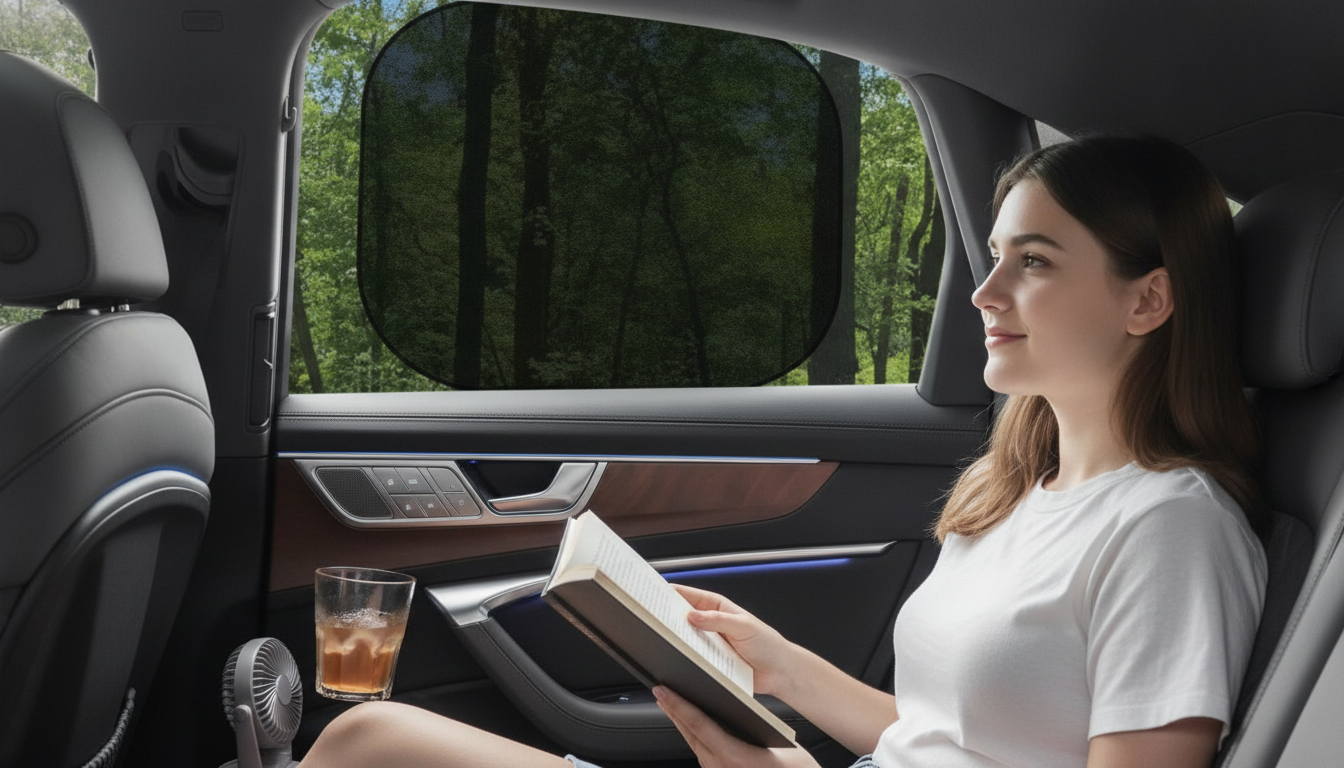
Car Side Window Sun Shade Mesh Curtain for Cooler, More Comfortable Rides
A breathable mesh curtain for car side windows helps cut glare, reduce heat buildup, and add privacy—without fully blocking visibility. It’s a simple upgrade that can make everyday driving feel less harsh, especially when the sun hits from one side for hours. Below is a practical guide to what a mesh side-window curtain does, when it helps most, how to use it safely, and what to look for so it fits and stays put.
What a mesh side-window curtain does
Unlike solid shades that can make the cabin feel boxed in, a mesh curtain is designed to filter light while still letting you see shapes and movement outside. That balance matters for comfort and for avoiding a “closed” feeling in the back seat.
- Filters harsh sunlight to reduce glare on passengers, especially on long daytime drives.
- Helps lower perceived cabin heat near the door-side seating area by shading direct rays.
- Adds daytime privacy while keeping the cabin from feeling closed-in.
- Can make naps easier for kids and adults by dimming side light without turning the car dark.
- Works well for ride-share, commuting, school runs, and road trips.
It’s also worth remembering that sunlight includes UV radiation. Even when the cabin doesn’t feel “hot,” UVA can still pass through glass and contribute to skin exposure over time. For a deeper overview, see the Skin Cancer Foundation’s UV radiation guide.
When it’s most useful
Side sun is often the most annoying kind—bright, low-angle, and persistent. A mesh curtain shines in situations where one window is consistently blasted while the rest of the cabin feels fine.
- Rear seat: keeps sun off children and reduces squinting and irritation from side glare.
- Front passenger side: more comfort during afternoon sun exposure on one side of the car.
- City parking: reduces sun load when parked briefly, especially if the sun hits one side window.
- Trips with pets: helps keep a calmer space by limiting bright side light and outside distractions.
- Beach, desert, and high-altitude driving: stronger sunlight makes side shading more noticeable.
If you do quick stops with kids or pets, a shade can reduce direct rays, but it doesn’t make a parked car safe. Heat can rise rapidly even on mild days—review the NHTSA hot car safety guidance for essential precautions.
Fit and compatibility basics
Most “it didn’t work” complaints come down to sizing and window shape, not the idea itself. Before buying, measure the visible glass area (not the whole door), and pay attention to curves, trim, and how often you crack the window.
- Measure the visible glass area of the side window (not the whole door) before buying.
- Consider window shape: sedans, SUVs, and hatchbacks often have different rear window contours.
- Check clearance for door frames, trim, and child-seat positions so the shade doesn’t bunch or peel.
- Confirm whether the shade is intended for the rear side windows, front side windows, or both.
- If the window must be opened often, choose a setup that stays secure and doesn’t snag on seals.
Quick fit checklist for side-window mesh curtains
| Check | Why it matters | What to do |
|---|---|---|
| Glass width and height | A shade that’s too small leaves bright edges; too large wrinkles and falls | Measure the window’s glass area and compare to the product’s stated sizing |
| Window shape (rounded vs. square corners) | Corners can lift if the shade doesn’t match the curve | Look for flexible edges and allow a small margin for curves |
| Door operation and trim | Loose edges can catch when opening/closing doors | Test placement with the door opened and closed before final positioning |
| Passenger needs | Kids may need darker shade; adults may prefer more visibility | Choose mesh density that balances shade and outward view |
| Ventilation habits | Frequent cracked windows can reduce stability | Confirm the curtain can stay in place with limited window opening (if needed) |
Comfort and safety considerations
How to install and use it day to day
Featured options for everyday sun comfort
Car Side Window Sun Shade Mesh Curtain
The Car Side Window Sun Shade Mesh Curtain is designed to provide side-window shading with breathable mesh for everyday comfort. It’s a practical add-on for families, commuters, and anyone who regularly deals with strong side sun, offering reduced glare while keeping outward visibility more natural than solid covers. It’s also a budget-friendly comfort upgrade when you want relief without changing window tint.
Calvin Klein Retro Square Sunglasses with Dark Lenses
For bright driving conditions where glare is the bigger issue than cabin heat, Calvin Klein Retro Square Sunglasses with Dark Lenses can complement a side-window shade by reducing eye strain and helping you stay more comfortable during sunny commutes.
Care, storage, and longevity
FAQ
Can a mesh side-window curtain be used while driving?
Yes, it can be used on passenger windows as long as it doesn’t obstruct the driver’s visibility, mirrors, or safe operation. Double-check placement after installation and follow any local rules about window coverings.
Does a mesh curtain fully block UV and heat?
No. It reduces direct sunlight and glare and can improve comfort, but it won’t eliminate UV exposure or cabin heat entirely. Performance depends on sun angle, your vehicle’s glass, and the mesh density.
Will it work on curved rear side windows?
Often it will, but fit varies by vehicle. Measuring the glass area and choosing a design with flexible edges helps it conform better to rounded corners and reduces corner lift.









Leave a comment