Large Stainless Steel Dog Water Fountain for Busy Homes
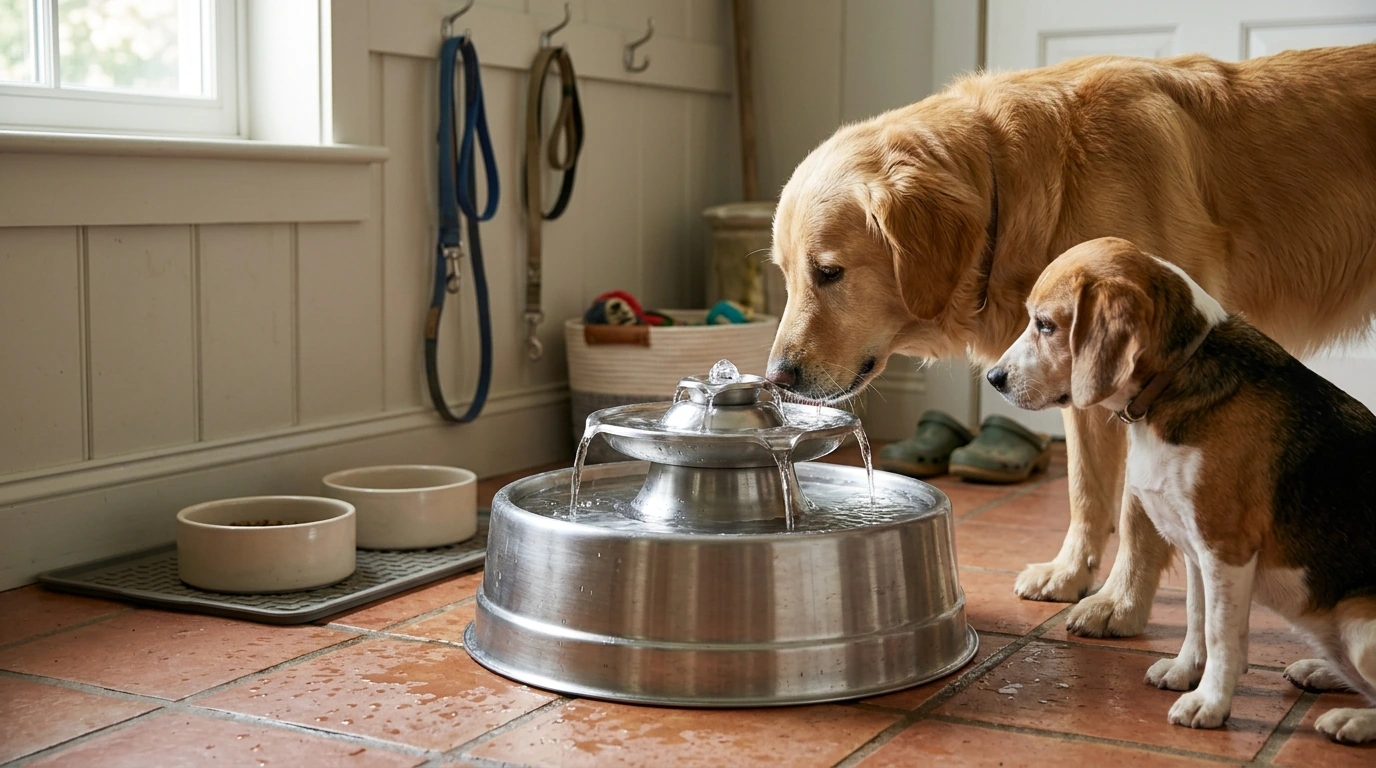
Large Stainless Steel Dog Water Fountain: Clean Hydration for Busy Homes
A stainless steel dog water fountain helps keep water fresher, encourages steady drinking, and reduces the daily cycle of dumping and refilling bowls. It’s an especially practical upgrade in multi-pet households or for larger dogs that empty standard bowls quickly. Below is what to look for in a stainless steel fountain, why circulation matters, and how to set up a routine that keeps the water station clean, quiet, and dependable.
Why Stainless Steel Makes Sense for Daily Drinking
Stainless steel is a go-to material for pet water stations because it’s built for repeated use and straightforward cleaning. Unlike many plastic options, stainless steel has a naturally non-porous surface that helps reduce odor and residue buildup over time. That matters in real homes where water bowls collect drool, dust, and bits of kibble throughout the day.
Many pet parents also prefer stainless steel for pets with sensitivities, since it avoids the micro-scratches that can hold grime and smells. When it’s time to sanitize, stainless steel typically tolerates common pet-safe cleaning routines without absorbing odors or discoloring easily. It also holds up well in high-traffic spots like kitchens, mudrooms, and feeding stations where bumps, splashes, and frequent handling are part of the routine.
How a Water Fountain Encourages Better Hydration
Some dogs are simply more interested in moving water than still water. A fountain’s gentle stream can prompt more frequent, smaller sips—useful for pets that tend to “forget” to drink until they’re very thirsty. Continuous circulation also helps keep water from tasting stale between refills, which can make the station more appealing late in the day.
Many fountains include filtration, which may reduce the debris that can end up in open bowls, such as hair and dust. This can be helpful for households where water sits out for long periods while people are at work, kids are at school, or daily schedules run long. For general pet care guidance—including hydration habits and when to check in with a veterinarian—AVMA resources are a solid reference: https://www.avma.org/resources/pet-owners.
Large-Capacity Fountain Benefits for Big Dogs and Multi-Pet Homes
Capacity is where a fountain can really change day-to-day life. Larger reservoirs can mean fewer refills, especially for big dogs that can drain a standard bowl surprisingly fast. In multi-pet homes, a bigger fountain helps maintain consistent access even if pets drink back-to-back.
Quick comparison: stainless steel fountain vs. standard bowl
| Feature | Stainless Steel Fountain | Standard Water Bowl |
|---|---|---|
| Water freshness over time | Circulation helps reduce “stale” taste; may include filtration | Water can sit still for hours; debris settles in |
| Cleaning routine | More parts (pump/filter) but stainless surfaces sanitize well | Fewer parts; easier daily rinse but may need frequent full scrubs |
| Refill frequency | Often less frequent with larger reservoirs | Depends on bowl size; can run empty quickly with big dogs |
| Encourages drinking | Moving water can attract some pets | Some pets drink fine; others are less interested |
| Durability | Stainless steel resists scratches and odors | Varies by material; plastic can scratch and hold odors |
What to Look for in a Stainless Steel Dog Water Fountain
Noise is another everyday factor. A quieter pump with minimal vibration is easier to keep in an open-plan home and less disruptive at night. Also check the filter type and availability: replacement timing varies, and it’s best when filters are easy to source. Finally, prioritize ease of cleaning—removable parts, fewer tight corners, and an accessible pump housing make weekly maintenance far more realistic. For general cleaning principles and routines, the CDC’s overview is helpful: https://www.cdc.gov/hygiene/cleaning/index.html.
Large Stainless Steel Dog Water Fountain: What Stands Out
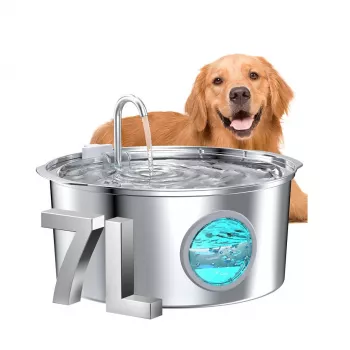
It also works well as a primary water source in a consistent location—like a kitchen corner, mudroom, or laundry room—where pets can find it easily and you can keep the cord tidy. For a sturdy, wipe-friendly option designed for heavier daily use, see the Large Stainless Steel Dog Water Fountain.
Setup Tips: Placement, First Run, and Helping a Dog Adjust
Cleaning and Maintenance Routine That Prevents Slime and Odor
If you have hard water, mineral scale can build up on internal parts. Using filtered water can help, and occasional descaling with pet-safe methods followed by very thorough rinsing keeps flow strong. For background on food-contact materials and safety context, FDA information can be a useful starting point: https://www.fda.gov/food/packaging-food-contact-substances-fcs.
Safety and Practical Considerations
Recommended Picks for a Multi-Pet Routine
- Large Stainless Steel Dog Water Fountain — A sturdy, large-capacity option suited for big dogs and busy homes that want fewer refills.
- Cozy Cartoon Cat Cave Bed for Kittens — A simple add-on for multi-pet households to help cats settle away from the water station area.
FAQ
How often should a stainless steel dog water fountain be cleaned?
Daily, top off with fresh water and wipe visible drool or debris. Weekly, wash the stainless steel parts and clean the pump/impeller area; replace filters on the schedule recommended for your model (often every 2–4 weeks), cleaning more often with multiple pets, warm rooms, or heavy drool.
Is stainless steel better than plastic for a dog water fountain?
Stainless steel is non-porous, tends to resist odors, and is easier to sanitize thoroughly, which can help keep the station fresher. Material helps, but overall design and consistent cleaning matter just as much for water quality.
Why is my dog’s water fountain getting noisy or the flow is weak?
Common causes include a low water level, a clogged or overdue filter, hair trapped in the pump/impeller, or mineral scale from hard water. Refill to the proper level, swap the filter if needed, and clean the pump components to restore quieter operation and stronger flow.








Leave a comment