Hybrid Audiophile IEMs: Fit, Tuning, and Daily Comfort
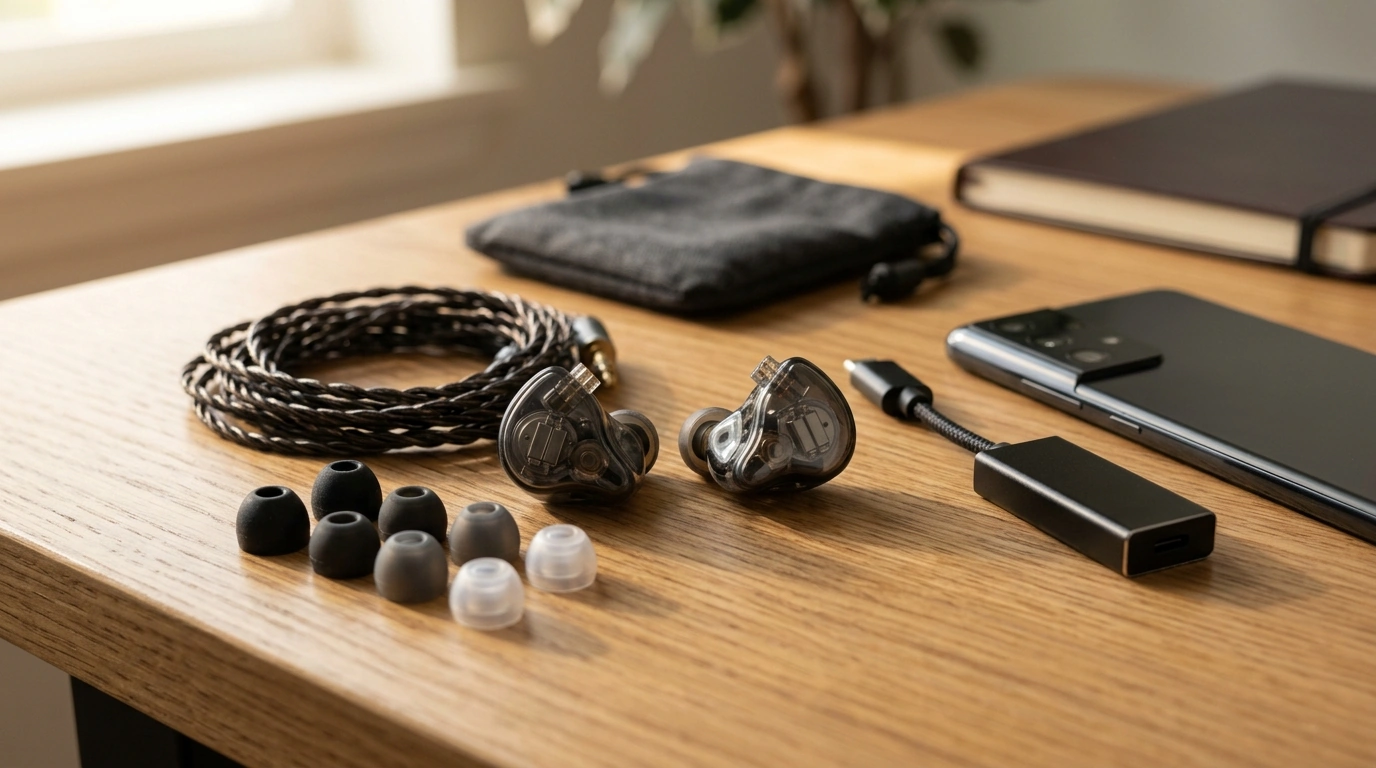
Hybrid Audiophile IEMs: Detailed Sound, Comfort, and Daily Use
Hybrid in-ear monitors (IEMs) pair different driver types to balance punchy bass, articulate mids, and crisp treble in a compact, portable form. Done well, a hybrid set can sound both powerful and precise—great for commuting, desk listening, and travel—without forcing a “one-size-fits-all” sound. The key is understanding how the drivers work together, how tuning choices shape what you hear, and why fit is often the deciding factor between “pretty good” and “wow.” For more guidance, see Rhapsodio Zombie MK8 Review: Hybrid revolution.
What “Hybrid” Means in an IEM
Most hybrid IEMs combine a dynamic driver (DD) for low frequencies with balanced armatures (BAs) handling midrange and treble detail. Some hybrids add electrostatic/electret (EST) drivers for extra upper-treble extension, or planar elements for separation and smoothness. The goal isn’t just “more drivers”—it’s using the right motor for the right job. For further reading, see ISN T-OCC Triple Copper Hybrid Audiophile IEM Cable.
Just as important as the driver lineup is the crossover (how the IEM divides the spectrum between drivers) and the acoustic chamber design. A well-integrated hybrid should present music as one cohesive sound source, with stable imaging and smooth transitions across bass, mids, and treble.
Driver Types Commonly Found in Hybrid IEMs
| Driver type | Typical strengths | Typical trade-offs | Best for |
|---|---|---|---|
| Dynamic (DD) | Natural bass slam, realistic decay | Can sound slower or less resolving if poorly damped | Hip-hop, EDM, rock, live recordings |
| Balanced armature (BA) | Fast transients, clear mids/treble detail | Can sound “dry” or peaky if tuned aggressively | Vocals, acoustic, detail-focused listening |
| Electrostatic / electret (EST) | Airy upper treble, perceived openness | Needs careful integration; may add brightness | Cymbals, micro-detail, spaciousness |
| Planar | Even response, good separation | Can be power-hungry; bass “feel” varies by model | Complex mixes, instrument separation |
Sound Signature: Choosing a Tuning That Fits the Library
Hybrid IEMs come in a wide range of tunings. Picking the right target sound matters more than chasing specs, because a tuning that matches your listening habits will feel “right” at safer, lower volumes.
- Balanced / neutral-leaning: Controlled bass with clean mids. This is a dependable all-round tuning for mixed genres and long sessions.
- Warm / bass-boosted: Extra sub-bass and thicker note weight can make music more satisfying on trains, buses, or busy streets.
- Bright / detail-forward: Emphasized upper mids/treble for clarity and edge definition. Best paired with careful tip selection and moderate volume.
Whatever the profile, listen (or look for reviews) for smooth transitions from bass-to-mids and mids-to-treble. If the crossover is off, hybrids can sound like separate parts—thumping bass “down low” with disconnected vocals or a treble “spotlight” that feels detached from the rest of the mix.
Fit, Seal, and Comfort: The Biggest “Upgrade” Many People Miss
Fit is the performance multiplier. A secure seal determines bass response and perceived balance; even a small leak can remove sub-bass, thin out vocals, and make treble feel sharper than it really is. If an IEM seems bright or “light,” confirm the seal before blaming the tuning.
Eartips: Small Change, Big Difference
- Silicone tips: Clear, lively sound and easy cleaning. Great for daily use if isolation is sufficient.
- Foam tips: Better isolation with a softer treble edge. Often helpful for long flights, subway rumble, or treble-sensitive listeners.
- Hybrid tips: A middle ground that aims for stability, comfort, and balanced tonality.
Nozzle length and angle also affect stability. For walking and commuting, prioritize an ergonomic shell that stays put without constant readjustment. Comfort supports consistent listening—and consistent listening supports safer volumes.
Source Pairing: Phone, Dongle DAC, DAP, or Desktop
Many hybrids are easy to drive, but sensitivity and impedance still influence real-world performance. Very sensitive IEMs can reveal hiss on noisy outputs, especially at low listening levels.
EQ is a practical tool for hybrids: a gentle sub-bass shelf can add weight without muddying mids, and a small dip in the treble “hot spot” can reduce fatigue while preserving detail. For measurement context and how IEM rigs are standardized, see IEC 60318-4. For research-driven discussion of listener preferences, Sean Olive’s summaries are a useful reference point: Harman headphone preference research.
Daily Use Considerations: Isolation, Cables, and Durability
Spotlight: Hybrid Audiophile IEMs
If the goal is impactful bass plus fine detail retrieval for busy, layered tracks, Hybrid Audiophile IEMs are a strong premium-style option to consider. The hybrid approach aims to keep low end physical and satisfying while letting vocals and cymbals remain distinct and easy to follow.
For commuters building a compact everyday carry, pairing audio with practical travel accessories can round out the kit—like Calvin Klein Retro Square Sunglasses with Dark Lenses for bright platforms and long walks.
Quick Checklist Before Buying
| Priority | What to check | Why it matters |
|---|---|---|
| Bass quality | Sub-bass reach + mid-bass control | Prevents boominess and keeps vocals clean |
| Vocal clarity | Upper-mid smoothness (no shout) | Reduces fatigue and keeps dialogue intelligible |
| Treble comfort | Presence without sharp peaks | Maintains detail while avoiding sibilance |
| Fit | Nozzle length/angle + tip options | A stable seal locks in the intended tuning |
FAQ
Do hybrid IEMs always sound better than single-driver models?
No. Driver count and driver types don’t guarantee quality—tuning, crossover design, and fit determine coherence, tonal balance, and how “detailed” a set actually sounds.
What is the main advantage of a dynamic driver in a hybrid IEM?
A dynamic driver typically delivers deeper sub-bass extension and more physical impact with a more natural bass decay. With good damping and tuning, that bass can stay tight while still feeling powerful.
How can harsh treble be reduced without losing detail?
Try foam tips or a narrower-bore silicone tip, verify you have a consistent seal, and listen at a slightly lower volume. If needed, apply a small EQ dip in the harsh region rather than broadly cutting treble.











Leave a comment