-
Shop
- Adidas
- Advanced Technologies
- Armani
- Bags
- Best-Sellers
- Birkenstock
- Boss
- Calvin Klein
- Car Accessories
- Crocs
- Dating & Social Skills
- Digital Resources
- Budgeting & Saving
- Emotional Intelligence
- Entrepreneurship & Business Growth
- Financial Independence
- Financial Mindset & Psychology
- Goal Setting
- Leadership
- Mindfulness
- Motivation
- Positive Thinking
- Productivity
- Self Confidence
- Sleep Improvement
- Stress Management & Relaxation
- Yoga & Mind-Body Practices
- Dr. Martens
- Drones
- Education & Learning
- Family & Parenting
- Fashion
- Fashion Accessories
- Financial Education
- Furniture
- Gadgets
- Health & Beauty
- Health & Wellness
- Home & Garden
- Home Decor
- Home Supplies
- Kids & Babies
- Lighting
- Massagers
- Mindset
- New Balance
- Nike
- Patio, Lawn & Garden
- Personal Growth
- Pet Care
- Pet Supplies
- Pets
- Shoes
- Sport & Outdoors
- Summer 2025 Fashion Collection
- Sunglasses
- Super Deals
- Timberland
- Tommy Hilfiger
- Travel
- Vans
- Wealth
- Winter Fashion
- Women’s Wellness & Lifestyle
- YouTube Shorts Best-Sellers
Healthy Eating eBook: Meal Plans, Easy Recipes + AI
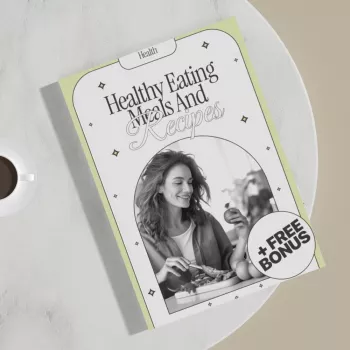
Healthy eating that fits your actual week
Healthy eating gets easier when planning stops feeling like a second job. Our team created the Healthy Eating Meals and Recipes eBook (Digital Download) to help you move from “What’s for dinner?” to a clear, repeatable plan—without perfectionism, complicated rules, or a fridge full of one-off ingredients you never finish.
This guide is built around flexible meal-plan structures, straightforward recipes, and AI-assisted planning workflows you can reuse whenever life gets busy. If you want meals that feel balanced and satisfying (not restrictive), you’ll find a system you can keep running—even when your schedule changes midweek.
What this guide helps solve (without turning food into a project)
- Decision fatigue: You get structured meal-plan templates that you can reuse week after week, so you’re not reinventing dinner every Sunday.
- Balanced nutrition without obsessing: We center meals on the building blocks that matter—protein, fiber-rich carbs, colorful produce, and healthy fats.
- Consistency for real schedules: Mix-and-match options for breakfast, lunch, dinner, and snacks keep you steady on busy days.
- Less waste: The planning style encourages ingredient overlap across multiple meals, so groceries actually get used.
- Approachable cooking: Clear steps and familiar flavors work for beginners and confident home cooks alike.
What’s inside the Healthy Eating Meals and Recipes eBook
- A recipe collection designed around everyday ingredients and manageable cook times
- Done-for-you meal plan structures you can adjust for household size, preferences, and your calendar
- Guidance for building balanced plates so meals feel satisfying and steady
- Shopping and prep flow that supports busy weekdays (not aspirational cooking marathons)
- AI meal-planning tools: prompts and workflows to generate weekly menus, grocery lists, and recipe variations based on what you already have
If you like evidence-based nutrition frameworks, you can also compare our “balanced plate” approach with resources like USDA MyPlate and the Harvard Healthy Eating Plate.
A simple method for balanced meals (the “build-a-plate” approach)
When you’re tired, busy, or short on inspiration, a reliable formula beats a complicated recipe hunt. We use a “build-a-plate” approach so you can assemble meals from repeatable components:
- Protein anchor: beans/lentils, eggs, poultry, fish, tofu, yogurt, lean meats, or your preferred options
- Fiber-forward carbs: oats, brown rice, quinoa, whole-grain pasta, potatoes, or fruit
- Vegetables as the volume: aim for variety and color across the week (fresh, frozen, and canned all count)
- Healthy fats: olive oil, avocado, nuts/seeds, tahini, and other preferred fats for satiety and flavor
- Flavor shortcuts: spice blends, citrus, garlic, herbs, salsa, yogurt-based sauces—fewer steps, bigger payoff
Balanced Meal Builder (Quick Reference)
| Base | Choose 1–2 options | Easy upgrades |
|---|---|---|
| Protein | Eggs, beans, lentils, chicken, fish, tofu, yogurt | Batch-cook once; repurpose into bowls, salads, wraps |
| Fiber-rich carbs | Oats, quinoa, brown rice, potatoes, whole grains, fruit | Cook extra for next-day lunches |
| Vegetables | Leafy greens, cruciferous veg, peppers, tomatoes, frozen mixes | Roast a sheet pan; add to multiple meals |
| Healthy fats | Olive oil, nuts/seeds, avocado, tahini | Use a simple dressing/sauce to tie meals together |
How to use the AI meal-planning tools (fast, flexible, and realistic)
The AI tools in the eBook are meant to save time, not add complexity. You’ll start with boundaries, generate a draft, and then quickly edit it to fit your week.
- Set the week’s boundaries: how many meals you’ll cook, your busiest days, dietary preferences, and any must-use ingredients.
- Generate a draft menu: create a 5–7 day plan that repeats ingredients to keep shopping simple.
- Refine for practicality: swap anything too complex, too time-consuming, or hard to shop for.
- Create a consolidated grocery list: group by section (produce, protein, pantry, dairy/alternatives) with quantities for your household.
- Plan prep in 30–60 minutes: prep 2–3 components once (grain, chopped veg, a protein) that support multiple meals.
Sample weekly structure (designed to stay consistent)
Consistency usually comes from repetition in the right places. Instead of trying to cook something new every day, we recommend a structure that intentionally reuses components.
- Pick 2–3 “anchor” breakfasts that repeat to simplify mornings.
- Plan 3 core dinners and cook extra for lunches.
- Use one “assembly night” (salad bar, grain bowls, wraps) to cut midweek cooking load.
- Keep 2–3 balanced snack defaults ready (fruit + nuts, yogurt + berries, hummus + veg).
- Build in flexibility: one leftovers/pantry night keeps the plan from breaking.
Who this digital download is made for
Getting started after purchase (quick setup)
More in-stock picks from our store
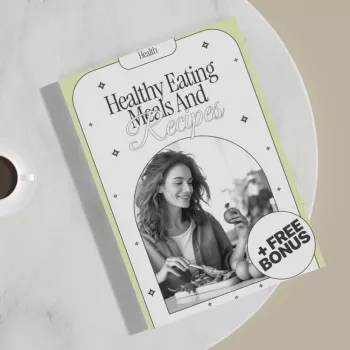
- Healthy Eating Meals and Recipes eBook | Digital Download Guide with Meal Plans, Easy Recipes, and AI Meal Planning Tools for Balanced Nutrition
- Calvin Klein Retro Square Sunglasses with Dark Lenses
- IPL Eye Beauty Device with Three-Color Light & Vibration
FAQ
Is this eBook a physical product or a digital download?
This is a digital download, so nothing ships to you. After purchase, you’ll access the file digitally and can save it to your preferred device for easy reference while planning, shopping, and cooking.
Do the meal plans work if schedules change during the week?
Yes—our structure is built for flexibility with repeatable breakfasts, leftover-based lunches, and an “assembly night” that reduces cooking pressure. If your week shifts, you can swap dinner days or lean on leftovers without rebuilding the entire plan.
Do the AI meal-planning tools replace the recipes in the eBook?
No—the AI tools complement the guide by helping you generate variations, grocery lists, and weekly menus faster. The eBook provides the structure and recipe foundation so the output stays practical and balanced.
Recommended for you

Was this article helpful?
Yes
No









Leave a comment