DIY Lip Scrubs: 5 Gentle Recipes for Smooth Lips
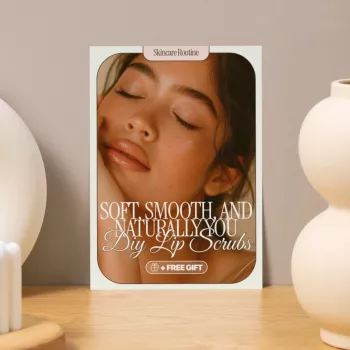
Soft, Smooth, and Naturally You: DIY Lip Scrubs for Everyday Lip Care
Soft lips start with gentle exfoliation and smart moisture habits. A well-made lip scrub can lift flaky skin without irritation, helping balms and oils absorb better. Below are simple natural DIY lip scrub recipes, ingredient swaps for different needs, and a practical routine for keeping lips smooth year-round. For more guidance, see Natural Homemade Lip Scrub Recipe | How to Make Lip ….
Why Lips Get Dry and Flaky
Lip skin is unique: it has a thinner outer layer and fewer oil glands than most facial skin, so it loses moisture faster. When conditions are dry, windy, or cold, lips can’t “self-lubricate” the way other areas do.
Common triggers include cold wind, indoor heating, sun exposure, mouth breathing, dehydration, and licking lips. Licking feels soothing for a moment, but saliva evaporates quickly and can worsen dryness.
Some products can also push lips into a chapped cycle—especially fragranced lip items, strong mint or cinnamon flavorings, and certain matte long-wear formulas that cling to dry patches. If cracking is frequent, prioritize barrier repair and reduce exfoliation until tenderness settles. For dermatologist guidance on chapped lips, see the American Academy of Dermatology Association.
The Building Blocks of a Good DIY Lip Scrub
A good scrub is more about balance than “scrubbing power.” Aim for a gentle exfoliant plus a cushioning, oily or buttery base to reduce micro-tears.
Core ingredients
- Exfoliant: fine sugar (usually gentler than salt for lips), finely ground oats, or ultra-fine coffee for occasional use.
- Emollient base: honey, coconut oil, olive oil, jojoba oil, or shea butter to soften and cushion.
- Optional boosters: vitamin E (tocopherol), cocoa powder (for a naturally “chocolate” vibe), and a pinch of cinnamon only if you’re not sensitive (it can irritate).
Keep formulas simple to lower the chance of irritation—especially if your lips are reactive. Avoid essential oils on cracked lips; many are sensitizing and can sting.
Ingredient swaps by lip type and goal
| Goal / Lip Type | Exfoliant | Base | Helpful Add-Ins | Notes |
|---|---|---|---|---|
| Very sensitive or currently chapped | Finely ground oats or extra-fine sugar (minimal) | Honey or shea butter | Vitamin E | Use the lightest pressure; consider skipping exfoliation during active cracking |
| Everyday maintenance | Fine sugar | Coconut oil or jojoba oil | Honey | Rinse well and seal with an occlusive balm afterward |
| Stubborn flakes (occasional) | Fine sugar + tiny amount of coffee (optional) | Olive oil | A drop of glycerin | Limit to once weekly; discontinue if stinging occurs |
| Vegan preference | Fine sugar | Coconut oil or cocoa butter | Plant-based vitamin E | Choose unflavored, fragrance-free ingredients if reactive |
| Overnight softness | Fine sugar (very little) | Shea butter | Petrolatum-free balm topper (wax-based) | Focus on sealing moisture rather than aggressive scrubbing |
5 Natural Lip Scrub DIY Recipes (Small-Batch)
Make these in tiny batches so they stay fresh and you can adjust the texture as you learn what your lips like. A helpful trick: lightly dampen lips with warm water before applying to reduce friction.
1) Honey Sugar Softener
Mix: 1 tsp honey + 1 tsp fine sugar + 1/4 tsp oil. Massage in gentle circles for 10–20 seconds, rinse, then apply balm.
2) Coconut Vanilla Comfort
3) Oatmeal Calm Scrub
4) Cocoa Smooth Polish
5) Brown Sugar Shea Buff
How Often to Exfoliate and What to Do After
- Pressure: gentle circular motion; stop if burning, stinging, or redness appears.
- Rinse: use lukewarm water and pat dry—don’t rub with a towel.
- Seal immediately: apply a bland balm or ointment to lock in moisture (especially at bedtime).
- Daytime protection: choose a lip product with SPF when outdoors; sun exposure can worsen dryness and contribute to uneven tone. For sun-safety details, reference the Skin Cancer Foundation.
Storage, Hygiene, and Safety Checks
- Make small batches: enough for 1–2 weeks to keep ingredients fresh.
- Use clean tools: sanitize your container and avoid dipping wet fingers into the jar (a small spoon helps).
- Water-free mixes last longer: oil + sugar blends typically keep better than mixtures that get diluted with water during use.
- Skip exfoliation when needed: avoid scrubs if there are open sores, active cold sores, or significant cracking; focus on barrier repair instead. If you’re unsure when to avoid friction, see Cleveland Clinic’s overview of cold sores.
- Patch test: try new ingredients on the inner wrist or just under the lower lip line before regular use.
A Simple Lip Care Routine That Prevents Flakes
Morning
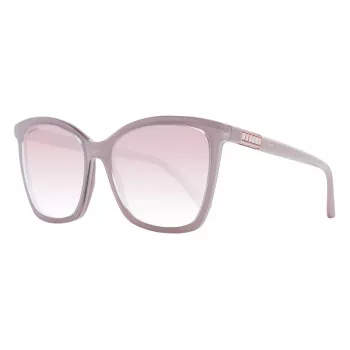
Rinse lips with water (no harsh cleanser needed), then apply a moisturizing balm. If you’ll be outside, layer SPF lip protection. Extra sun defense helps—pairing lip SPF with face protection and eyewear can reduce overall exposure; consider options like Calvin Klein Retro Square Sunglasses with Dark Lenses.
Midday
Night
Use a scrub only 1–2 times per week (or skip if tender), then apply a thicker layer of balm as an overnight mask. For a consolidated reference you can bookmark and revisit, see DIY Lip Scrubs | Natural Lip Scrub Recipes & Lip Care Guide.
Hydration and environment
Makeup tip for matte lipstick days
FAQ
Is sugar or salt better for a lip scrub?
Fine sugar is usually better because it’s gentler and dissolves more easily as you massage. Salt can sting and may feel too abrasive on lips, especially if they’re cracked or tender.
How do you make a lip scrub that won’t irritate sensitive lips?
Keep it minimal: use extra-fine sugar or finely ground oats with a soothing base like honey or shea butter, and skip essential oils or strong flavorings. Use very light pressure and moisturize immediately afterward.
Can a lip scrub help with dark or dull-looking lips?
Exfoliation can remove surface flakes and make lips look smoother and more even temporarily. Ongoing discoloration is often tied to sun exposure, irritation, or smoking, so daily SPF lip protection and gentle products matter more than frequent scrubbing.










Leave a comment