-
Shop
- Adidas
- Advanced Technologies
- Armani
- Bags
- Best-Sellers
- Birkenstock
- Boss
- Calvin Klein
- Car Accessories
- Crocs
- Dating & Social Skills
- Digital Resources
- Budgeting & Saving
- Emotional Intelligence
- Entrepreneurship & Business Growth
- Financial Independence
- Financial Mindset & Psychology
- Goal Setting
- Leadership
- Mindfulness
- Motivation
- Positive Thinking
- Productivity
- Self Confidence
- Sleep Improvement
- Stress Management & Relaxation
- Yoga & Mind-Body Practices
- Dr. Martens
- Drones
- Education & Learning
- Family & Parenting
- Fashion
- Fashion Accessories
- Financial Education
- Furniture
- Gadgets
- Health & Beauty
- Health & Wellness
- Home & Garden
- Home Decor
- Home Supplies
- Kids & Babies
- Lighting
- Massagers
- Mindset
- New Balance
- Nike
- Patio, Lawn & Garden
- Personal Growth
- Pet Care
- Pet Supplies
- Pets
- Shoes
- Sport & Outdoors
- Summer 2025 Fashion Collection
- Sunglasses
- Super Deals
- Timberland
- Tommy Hilfiger
- Travel
- Vans
- Wealth
- Winter Fashion
- Women’s Wellness & Lifestyle
- YouTube Shorts Best-Sellers
BPA-Free Baby Silicone Feeding Set + Wooden Milestone Cards
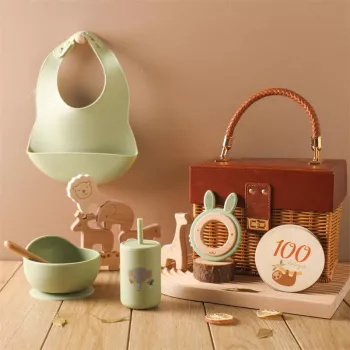
Mealtime Made Simple: Baby Silicone Feeding Set with Wooden Milestone Cards
Starting solids is exciting—and messy. A feeding setup that stays put, feels good in little hands, and cleans up quickly can turn daily meals into calmer moments. Our baby silicone feeding set pairs BPA-free, durable essentials for everyday feeding with wooden milestone cards to help you capture the “firsts” that happen along the way. For more guidance, see Perspective: Novel Commercial Packaging and Devices for ….
What’s Included and What Each Piece Does
When you’re introducing purées, soft finger foods, and early snacks, a coordinated set helps you keep routines consistent. Our team designed this silicone feeding set to support early self-feeding with everyday items that handle tipping, slipping, and frequent washing. For further reading, see Choosing Safe Feeding Tools for Babies and Toddlers.
- A silicone feeding set designed for early self-feeding: everyday items that handle purées, finger foods, and snacks with less slipping and tipping.
- Soft, baby-friendly silicone helps protect gums during early spoon practice and reduces sharp edges at the table.
- Wooden milestone cards add a simple, photo-ready way to mark key moments—first bites, first foods, and growing routines—without needing extra props.
- Built for repeat use: silicone resists staining and odors better than many porous materials when cleaned promptly.
Quick guide to common feeding-set pieces and how they help
| Item | Best for | Why it helps | Everyday tip |
|---|---|---|---|
| Silicone bowl | Purées, yogurt, oatmeal, small portions | Grippy base and flexible material reduce sliding and clatter | Warm the bowl with hot water first if serving warm foods |
| Silicone plate | Finger foods, divided meals | More surface area for exploring textures and practicing pincer grasp | Offer 2–3 foods at once to avoid overwhelming new eaters |
| Baby spoon | First spoon-feeding and early self-feeding | Gentler on gums than hard utensils | Preload the spoon and let baby bring it to their mouth |
| Cup (trainer style) | First sips of water, learning open-cup skills | Supports early drinking practice with less mess than adult cups | Start with tiny amounts and offer after a few bites |
| Bib (silicone style) | Drool, drips, and food drops | Catch pocket helps keep clothes cleaner and reduces floor cleanup | Rinse right after meals to prevent residue buildup |
| Wooden milestone cards | Photos and keepsakes | Simple, timeless way to document feeding milestones | Keep a small box nearby so cards stay clean between uses |
Why BPA-Free Silicone Matters for Daily Feeding
Feeding gear touches warm foods, liquids, and tiny mouths—so choosing BPA-free materials is a practical baseline for everyday use. The U.S. Food & Drug Administration provides background on BPA use in food contact applications, which can help you feel more confident about what you’re bringing to the table.
- Food-grade silicone is valued for its flexibility, durability, and ease of cleaning compared with many plastics.
- Silicone’s softer feel can make the transition to utensils less intimidating during early solids.
- For best results, stick with safe-use habits: discard items that show damage, avoid using anything that smells strongly after cleaning, and always supervise meals.
Durability That Keeps Up with Real Life
Baby meals are high-frequency: breakfast, snacks, dinner, and everything in between. A set that’s built for repeat use helps your routine stay steady—and consistency is often what helps babies feel comfortable experimenting.
- Silicone can handle squeezing, dropping, and repeated washing without splintering or cracking like some rigid materials.
- Familiar tools matter: using the same bowl, spoon, and cup can reduce friction as your baby practices new skills.
- Wooden milestone cards are best treated as keepsakes: store dry, wipe clean, and keep out of reach during eating to prevent chewing.
A Simple Mealtime Routine (Less Mess, More Progress)
You don’t need a complicated plan—just a repeatable rhythm that keeps the focus on learning rather than cleanup. The American Academy of Pediatrics offers guidance on starting solid foods, and food-safety basics from the CDC can help you build confidence as variety increases.
- Set up for success: use a stable highchair, bring the bib and utensil, and serve small portions that can be replenished.
- Offer a mix of textures: one soft food (banana, avocado), one mashable (sweet potato), and one easy-to-grip (steamed sticks).
- Model and pause: show one bite, then give time—babies learn through repetition and observation.
- Finish with quick cleanup: rinse silicone items promptly; wash thoroughly; allow to dry fully before storing.
Milestone Cards: Turn Everyday Meals into Keepsakes
Some of the sweetest “firsts” happen on an ordinary Tuesday. Our wooden milestone cards make it simple to capture those moments without turning mealtime into a production.
Who This Set Is Great For
Shop Our In-Stock Picks
- Baby Silicone Feeding Set with Wooden Milestone Cards – BPA Free, Safe & Durable
- Calvin Klein Retro Square Sunglasses with Dark Lenses
- IPL Eye Beauty Device with Three-Color Light & Vibration
FAQ
How do silicone feeding items stay clean and odor-free?
Rinse right after meals, wash with hot soapy water, and let everything dry fully before storing. Avoid letting strongly colored or strongly scented foods sit for long periods, and replace items if they’re damaged or odor persists after thorough cleaning.
Are wooden milestone cards safe to use during feeding?
Use the cards as photo props before or after the meal, not as toys or teethers. Keep them dry, wipe them clean as needed, and store them out of reach during eating to reduce chewing and choking risks.
When can a baby start using a feeding set like this?
Typically, babies start when they show readiness for solids (often around 6 months) and can sit with support. Confirm timing and approach with your pediatrician, and always supervise meals.
Recommended for you

Was this article helpful?
Yes
No








Leave a comment