-
Shop
- Adidas
- Advanced Technologies
- Armani
- Bags
- Best-Sellers
- Birkenstock
- Boss
- Calvin Klein
- Car Accessories
- Crocs
- Dating & Social Skills
- Digital Resources
- Budgeting & Saving
- Emotional Intelligence
- Entrepreneurship & Business Growth
- Financial Independence
- Financial Mindset & Psychology
- Goal Setting
- Leadership
- Mindfulness
- Motivation
- Positive Thinking
- Productivity
- Self Confidence
- Sleep Improvement
- Stress Management & Relaxation
- Yoga & Mind-Body Practices
- Dr. Martens
- Drones
- Education & Learning
- Family & Parenting
- Fashion
- Fashion Accessories
- Financial Education
- Furniture
- Gadgets
- Health & Beauty
- Health & Wellness
- Home & Garden
- Home Decor
- Home Supplies
- Kids & Babies
- Lighting
- Massagers
- Mindset
- New Balance
- Nike
- Patio, Lawn & Garden
- Personal Growth
- Pet Care
- Pet Supplies
- Pets
- Shoes
- Sport & Outdoors
- Summer 2025 Fashion Collection
- Sunglasses
- Super Deals
- Timberland
- Tommy Hilfiger
- Travel
- Vans
- Wealth
- Winter Fashion
- Women’s Wellness & Lifestyle
- YouTube Shorts Best-Sellers
Body Language Tips for Everyday Confidence
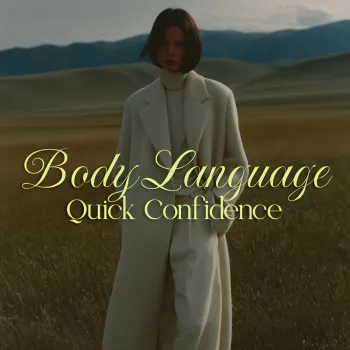
Walking into a meeting, joining a group conversation, or introducing yourself can make you suddenly aware of where to put your hands. You do not need to solve that feeling with a perfect pose. Confidence can begin with something smaller: noticing how you stand, where you direct your attention, and whether you give yourself room to pause.
At our store, we favor practical habits you can adapt to real life. The goal is not to look confident every second. It is to communicate in a way that helps you feel present and makes room for the other person, too.
Start With Awareness, Not a Perfect Pose
Before you change anything, notice what you already do. Do you lean forward when you are interested? Speak quickly when you are nervous? Hold tension in your shoulders while you listen? There is no need to judge the answers. A comfortable starting point is more useful than forcing yourself into a stance you cannot maintain.
Body language works best as support for connection, not a script to perform. It also is not a reliable way to read someone’s mind. Crossed arms might mean a person is cold, comfortable, or simply standing that way. Culture, context, and individual habits matter. If you are unsure what someone means, listen to their words and ask rather than relying on a gesture alone.
Three Small Shifts to Try Today
Settle into a comfortable posture
Place your feet where you feel steady, release any tension you notice in your shoulders, and sit or stand upright in a way that feels natural. You are not aiming for a rigid, shoulders-back pose. Choose a position that lets you breathe and pay attention to the conversation.
Direct your attention
When you can, turn toward the person speaking and set distractions aside. Use eye contact in a way that feels natural to you, with breaks whenever you need them. Staring is not a requirement for showing interest, and eye contact norms differ across people and situations.
Give yourself a beat
Before answering, take one breath. A brief pause can give you time to choose your words and hear the end of someone else’s thought. You do not have to fill every silence. If pausing feels unusual, try it first in a relaxed conversation rather than during your most demanding moment of the week.
| Moment | Try this | Keep it comfortable |
|---|---|---|
| Before a conversation | Plant your feet and release tension in your shoulders. | Choose a posture you can maintain naturally. |
| While listening | Turn toward the speaker and put distractions aside. | Let eye contact come and go naturally. |
| When it is your turn to speak | Take one breath, then begin at an unhurried pace. | A pause is allowed; there is no need to fill every silence. |
Treat each shift as an experiment. Keep what helps you engage, and adjust what feels distracting or uncomfortable. You may find that a slower pace helps in a meeting while relaxed shoulders are the more useful reminder during a casual introduction.
Let Listening Do Some of the Work
Nonverbal communication goes both ways. While you consider your own presence, give the other person time to express theirs. Let them finish, leave a little space before responding, and ask a follow-up question when you want to understand more. “What happened next?” or “How did that work for you?” can do more for a conversation than trying to manage every movement you make.
Quietness, limited eye contact, or folded arms are not definitive signs of disinterest. Respond to what a person says; if their meaning is unclear, ask. For more background on the many ways people communicate, explore the American Psychological Association’s communication resources.
Build Confidence Through Repetition
Give yourself seven days with just one small shift. On day one, choose something specific, such as taking a breath before you speak. Try it during a low-pressure interaction each day: greeting a neighbor, asking a coworker a question, or chatting with a friend. Afterward, make a quick note about how it felt. Was it easy to remember? Did it help you pay attention? Would a different version feel more like you?
Track what you can control: preparation, attention, and practice. You cannot control another person’s reaction, and a flat conversation does not mean you failed. If self-doubt makes it hard to begin, the NHS guidance on raising low self-esteem offers broader ideas for building a kinder perspective on yourself.
If you want a dedicated resource, our Body Language Quick Confidence Guide is a $6.99 ebook focused on nonverbal communication tips and confidence-building habits. It is an optional way to keep your practice in one place, not a promise of a particular result. Our team recommends starting with a habit you can use without buying anything.
Make the Habit Your Own
Confident communication can look calm, warm, quiet, or expressive. What matters is whether your approach feels genuine and respectful to you and to the person you are with. For your next conversation, choose one tip from the table. Try it, notice what happens, and leave the rest for another day.
Compare related options such as Calvin Klein Retro Square Sunglasses with Dark Lenses to match features, dimensions, and use case before choosing.
FAQ
Can changing my body language make me feel more confident?
Small changes may help you feel more prepared and present, especially with practice. No posture or gesture guarantees a confidence boost, so focus on what feels useful to you.
Do I need to maintain eye contact to seem confident?
No. Comfortable, natural eye contact is generally more useful than following a fixed rule, and preferences vary by person, culture, and situation.
How can I practice nonverbal communication without feeling awkward?
Start with one low-pressure habit, such as relaxing your shoulders or pausing before you speak. Notice what feels authentic and adjust over time.
Recommended for you

Was this article helpful?
Yes
No









Leave a comment