-
Shop
- Adidas
- Advanced Technologies
- Armani
- Bags
- Best-Sellers
- Birkenstock
- Boss
- Calvin Klein
- Car Accessories
- Crocs
- Dating & Social Skills
- Digital Resources
- Budgeting & Saving
- Emotional Intelligence
- Entrepreneurship & Business Growth
- Financial Independence
- Financial Mindset & Psychology
- Goal Setting
- Leadership
- Mindfulness
- Motivation
- Positive Thinking
- Productivity
- Self Confidence
- Sleep Improvement
- Stress Management & Relaxation
- Yoga & Mind-Body Practices
- Dr. Martens
- Drones
- Education & Learning
- Family & Parenting
- Fashion
- Fashion Accessories
- Financial Education
- Furniture
- Gadgets
- Health & Beauty
- Health & Wellness
- Home & Garden
- Home Decor
- Home Supplies
- Kids & Babies
- Lighting
- Massagers
- Mindset
- New Balance
- Nike
- Patio, Lawn & Garden
- Personal Growth
- Pet Care
- Pet Supplies
- Pets
- Shoes
- Sport & Outdoors
- Summer 2025 Fashion Collection
- Sunglasses
- Super Deals
- Timberland
- Tommy Hilfiger
- Travel
- Vans
- Wealth
- Winter Fashion
- Women’s Wellness & Lifestyle
- YouTube Shorts Best-Sellers
Linen-Cotton Seat Cushion Protector: Subaru, Jeep, Lexus
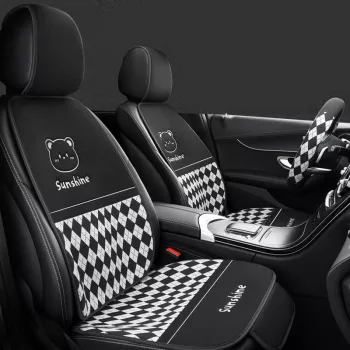
Universal Linen-Cotton Car Seat Cover Cushion Protector for Subaru, Jeep, and Lexus
Seats take the brunt of everyday life—commutes, coffee runs, gym clothes, beach days, dog rides, and quick stops in the rain. A cushion protector is a simple upgrade that keeps the seat surface cleaner, helps reduce wear in high-contact areas, and adds a more comfortable feel for longer drives. This universal linen-cotton style is designed to be an easy, practical layer for many Subaru, Jeep, and Lexus interiors without turning the cabin into a “covered-seat” look.
What a seat cushion protector solves (and what it doesn’t)
If you’re trying to keep your interior looking fresh without committing to a full seat-cover setup, a cushion protector hits the sweet spot. Our team likes it for real-world messes and daily abrasion that typically shows up first on the driver’s seat.
- Helps shield the seat cushion from friction, fading, and everyday grime (especially on the driver’s seat edge and center panel).
- Acts as a buffer against sweat, sunscreen, dust, pet hair, crumbs, and damp clothing after hikes or workouts.
- Keeps seasonal temperature swings more manageable—less sticky than many synthetics in summer and less “cold shock” in winter.
- Best for the cushion and seating surface; it won’t replace a full seat cover if your goal is to fully wrap seatbacks and sides.
Why linen-cotton is a smart daily-driver fabric choice
When you spend time behind the wheel, the seat material matters. Linen-cotton blends are a popular option for day-to-day comfort because they’re designed to feel more breathable and less slick than many synthetic cover fabrics.
- Breathable feel: linen-cotton blends are commonly chosen for airflow and comfort during longer drives and warm-weather parking.
- Balanced texture: adds a natural-fabric touch without the “plasticky” feel that can happen with some low-breathability materials.
- Cabin-friendly look: pairs well with common Subaru, Jeep, and Lexus interior palettes (black, gray, tan) for a clean, understated finish.
- Practical maintenance: the goal is simple upkeep—shake out debris, spot clean when needed, and keep the seat surface looking fresher.
Universal fit: a quick compatibility check for Subaru, Jeep, and Lexus
Universal seat protectors are designed to accommodate a wide range of standard front seats, making them a flexible choice for multi-car households. To get the most out of a universal cushion protector, focus on how it lays on the cushion—not just whether it “fits.”
- Before ordering, confirm the seat shape: very pronounced bolsters, integrated seat controls, or unique sports seats may require extra adjustment.
- If your vehicle has seat-mounted side airbags, keep all airbag areas unobstructed and avoid routing straps or fabric across airbag seams.
- For best results, aim for a snug, flat lay on the cushion—wrinkles and bunching can reduce comfort and increase sliding.
Fit & Use Checklist (fast pre-install guide)
| Area to check | What to look for | Why it matters |
|---|---|---|
| Seat cushion shape | Mostly standard cushion surface with manageable bolsters | Improves coverage and reduces shifting |
| Seat-mounted side airbags | Airbag label or seam on outer seatback | Protects airbag deployment paths—do not obstruct |
| Seat belt buckles | Buckle receivers remain accessible | Prevents daily annoyance and unsafe belt routing |
| Heated/ventilated seats | No blocked controls; surface stays flat | Helps maintain comfort and function |
| Headrest/seatback features | No interference with levers or storage | Keeps adjustments usable without removing the cover |
Installation that stays put: simple steps for a cleaner look
A cushion protector should look neat and feel stable. A few minutes of setup prevents the “constant readjusting” frustration later.
- Start with a clean surface: a quick vacuum helps the protector sit flatter and reduces trapped grit that can cause abrasion.
- Center first: place it on the cushion, then smooth from the middle outward to reduce bunching.
- Align at the seat crease: tuck and position near the junction where the seatback meets the cushion so it doesn’t ride forward over time.
- Re-seat after a few drives: most shifting happens early until the protector settles into its natural position.
Everyday scenarios this protector is made for
Most interior wear isn’t dramatic—it’s repetitive. If your vehicle sees a mix of errands and adventure, this is the kind of layer that quietly keeps things easier to live with.
Care and upkeep for a linen-cotton seat protector
A simple upgrade that preserves resale-ready interiors
Shop our in-stock picks
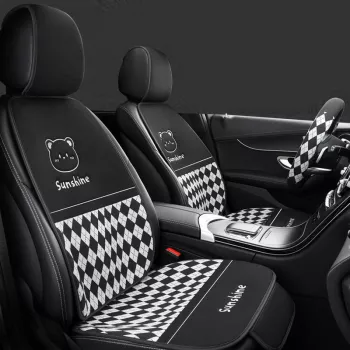
- Universal Car Seat Cover Linen Cotton Cushion Protector for Subaru, Jeep, Lexus
- Calvin Klein Retro Square Sunglasses with Dark Lenses
Safety notes and official guidance
If your seats have side airbags, keep airbag seams and deployment areas unobstructed. For general airbag safety information, visit NHTSA — Air Bags. For model-specific guidance, consult your vehicle’s owner’s manual; one directory for manuals is Vehicle Owner’s Manuals.
FAQ
Will a universal seat cushion protector work with side airbags?
It can, as long as you keep any seat-mounted airbag areas unobstructed and avoid routing fabric or straps across airbag seams. Follow your vehicle manual’s guidance for using seat covers around airbags.
How can sliding or bunching be reduced after installation?
Smooth from the center outward, align the protector with the seat crease, and re-adjust after a few drives as it settles. Keeping the seat surface clean and dry helps reduce movement.
What’s the best way to clean a linen-cotton seat protector?
Use routine vacuuming or a lint roller for debris, then spot clean marks promptly after they happen. Test cleaners on a hidden area first and let the protector fully dry before reinstalling.
Recommended for you
Was this article helpful?
Yes
No







Leave a comment