-
Shop
- Adidas
- Advanced Technologies
- Armani
- Bags
- Best-Sellers
- Birkenstock
- Boss
- Calvin Klein
- Car Accessories
- Crocs
- Dating & Social Skills
- Digital Resources
- Budgeting & Saving
- Emotional Intelligence
- Entrepreneurship & Business Growth
- Financial Independence
- Financial Mindset & Psychology
- Goal Setting
- Leadership
- Mindfulness
- Motivation
- Positive Thinking
- Productivity
- Self Confidence
- Sleep Improvement
- Stress Management & Relaxation
- Yoga & Mind-Body Practices
- Dr. Martens
- Drones
- Education & Learning
- Family & Parenting
- Fashion
- Fashion Accessories
- Financial Education
- Furniture
- Gadgets
- Health & Beauty
- Health & Wellness
- Home & Garden
- Home Decor
- Home Supplies
- Kids & Babies
- Lighting
- Massagers
- Mindset
- New Balance
- Nike
- Patio, Lawn & Garden
- Personal Growth
- Pet Care
- Pet Supplies
- Pets
- Shoes
- Sport & Outdoors
- Summer 2025 Fashion Collection
- Sunglasses
- Super Deals
- Timberland
- Tommy Hilfiger
- Travel
- Vans
- Wealth
- Winter Fashion
- Women’s Wellness & Lifestyle
- YouTube Shorts Best-Sellers
Choosing an Automatic Cat Litter Box for Odor Control
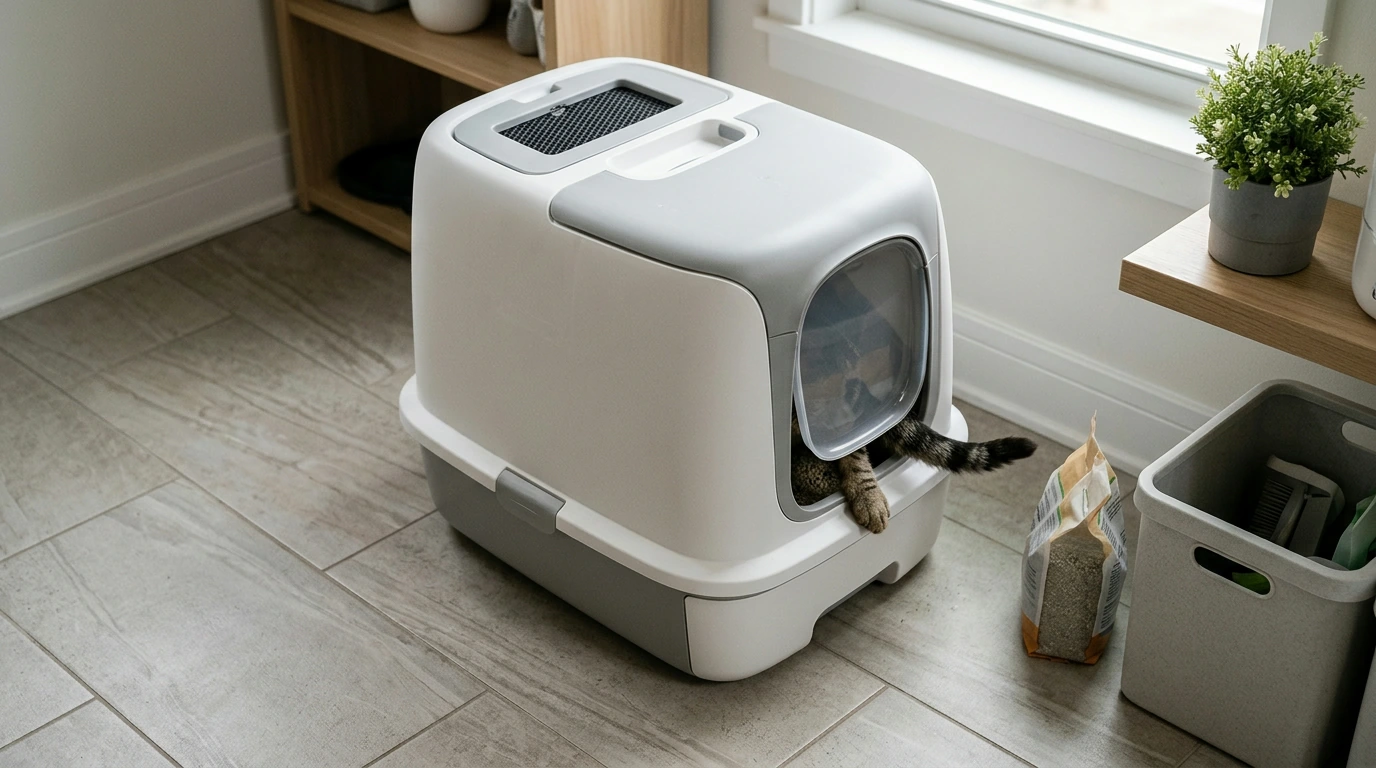
The best automatic cat litter box for odor control is one that keeps clumps and waste in a covered, easy-to-seal drawer and supports a reliable cleaning routine. A carbon filter can help reduce lingering smells, but no feature replaces prompt waste removal and regular cleaning. When comparing designs, look at the whole odor-control system—not just whether the box is advertised as self-cleaning.
What features help control litter box odor?
Prioritize a covered waste compartment with a drawer that closes securely. Because the drawer holds scooped waste between emptyings, its design can make a noticeable difference in the smells that escape into your room. A replaceable carbon filter is a useful added layer; find out where it sits and how often it needs replacing so you can keep it working.
Look for a cleaning cycle you can set to run after your cat has used the box, with enough delay for litter to clump. A cycle that runs too soon may leave wet litter behind, while one that runs too infrequently can allow waste to linger. App controls can make cycle settings and drawer reminders easier to manage, but odor control still depends on the box’s physical design and upkeep.
How should you choose a box for your home?
Consider the number of cats using the box and how often you can empty the waste drawer. In a multi-cat home, a small drawer may fill quickly even if the box cleans itself after each visit. Choose a capacity that suits your routine, and confirm that the unit accepts a litter type your cat will use. Some automatic boxes are designed for particular litter textures or clumping behavior.
Also consider where the unit will sit. A covered drawer and filter may help contain odor, but placing the box in a ventilated spot makes the area easier to keep fresh. Avoid relying on scented litter or fragrance as a substitute for removing waste; strong added scents may be unwelcome to some cats.
What routine keeps an automatic litter box fresh?
Empty the waste drawer before it becomes full, replace the filter as directed, and clean the litter-contact surfaces regularly. Waste or residue left on the rake, basin, or other internal parts can continue to smell even when the drawer is closed. Use cleaning methods suitable for the unit, and allow parts to dry before adding litter again.
For more on app controls, cleaning cycles, and odor-control features, read our guide to smart self-cleaning litter boxes.
FAQ
How often should you empty an automatic litter box?
Empty the waste drawer when it approaches capacity, and check it regularly because fill speed depends on the number of cats and how often they use the box. Don’t wait for odor to become noticeable before emptying it.
Recommended for you

Was this article helpful?
Yes
No









Leave a comment