Timberland Gray Sunglasses: Neutral Tint, Daily Comfort
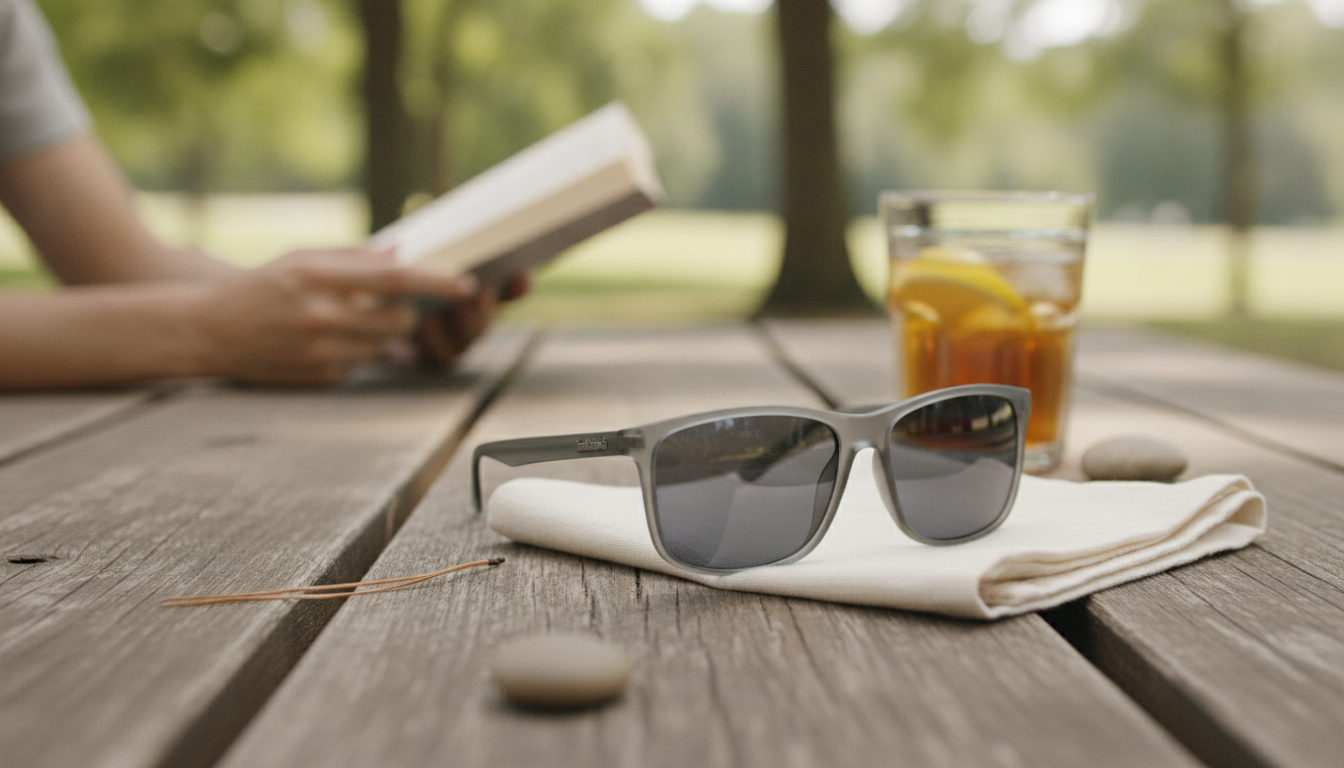
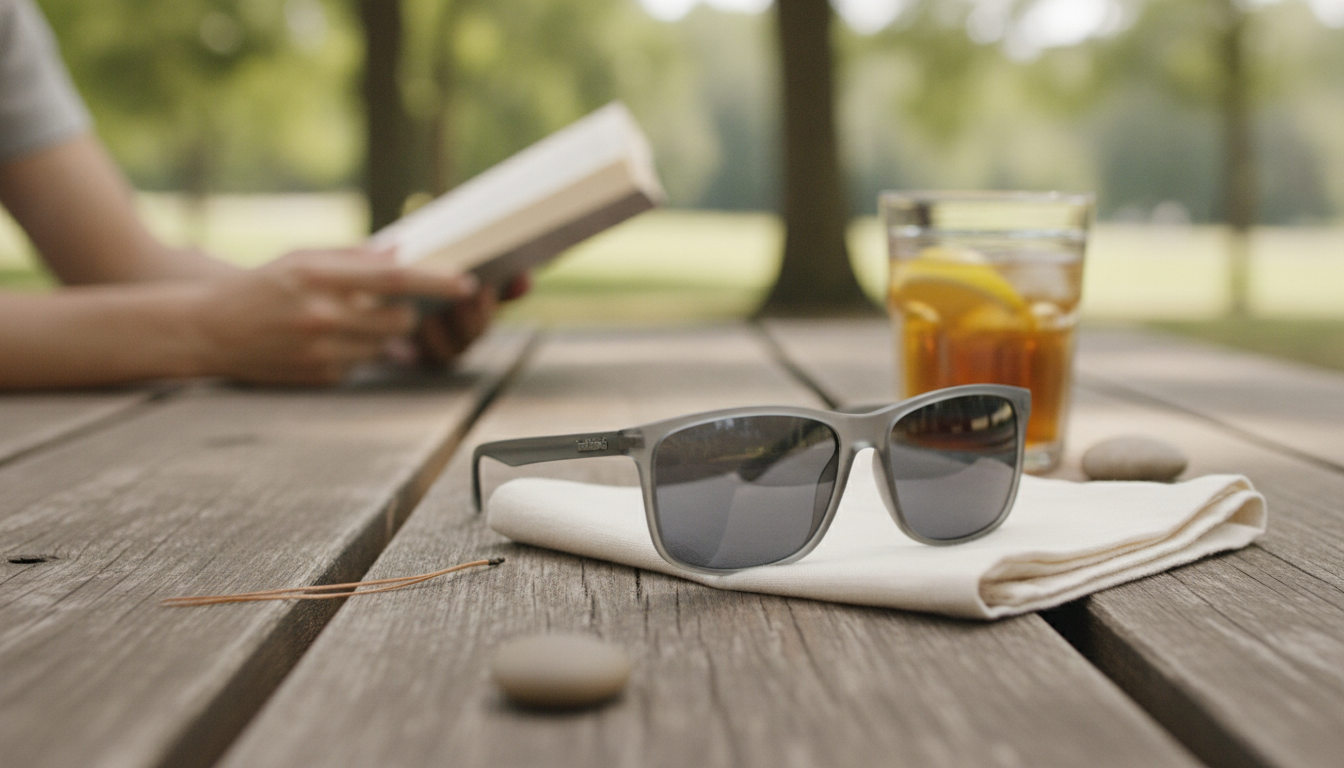
Timberland gray sunglasses are made for bright commutes, long weekends outside, and those in-between days when you bounce from sidewalks to shade to open sun. A neutral lens tint can make daily wear feel easier—less squinting, more comfortable brightness control, and a look that fits naturally with workwear and outdoor staples. Below is a practical guide to how gray lenses perform, what to check before buying, how to dial in fit, and how to care for your pair so it stays clear and comfortable over time. For more guidance, see Featured Frames – UC Berkeley Optometry Clinic.
Why gray lenses work for daily wear
Gray is often considered the “no-drama” lens tint: it cuts brightness without pushing the world warmer or cooler. That’s a big reason it’s popular for everyday sunglasses. For further reading, see Timberland (company) – Wikipedia.
- Neutral tint: Gray lenses reduce glare and brightness while keeping colors closer to natural—useful for driving, walking, and general outdoor use.
- Comfort in changing light: Gray can feel less “warm” than brown/amber tints, which some people prefer in intense sun or when moving between shade and open light.
- Versatile styling: Gray lenses and gray-toned frames pair easily with denim, charcoal, black, and earth tones common in rugged, outdoor-ready wardrobes.
- Great for multi-use days: If you want one pair for errands, travel, and light recreation, gray is a reliable pick when true-to-life color matters.
Product spotlight: Timberland Gray Sunglasses
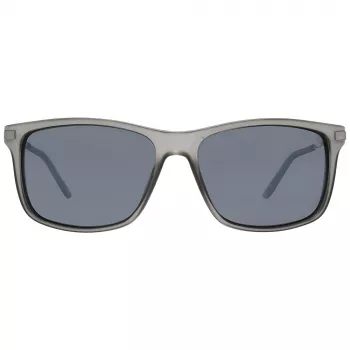
If you want a clean, straightforward colorway that’s easy to wear year-round, Timberland Gray Sunglasses are a simple, daily-friendly option. They’re best suited for everyday sun protection, driving, and casual outdoor activities where comfort and clarity matter more than specialized sport features.
Before purchasing, it’s smart to verify a few essentials (especially if you plan to wear them for long stretches): look for UV400 or 100% UVA/UVB protection, check lens category if it’s listed (category 2–3 is common for sunny conditions), and confirm fit dimensions when available.
| Item | Details |
|---|---|
| Product | Timberland Gray Sunglasses |
| Price | 125.60 USD |
| Availability | In stock |
| Product page | https://veritelle.com/timberland-gray-sunglasses/ |
Fit and comfort: getting the right feel on the face
Even the best lenses won’t feel “right” if the frame fit is off. The goal is stable and secure without pressure points—especially if you wear sunglasses while driving, walking, or working outdoors.
- Bridge fit: Sunglasses should sit securely without sliding down. Pressure on the nose or deep red marks usually signals a poor bridge match.
- Temple alignment: Arms should rest evenly without squeezing. Tightness at the temples can become a headache by mid-day.
- Coverage: More coverage can reduce peripheral light and cut down on squinting in open sun.
- Use measurements if provided: Compare lens width, bridge width, and temple length to a pair you already know fits well.
| Check | What “good” feels like | What to adjust/avoid |
|---|---|---|
| Nose bridge | Secure without pressure points | Red marks, soreness, frequent slipping |
| Temples | Even pressure, no pinching | Headache, tightness behind ears |
| Lens position | Eyes centered, stable when moving | Frames touch cheeks when smiling |
| Coverage | Minimal side glare | Persistent peripheral light causing squinting |
Lens performance basics to look for
Not all dark lenses protect your eyes. The label and build quality matter more than how tinted the lens looks.
- UV protection: Prioritize lenses labeled 100% UVA/UVB or UV400. Tint darkness alone does not guarantee UV blocking. The American Academy of Ophthalmology emphasizes choosing sunglasses that block 99% to 100% of UV radiation.
- Polarization (if offered): Polarized lenses can reduce glare bouncing off roads and water, which is especially helpful for driving or time near reflective surfaces. For general guidance, see the FDA’s overview on sunglasses and sun glare.
- Optical clarity: Look for consistent clarity across the lens—noticeable edge distortion can cause eye strain over longer wear.
- Coatings and durability: Scratch-resistant hard coats help with day-to-day use, and water/oil-resistant coatings can make smudges less stubborn.
When gray sunglasses are the best choice
Gray lenses shine when you want balanced brightness control without changing how colors look. They’re a strong match for everyday situations and mixed environments.
| Lens tint | Strengths | Common trade-offs |
|---|---|---|
| Gray | Natural color, versatile, comfortable in strong sun | Less contrast boost than some tints |
| Brown/Amber | Often increases contrast, can feel “warmer” | More color shift; can feel too warm in some conditions |
| Green | Balanced color with moderate contrast | Less common; varies by lens design |
| Mirrored (any base tint) | Can reduce perceived brightness, adds privacy | Mirror layer can show scratches more easily if not cared for |
Care and storage for longer lifespan
Choosing between Timberland sunglasses styles and builds
More in-stock picks to pair with your everyday carry
- Women’s Genuine Leather Boston Shoulder Bag — a compact, structured option for daily essentials (and a safe spot for sunglasses when you step indoors).
- 650W Electric Airless Paint Sprayer — useful for outdoor DIY days when bright light and glare can make detailed work harder to see.
FAQ
Do gray lenses change color perception?
Gray is considered a neutral tint, so it mainly reduces brightness while keeping colors relatively natural. Certain coatings and polarization can slightly change how some reflections or screen tones look, but the overall color shift is typically minimal.
Are Timberland sunglasses good for driving?
They can be a strong choice for driving when they provide UV400 or 100% UVA/UVB protection, and gray lenses help preserve natural color recognition. If polarization is available, it can reduce road glare, though some digital screens may appear dimmer or rainbow-tinted with polarized lenses.
How can UV protection be confirmed on sunglasses?
Check the product labeling for UV400 or 100% UVA/UVB protection; darker lenses aren’t automatically safer. Reputable retailers typically list compliance details, and some optical shops can test UV blocking if you want added reassurance.






Leave a comment