-
Shop
- Adidas
- Advanced Technologies
- Armani
- Bags
- Best-Sellers
- Birkenstock
- Boss
- Calvin Klein
- Car Accessories
- Crocs
- Dating & Social Skills
- Digital Resources
- Budgeting & Saving
- Emotional Intelligence
- Entrepreneurship & Business Growth
- Financial Independence
- Financial Mindset & Psychology
- Goal Setting
- Leadership
- Mindfulness
- Motivation
- Positive Thinking
- Productivity
- Self Confidence
- Sleep Improvement
- Stress Management & Relaxation
- Yoga & Mind-Body Practices
- Dr. Martens
- Drones
- Education & Learning
- Family & Parenting
- Fashion
- Fashion Accessories
- Financial Education
- Furniture
- Gadgets
- Health & Beauty
- Health & Wellness
- Home & Garden
- Home Decor
- Home Supplies
- Kids & Babies
- Lighting
- Massagers
- Mindset
- New Balance
- Nike
- Patio, Lawn & Garden
- Personal Growth
- Pet Care
- Pet Supplies
- Pets
- Shoes
- Sport & Outdoors
- Summer 2025 Fashion Collection
- Sunglasses
- Super Deals
- Timberland
- Tommy Hilfiger
- Travel
- Vans
- Wealth
- Winter Fashion
- Women’s Wellness & Lifestyle
- YouTube Shorts Best-Sellers
Budget Like a Boss: Your Monthly Budget Checklist

A monthly budget does not have to be complicated to be useful. It is simply a plan for the money you expect to receive and the expenses and goals you want it to cover. A printable PDF checklist can help you turn that plan into a routine you revisit each month.
We recommend starting with the numbers you have, making reasonable estimates, and adjusting as you learn. The goal is not a perfect forecast; it is a clearer picture of your choices before your money is already spent.
Start with a Clear Picture of Your Money
Before you assign dollars to categories, gather your recent pay information, bills, and account statements. Look at the last few months if you can. They can reveal costs that are easy to overlook, such as subscriptions, transportation, and occasional medical expenses.
Write down your expected take-home income: the amount that reaches you after taxes and other paycheck deductions. Include other reliable income you expect during the month, but avoid counting money that may not arrive.
If your income varies, use a conservative estimate based on a lower-earning month or another amount you can reasonably expect. You can make a separate plan for any additional income if it comes in. The Consumer.gov guide to making a budget offers another helpful starting point for organizing income and expenses.
Build Your Monthly Budget Step by Step
Once you know your expected income, give each major expense a place in your plan. Work through these steps in order, using actual bill amounts where possible and estimates where necessary.
- List fixed bills. Include rent or mortgage payments, insurance, debt payments, and other recurring obligations. Add due dates so you can see when the money needs to be available.
- Estimate flexible expenses. Set aside realistic amounts for groceries, transportation, household supplies, and other costs that change. Your recent statements can help you choose a starting amount.
- Plan for savings and irregular costs. Include a contribution toward your savings goals and money for expenses that do not arrive every month, such as annual fees, gifts, or car maintenance.
- Subtract planned spending from income. Add your categories, including savings, and subtract that total from your take-home income. Decide where any remaining money should go.
The following table is an illustration, not a prescribed spending plan. Your amounts and categories should reflect your own circumstances.
| Category | Planned amount |
|---|---|
| Take-home income | $3,000 |
| Housing and utilities | $1,300 |
| Groceries and transportation | $600 |
| Savings and irregular expenses | $400 |
| Other spending | $500 |
| Amount left to assign | $200 |
In this example, $2,800 is assigned to spending and savings, leaving $200 to allocate. You might put the remainder toward a future bill, additional savings, or another priority. If your result is negative, adjust the plan before the month begins rather than assuming the shortfall will resolve itself.
Start with essentials, then look for amounts you can reduce or postpone. For example, if you are considering a discretionary purchase such as our Calvin Klein Retro Square Sunglasses with Dark Lenses, decide whether it fits your available spending money after necessities and other priorities are covered.
Put the Checklist to Work
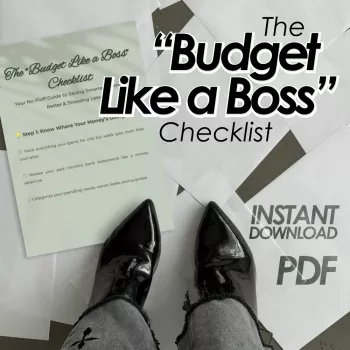
Our Budget Like a Boss printable monthly budget checklist is a PDF guide for planning your monthly budget. Use it to give the process a consistent place in your routine, whether you are starting fresh or refining a plan you already use.
Keep your checklist alongside your bill dates and spending records. A quick look partway through the month can show whether a category is running higher than expected while you still have time to adjust. You can also note a question to revisit, such as whether your grocery estimate reflects your actual habits.
Budget Like a Boss is listed at $6.99 and is in stock. Price and availability can change, so confirm both on the product page when you are ready to buy.
Review, Adjust, and Plan the Next Month
At the end of the month, compare what you planned with what you actually spent. An overage is information, not a reason to abandon the budget. If transportation cost more than expected, for example, consider whether the next month needs a higher allowance or whether another category can be reduced.
Also look ahead for irregular expenses. Dividing an upcoming annual bill into smaller monthly amounts can make it easier to prepare, even if you cannot set aside the full amount right away. Carry forward what worked, revise what did not, and use your updated numbers as the starting point for the next month.
For more tools and guidance, visit the Consumer Financial Protection Bureau’s budgeting resources. Our team encourages you to make your plan practical enough to use, not so restrictive that you cannot maintain it.
FAQ
How often should I review my monthly budget?
Take a brief look during the month to see how your spending compares with your plan. Do a fuller review before planning the next month.
What should I do if my expenses are higher than my income?
Prioritize essential bills, look for spending you can adjust, and revise your plan. If you need more help, consider contacting your creditors or a qualified financial counselor.
Can I make a monthly budget with irregular income?
Yes. Start with a conservative income estimate and decide in advance how you will use any income above that amount.
Recommended for you


Was this article helpful?
Yes
No









Leave a comment