-
Shop
- Adidas
- Advanced Technologies
- Armani
- Bags
- Best-Sellers
- Birkenstock
- Boss
- Calvin Klein
- Car Accessories
- Crocs
- Dating & Social Skills
- Digital Resources
- Budgeting & Saving
- Emotional Intelligence
- Entrepreneurship & Business Growth
- Financial Independence
- Financial Mindset & Psychology
- Goal Setting
- Leadership
- Mindfulness
- Motivation
- Positive Thinking
- Productivity
- Self Confidence
- Sleep Improvement
- Stress Management & Relaxation
- Yoga & Mind-Body Practices
- Dr. Martens
- Drones
- Education & Learning
- Family & Parenting
- Fashion
- Fashion Accessories
- Financial Education
- Furniture
- Gadgets
- Health & Beauty
- Health & Wellness
- Home & Garden
- Home Decor
- Home Supplies
- Kids & Babies
- Lighting
- Massagers
- Mindset
- New Balance
- Nike
- Patio, Lawn & Garden
- Personal Growth
- Pet Care
- Pet Supplies
- Pets
- Shoes
- Sport & Outdoors
- Summer 2025 Fashion Collection
- Sunglasses
- Super Deals
- Timberland
- Tommy Hilfiger
- Travel
- Vans
- Wealth
- Winter Fashion
- Women’s Wellness & Lifestyle
- YouTube Shorts Best-Sellers
Leashable Puppy Winter Coat: Warm, Cute, Easy Walks
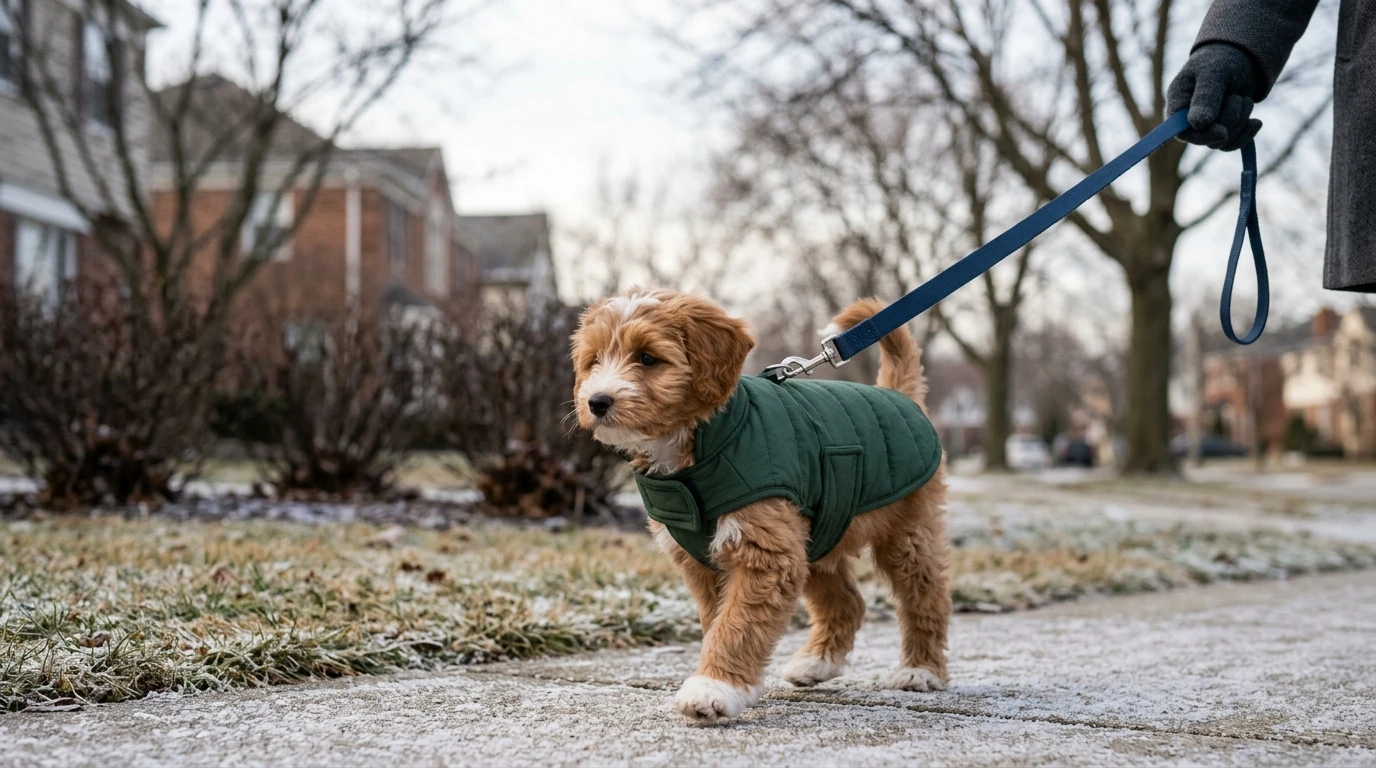
Puppy Winter Coat with Leashable Vest: Cozy Warmth, Easier Walks, Everyday Cute
Cold days can turn a quick potty break into a shivery struggle—especially for small dogs and puppies. Our cotton-padded winter coat with a leashable vest detail and teddy letter embroidery is designed to keep warmth close while helping walks feel simpler and more secure, whether it’s a brisk morning loop or a slow weekend stroll.
Why a winter coat matters for small dogs and puppies
Small dogs and young pups can feel the cold sooner than you expect, and that discomfort can show up fast on a windy sidewalk or damp lawn. A coat isn’t about “dressing up”—it’s about keeping your dog comfortable enough to focus on the routine: going potty, walking politely, and building confidence outdoors.
- Smaller bodies often lose heat faster, which can make short outdoor trips uncomfortable in cool or windy weather.
- Puppies are still learning outdoor routines; staying comfortable supports calmer, more confident walks.
- A properly fitted coat adds insulation without forcing you to cut outdoor time as drastically on chilly days.
- Warmth is mostly about core coverage (chest and back), not full leg coverage for most everyday walks.
For broader cold-weather safety guidance, reputable organizations like the American Veterinary Medical Association (AVMA) and the American Kennel Club (AKC) recommend watching your dog’s behavior closely and limiting exposure when temperatures or conditions become harsh.
What makes this coat different: padded warmth + leashable vest convenience
Some winter gear is warm but annoying to put on. Some is cute but flimsy. Our team built this option around the everyday reality: you’re trying to get out the door quickly, keep your dog cozy, and avoid a wrestling match before every walk.
- Cotton-padded construction focuses on cozy insulation for cool-weather outings.
- Leashable vest design helps streamline walk setup—aiming for fewer layers and less fuss before heading out.
- Teddy letter embroidery adds a playful finish that still looks put-together for quick errands and neighborhood laps.
- Made for small-dog proportions, helping you get a snug, warm fit without bulky excess fabric.
Quick benefits at a glance
| Need | How this coat helps | When it’s most useful |
|---|---|---|
| Warmth on chilly walks | Cotton padding helps hold heat around the core | Morning/evening walks, breezy days |
| Less walk-time hassle | Leashable vest concept simplifies gearing up | Potty breaks, short trips |
| Comfortable everyday wear | Lightweight warmth compared to heavy layering | Errands, visits, casual strolls |
| Cute seasonal look | Teddy letter embroidery adds style | Photos, meetups, holiday season |
Fit and comfort checklist (so warmth actually works)
Warmth depends on fit. Too tight and your dog won’t move naturally; too loose and cold air sneaks in around the chest and shoulders. If you want the coat to do its job, take a minute to measure and do a quick comfort check before your first outdoor walk.
- Measure before ordering: focus on chest girth and back length.
- Confirm easy movement: your dog should sit, step, and sniff without the coat pulling at the shoulders.
- Check the neckline and arm openings: a good fit stays close without rubbing.
- Leave room for normal breathing and play—especially for puppies that wiggle and grow quickly.
- Do an indoor trial for a few minutes to spot any pressure points before you head out.
Pre-walk fit check (30 seconds)
| Checkpoint | What you want | What to adjust if it’s off |
|---|---|---|
| Chest | Snug but not tight; about two fingers of room | Size up or loosen closures if movement is restricted |
| Back length | Covers the back without bunching near the tail | Adjust size to reduce riding up or excess fabric |
| Shoulders | Front legs move freely without pulling | Reposition coat; change size if tugging persists |
| Neck | Comfortable, not pressing on the throat | Loosen/resize to prevent rubbing |
Using the leashable vest safely
Leashable coats can be convenient, but safety comes first. The goal is a stable connection point that doesn’t twist the coat, ride up, or put pressure in the wrong place.
- Attach the leash only to the designated leash point on the vest portion (not to decorative areas).
- If your dog pulls hard or is actively training, a separate, well-fitted harness may still be the better option; use the coat primarily for warmth.
- Do a quick tug test before leaving: a gentle pull should feel stable without shifting the coat uncomfortably.
- For very active dogs, monitor fit changes during the first few walks as the coat breaks in.
When to reach for this coat (and when to skip it)
If you want another trusted overview of winter precautions, the ASPCA has practical cold-weather tips worth keeping in mind during the season.
Care tips to keep it looking fresh all season
In-stock picks from our team
- Puppy Winter Coat with Leashable Vest & Teddy Letter Embroidery – Warm Cotton Padded Jacket for Small Dogs
- Cozy Cartoon Cat Cave Bed for Kittens
FAQ
How do sizing and fit work for a puppy winter coat?
Measure your puppy’s chest girth and back length, then choose the size that matches those measurements while keeping shoulder movement free. Aim for a snug fit that traps warmth without squeezing, and allow a little growing room without letting the coat get loose and drafty.
Can a leash be attached directly to the coat’s vest feature?
Yes—attach the leash only to the designated leash attachment point on the vest portion and do a quick stability check before you head out. If your dog is a strong puller or is in training, a separate harness may be safer for control while the coat provides warmth.
How cold is too cold for a small dog to be outside, even with a coat?
It’s too cold if your dog starts shivering, repeatedly lifting paws, slowing down, or refusing to walk—those are signs to head inside. Limit time outdoors in extreme cold and follow established veterinary and animal welfare guidance for winter safety.
Recommended for you

Was this article helpful?
Yes
No









Leave a comment