-
Shop
- Adidas
- Advanced Technologies
- Armani
- Bags
- Best-Sellers
- Birkenstock
- Boss
- Calvin Klein
- Car Accessories
- Crocs
- Dating & Social Skills
- Digital Resources
- Budgeting & Saving
- Emotional Intelligence
- Entrepreneurship & Business Growth
- Financial Independence
- Financial Mindset & Psychology
- Goal Setting
- Leadership
- Mindfulness
- Motivation
- Positive Thinking
- Productivity
- Self Confidence
- Sleep Improvement
- Stress Management & Relaxation
- Yoga & Mind-Body Practices
- Dr. Martens
- Drones
- Education & Learning
- Family & Parenting
- Fashion
- Fashion Accessories
- Financial Education
- Furniture
- Gadgets
- Health & Beauty
- Health & Wellness
- Home & Garden
- Home Decor
- Home Supplies
- Kids & Babies
- Lighting
- Massagers
- Mindset
- New Balance
- Nike
- Patio, Lawn & Garden
- Personal Growth
- Pet Care
- Pet Supplies
- Pets
- Shoes
- Sport & Outdoors
- Summer 2025 Fashion Collection
- Sunglasses
- Super Deals
- Timberland
- Tommy Hilfiger
- Travel
- Vans
- Wealth
- Winter Fashion
- Women’s Wellness & Lifestyle
- YouTube Shorts Best-Sellers
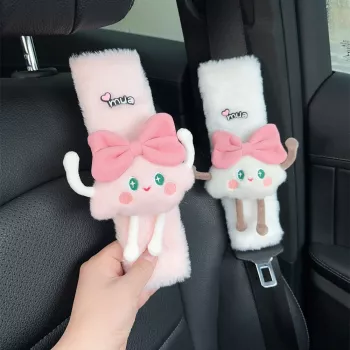
Soft Fur Seat Belt Shoulder Pads: Toyota, Honda, BMW
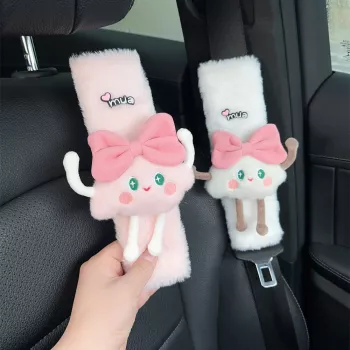
Soft Fur Shoulder Pads for Toyota, Honda, BMW
Long drives, daily commuting, and stop-and-go traffic can make a seat belt feel less like a safety essential and more like a pressure point—especially across the collarbone and neck. Our Soft Fur Shoulder Pads add a plush layer where the belt rests, helping keep your ride comfortable without changing how the belt works. Designed as an easy add-on for many Toyota, Honda, and BMW interiors, these pads bring a cozy touch that feels right at home in the driver’s seat or the passenger side.
Comfort where the belt meets the shoulder
If you’ve ever finished a drive with a red mark near your collarbone, you already know how much a small contact point can affect the whole trip. Our team likes shoulder pads because they focus comfort exactly where the belt rubs most.
- Adds a soft, cushioned surface between the belt and your skin to reduce rubbing on longer trips.
- Helpful for sensitive areas around the neck/collarbone, especially when you’re wearing lighter fabrics or tank tops.
- Makes daily errands and commutes feel more relaxed without requiring any permanent change to your vehicle.
- Works nicely for both front and back seats, so passengers can stay comfortable too.
If you’re ready to upgrade the “everyday feel” of your cabin, you can start with our core option here: Soft Fur Shoulder Pads for Toyota, Honda, BMW.
A cozy cabin upgrade that still looks clean
Comfort add-ons can be hit-or-miss visually—some look bulky or out of place. A faux-fur shoulder pad can add warmth without making your interior feel cluttered, especially when you keep the placement consistent from seat to seat.
- Faux-fur styling brings a warm, plush accent to a minimalist dashboard and seat setup.
- Soft textures can make an interior feel more inviting—especially in colder seasons when materials feel stiff at first touch.
- Pairs well with neutral interiors (black, gray, beige) and adds visual softness without looking overly bulky.
- A small detail that can make the driver’s area feel more personalized, especially for shared family vehicles.
Fit notes for Toyota, Honda, and BMW seat belts
Seat belts vary slightly in width and thickness by model and year. These shoulder pads are meant to wrap around the belt webbing rather than replace any belt component—so the goal is comfort while keeping correct belt routing.
- Position the pad so the belt lies flat across your shoulder and chest—avoid twisting the belt under the pad.
- If your belt height is adjustable (common in many Toyota, Honda, and BMW trims), set the upper anchor so the belt crosses mid-shoulder rather than your neck.
- If the pad shifts over time, re-center it and ensure the wrap is closed evenly so it hugs the belt webbing.
Quick placement guide (comfort + correct belt line)
| Seat position | Where to place the pad | What to check before driving |
|---|---|---|
| Driver | Upper half of the belt where it contacts the shoulder | Belt lies flat; buckle latches normally; belt retracts smoothly |
| Front passenger | Same as driver; adjust for passenger height | No twisting; pad does not block latch plate travel |
| Rear seat | Centered on the shoulder contact area | Belt retracts without snagging; child restraints remain properly routed |
For general seat belt routing guidance, you can also reference NHTSA — Seat Belts and IIHS — Safety Belts.
Installation and everyday use
Installation should be quick, but everyday performance matters more than the initial setup. The best results come from keeping the belt moving freely and keeping the pad on the shoulder portion (not the lap portion).
- Slide the pad to the spot where the belt most often rubs; keep it on the shoulder portion, not the lap portion.
- After installation, pull the belt all the way out and let it retract to confirm it moves freely and doesn’t catch.
- For frequent drivers, a quick reposition once a week keeps the pad centered and the belt webbing flat.
- If multiple people drive the same car, place the pad slightly higher on the belt so it can suit a range of heights with minimal adjusting.
One practical tip our team uses: after you buckle in, give the shoulder belt a gentle tug so it settles flat before you start rolling. That tiny habit helps keep the pad from slowly “walking” up or down the webbing.
Care tips to keep the fur soft
Keeping the pad clean is less about deep washing and more about light maintenance so the fibers stay fluffy and comfortable against your skin.
A simple add-on that complements other daily essentials
If you want a solid everyday option for glare and harsh light, we also carry Calvin Klein Retro Square Sunglasses with Dark Lenses.
FAQ
Will a shoulder pad affect seat belt safety?
A shoulder pad shouldn’t interfere with safety when the belt still lies flat across your shoulder and chest and the pad doesn’t block retraction or latching. After you install it, pull the belt fully out and let it retract to confirm smooth movement and proper routing.
How do these fit different Toyota, Honda, and BMW models?
Belts can differ by model and year, but the pad is designed to wrap around the belt webbing rather than replace any belt component. Make sure the wrap closes securely around your belt and that the belt retracts smoothly after installation.
Where should the pad sit for the best comfort?
Place it on the shoulder contact point—typically the upper half of the belt where it rests against your shoulder—rather than on the lap portion. Keep the belt untwisted, and use your vehicle’s height adjuster (if available) so the belt crosses mid-shoulder instead of your neck.
Recommended for you
Was this article helpful?
Yes
No









Leave a comment