-
Shop
- Adidas
- Advanced Technologies
- Armani
- Bags
- Best-Sellers
- Birkenstock
- Boss
- Calvin Klein
- Car Accessories
- Crocs
- Dating & Social Skills
- Digital Resources
- Budgeting & Saving
- Emotional Intelligence
- Entrepreneurship & Business Growth
- Financial Independence
- Financial Mindset & Psychology
- Goal Setting
- Leadership
- Mindfulness
- Motivation
- Positive Thinking
- Productivity
- Self Confidence
- Sleep Improvement
- Stress Management & Relaxation
- Yoga & Mind-Body Practices
- Dr. Martens
- Drones
- Education & Learning
- Family & Parenting
- Fashion
- Fashion Accessories
- Financial Education
- Furniture
- Gadgets
- Health & Beauty
- Health & Wellness
- Home & Garden
- Home Decor
- Home Supplies
- Kids & Babies
- Lighting
- Massagers
- Mindset
- New Balance
- Nike
- Patio, Lawn & Garden
- Personal Growth
- Pet Care
- Pet Supplies
- Pets
- Shoes
- Sport & Outdoors
- Summer 2025 Fashion Collection
- Sunglasses
- Super Deals
- Timberland
- Tommy Hilfiger
- Travel
- Vans
- Wealth
- Winter Fashion
- Women’s Wellness & Lifestyle
- YouTube Shorts Best-Sellers
Kids BMX Bike With Training Wheels: Fit, Safety & Tips
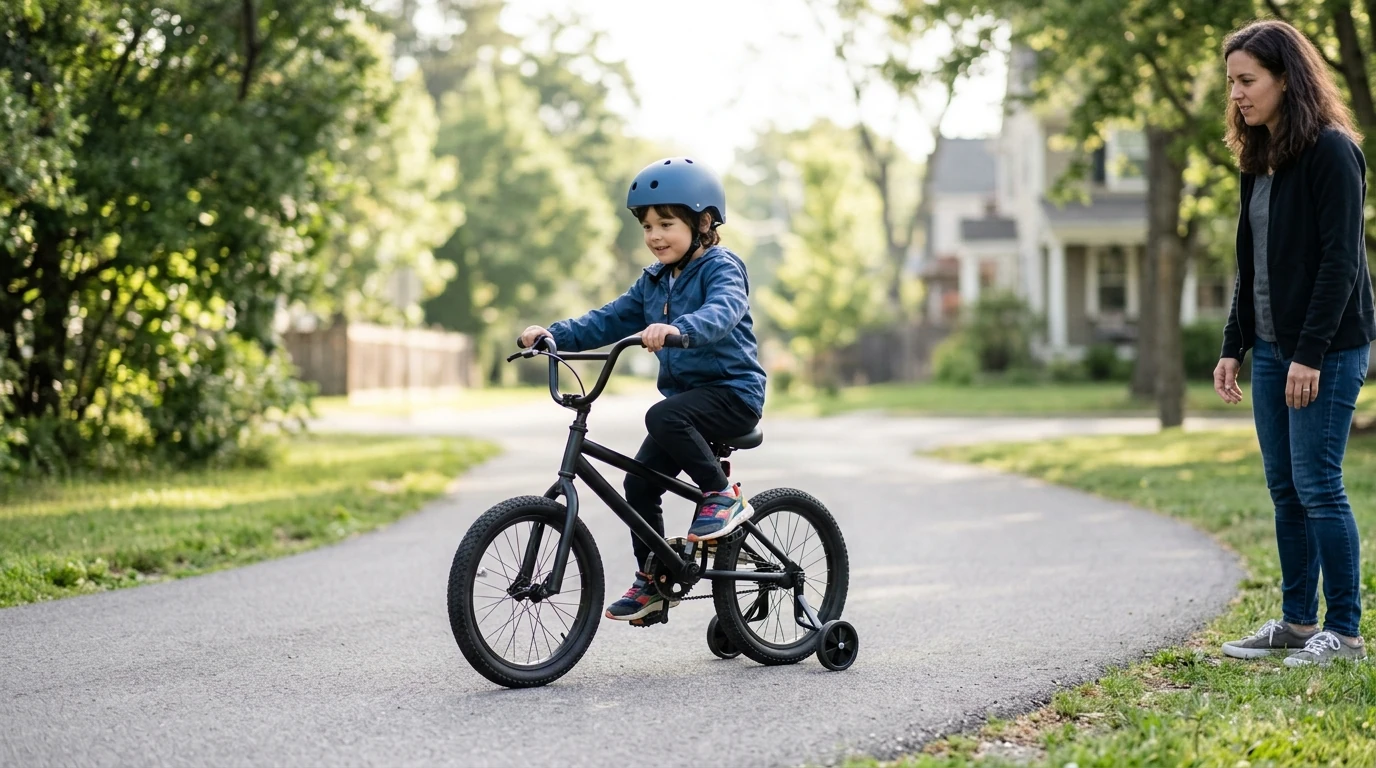
Kids BMX Style Bike with Training Wheels: A Confidence-First Ride for New Riders
A first “real bike” should feel exciting, sturdy, and easy to grow into. A kids BMX style bike with training wheels brings that classic freestyle look together with extra stability, so early rides can focus on steering, braking, and having fun—without the wobbles taking over.
Why BMX style works so well for learning
BMX-inspired kids bikes tend to feel approachable for beginners because the riding experience is simple and familiar: pedal, coast, brake, repeat. That simplicity matters when you’re helping a new rider build muscle memory and confidence.
- A BMX-inspired look gives kids that “big kid bike” vibe from day one, which helps motivation stay high through the learning phase.
- A straightforward riding style supports repeat practice—start/stop, turns, and short cruises—without overcomplicating the experience.
- Training wheels add a predictable base so beginners can concentrate on hand position, pedaling rhythm, and gentle steering corrections.
- Great for neighborhood sidewalks and smooth paths where short practice loops build skills quickly.
What to check before choosing a kids bike with training wheels
Comfort and control matter more than the number on the birthday cake. If a rider feels stretched out, cramped, or unsure on the brakes, progress slows fast. When the fit is right, you’ll usually see calmer starts, smoother stops, and fewer sudden “panic feet” moments.
- Rider fit matters more than age: a bike should allow a comfortable reach to the handlebars and confident control of the brakes.
- Seat height should support learning: aim for a position that lets the rider stabilize easily when stopping and starting (many families begin slightly lower and raise it later).
- Brake comfort: little hands do best with levers that feel easy to squeeze and predictable to stop.
- Weight and handling: if the bike feels too heavy to steer or start, learning can slow down; choose something that feels manageable for the rider.
At-a-glance fit and readiness checklist
| Checkpoint | What to look for | Why it helps |
|---|---|---|
| Handlebar reach | Elbows slightly bent, shoulders relaxed | Improves steering control and reduces fatigue |
| Stop-and-start confidence | Rider can pause and restart without panic | Builds independence faster |
| Brake practice | Can squeeze levers smoothly while keeping hands on grips | Safer speed control on small descents |
| Turning space | Can make wide turns without oversteering | Encourages steady cornering instead of sudden swings |
| Training wheel contact | Wheels touch evenly without rocking side-to-side | Creates stable learning with fewer tip-overs |
Training wheels, adjusted the right way
Training wheels are most helpful when they support balance without “steering” the bike for the rider. If one side sits too low, the bike can feel like it constantly wants to drift or tip toward that wheel, which makes turning and braking harder to learn.
- Set for stability, not speed: training wheels should support balance while still encouraging the rider to keep the bike upright.
- Keep the bike tracking straight: if the training wheels feel uneven, the bike can tilt and steer unpredictably.
- Listen for “clatter” in turns: loud tapping can signal the rider is leaning hard onto one wheel—time to practice gentler turns or adjust height.
- Plan for progression: as confidence grows, small adjustments can encourage better balance before removing them completely.
One practical approach: once your rider can go straight comfortably and stop on purpose, raise the training wheels slightly so they “catch” only when needed rather than carrying the bike through every turn.
A simple first-week practice routine
Short, calm sessions beat long, frustrating ones—especially for brand-new riders. Our team recommends aiming for consistent repetition: the same start, the same stop, the same gentle turn, and a quick break before your rider gets tired.
First-week practice plan (10–15 minutes per session)
| Day | Focus | Tip |
|---|---|---|
| 1 | Mount, pedal, stop | Start on flat ground; practice stopping before any slope |
| 2 | Smooth pedaling | Aim for steady circles, not stomping |
| 3 | Wide turns | Turn head first, then handlebars follow |
| 4 | Figure-eights | Keep turns big; reduce size gradually |
| 5 | Brake control | Light squeeze first, then stronger for a full stop |
| 6 | Longer straight rides | Choose a clear path with plenty of runout |
| 7 | Confidence loop | Repeat the easiest route to end the week on a win |
Safety essentials that make learning smoother
For additional guidance from safety-focused organizations, you can review Bicycle Safety from the U.S. Consumer Product Safety Commission and helmet fit basics from the CDC.
Kids BMX Style Bike with Training Wheels: what to expect from this pick
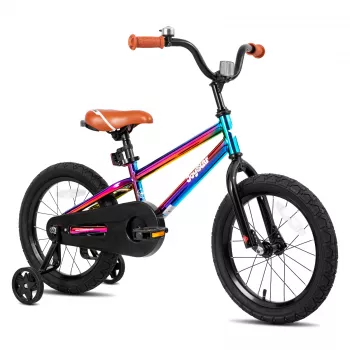
If you’re ready to start practicing this week, our Kids BMX Style Bike with Training Wheels is available now.
And if you’re joining the practice sessions on foot (or riding alongside), sunny afternoons are easier with reliable eye protection like our Calvin Klein Retro Square Sunglasses with Dark Lenses.
FAQ
When should training wheels come off?
Use readiness signs instead of a strict timeline: look for steady starts, controlled stops, and turns without leaning heavily on one training wheel. Gradually reduce reliance with small height adjustments before removing them completely.
How tight should training wheels be?
They should be secure enough that the hardware doesn’t shift during riding, while still adjusted so the bike doesn’t rock side-to-side. Recheck tightness after the first few rides as parts settle.
What’s a safe place to practice riding a new kids bike?
Pick flat, open areas away from traffic such as empty parking lots, quiet cul-de-sacs, or wide sidewalks where permitted. Avoid steep driveways and crowded paths until braking and steering are consistent.
Recommended for you

Was this article helpful?
Yes
No







Leave a comment