6V vs 12V Kids Ride-On Trike: Music, Lights, Safety
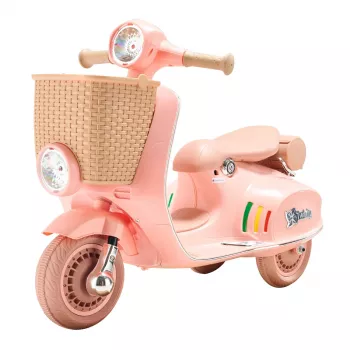
Kids Electric Ride-On Motorcycle Trike (6V/12V) with Music, Lights & 3 Wheels
A three-wheel electric ride-on motorcycle can be a fun way for kids to practice coordination and outdoor play, with extra “wow” from built-in music and lights. If you’re comparing a 6V versus 12V ride-on trike, it helps to understand how voltage affects everyday performance, what the feature set really changes during play, and what to check before that first lap around the driveway.
What Makes a Ride-On Motorcycle Trike Different
A ride-on “motorcycle trike” blends a motorcycle look (handlebars, seat posture) with a three-wheel stance that feels more supported for new riders. Compared with a two-wheel ride-on, the third wheel typically adds stability during starts and stops—often the trickiest moment for younger kids who are still learning to steer and keep their body centered.
Because kids still hold handlebars and steer like a motorcycle, they get meaningful practice with coordination and directional control, but without needing to actively balance the vehicle upright like a two-wheel toy. And when music and lights are included, shorter play sessions can feel more engaging—especially for kids who like buttons, sounds, and pretend “night rides” under close adult supervision.
6V vs 12V: Choosing the Right Power Level
Voltage is an easy spec to compare, but it’s not the only factor that affects real-world speed and ride time. Terrain, rider weight (within the manufacturer’s limit), tire material, and drivetrain efficiency can all change what your child experiences.
- 6V ride-on trikes usually feel calmer at takeoff and are often a comfortable match for beginners and smooth surfaces like indoor floors or level patios.
- 12V ride-on trikes generally deliver a stronger start and may feel more confident outdoors on flat, even paths—especially for slightly older kids or heavier riders who are still within the stated limit.
- Where it’s used matters: a roomy living area, a smooth driveway, and a park path can all “feel” different under the same battery voltage.
Quick Guide: 6V vs 12V Ride-On Trikes
| Feature | 6V (typical experience) | 12V (typical experience) |
|---|---|---|
| Acceleration feel | Gentler start; easier for first-time riders | Stronger start; may feel quicker to new riders |
| Best for | Younger kids and indoor/smooth surfaces | Older kids and outdoor flat surfaces |
| Terrain tolerance | Prefers smooth flooring and even pavement | Handles minor surface variation better (still not for steep hills) |
| Battery expectations | Often shorter run time under heavier load | Often better under load; run time still depends on use and conditions |
Key Features: Music, Lights, and Wheels
Feature lists can look similar across models, but the details change how convenient the trike feels day to day.
- Music controls: Some ride-ons include built-in tunes; others may add input options depending on configuration. Look for child-friendly buttons that are still simple for an adult to manage (volume and on/off are big wins).
- Lights: Front and/or dashboard lighting adds play value and can help visibility during supervised dusk play. Lights don’t replace reflective gear or a well-lit area, but they do make the toy easier to spot.
- Wheel style: Harder plastic wheels tend to roll easily and quietly on smooth indoor floors. More tread can improve outdoor grip, but ride-ons still do best on even terrain without loose gravel.
- Three-wheel stance: A stable footprint can reduce tip-over risk during wobblier moments like starting, stopping, and slow turns—though speed limits, surface choice, and supervision remain essential.
Safety Checklist Before Every Ride
Electric ride-ons are toys, but they move with enough force that a consistent safety routine matters. For toy safety updates and recall guidance, the U.S. Consumer Product Safety Commission is a reliable reference: CPSC Toy Safety. For helmet fit basics, see the American Academy of Pediatrics guidance: Bicycle Helmet Safety (AAP).
- Protective gear: Helmet use is strongly recommended. Add closed-toe shoes, and avoid loose clothing or dangling drawstrings.
- Safe riding zone: Use only on flat areas away from traffic, pools, stairs, steep slopes, and crowded walkways.
- Fit check: Confirm the rider meets the manufacturer’s age and weight limits; overloading can reduce control and stress the motor and battery.
- Hardware check: Make sure the battery compartment is secured, wiring is tucked, and screws/axles remain tight after assembly and periodically thereafter.
- Simple rules: Slow starts, seated riding only, one rider at a time, and adult supervision throughout.
Many ride-on toys are designed with broad toy standards in mind; for an overview of toy safety standardization, you can also review ASTM’s information on ASTM F963: ASTM Toy Safety Standards Overview.
Battery Care and Charging Habits That Help the Ride Last
Battery performance depends on how it’s treated. A few practical habits can help keep acceleration consistent and reduce early battery wear.
Assembly, Setup, and First Ride Routine
When This Ride-On Trike Makes a Great Gift
Shop In-Stock Picks
- Kids Electric Ride-On Motorcycle Trike 6V/12V with Music, Lights & 3 Wheels
- Calvin Klein Retro Square Sunglasses with Dark Lenses
FAQ
Is a 3-wheel ride-on motorcycle safer than a 2-wheel ride-on?
Three wheels typically improve stability and reduce balancing demands, especially during starts and stops. Safety still depends on using the right surface, staying within age/weight limits, wearing protective gear, and maintaining close adult supervision.
How long does the battery last on a 6V/12V ride-on trike?
Run time varies widely with rider weight, surface type, temperature, and how often lights and music are used. Many families plan for a short-to-moderate play window per charge and recharge after each session to keep performance consistent.
Can it be used outdoors on sidewalks or driveways?
It’s typically suitable for smooth, flat outdoor surfaces like even sidewalks or driveways with close adult supervision. Avoid streets, steep hills, wet surfaces, gravel-heavy areas, and any location near traffic or hazards.










Leave a comment