2PCS Angled Makeup Brush Set for Brows & Soft Wing Liner
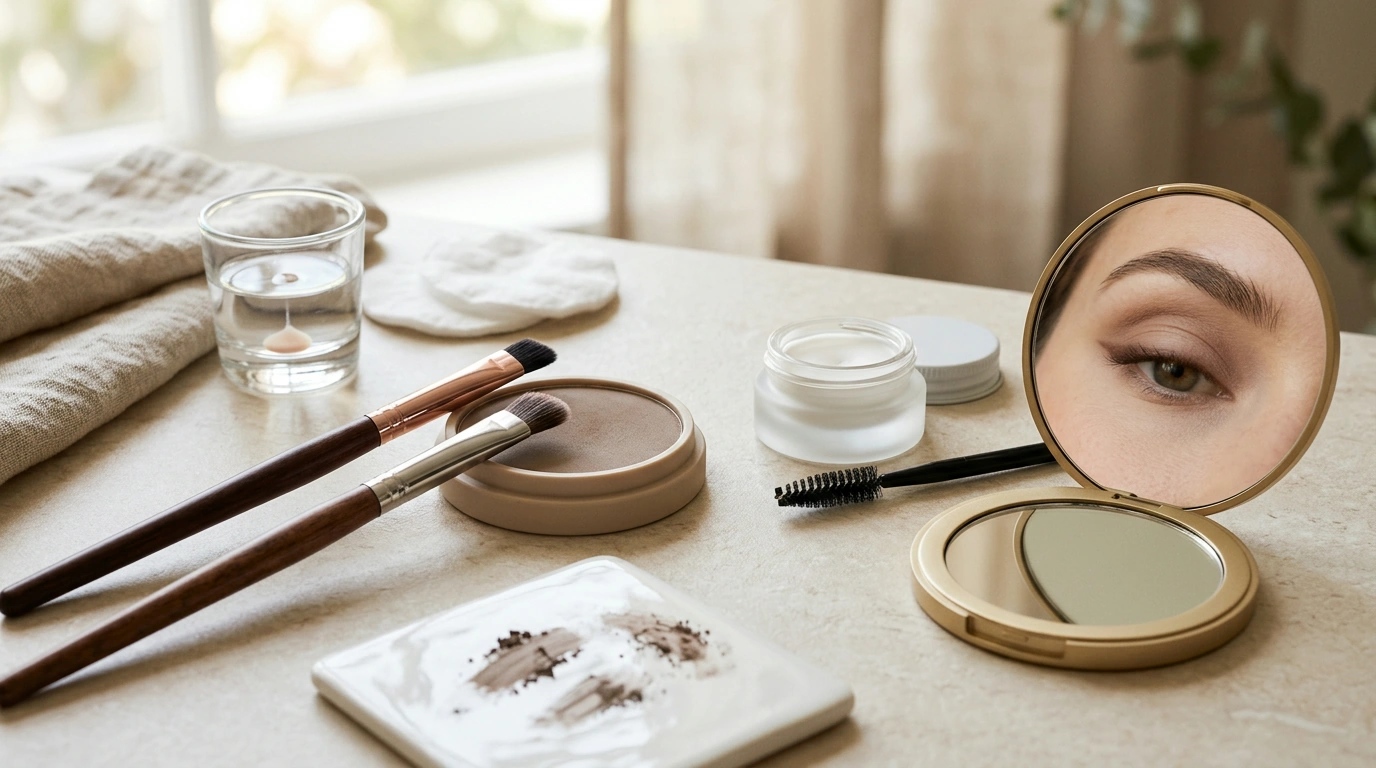
2PCS Angled Makeup Brush Set: Precise Lines, Soft Blending, Everyday Control
Angled brushes make small, controlled strokes feel effortless—whether shaping brows, tracing a soft wing, or placing color exactly where it flatters. A focused 2-piece angled set helps daily routines look polished without a full roll-up kit: one brush for crisp definition, and one for gentle softening. The result is more control at the lash line and brow tail, plus the ability to blur edges quickly when a look needs to shift from sharp to lived-in.
What’s Included and What Each Brush Does
This set centers on two angled shapes that complement each other. One brush is ideal for targeted placement along brows, lash lines, and the outer corner. The second angled brush is designed for smudging, shading, or softening edges without losing the lifted, structured shape angled brushes are known for. Both can be used with powder, cream, and gel formulas—what changes is product pickup and pressure.
Brush Use Guide
| Brush Role | Best For | Formula Match | Quick Tip |
|---|---|---|---|
| Angle + define | Brow tail, eyeliner, sharp outer corner | Pomade, gel liner, pressed shadow | Wipe excess product; build in thin layers for cleaner edges |
| Angle + soften | Smoky liner, lower lash line, crease edge cleanup | Powder shadow, soft cream shadow | Use short back-and-forth strokes to blur without spreading too wide |
How to Use Angled Brushes for Brows
Angled brushes shine when you want shape without harsh blocks of color. The goal is to place pigment where brows naturally look fuller, then fade it where hair density is lighter.
- Start by brushing brow hairs into place (a spoolie helps) before adding product so you can see gaps clearly.
- Outline the bottom edge first, then fill sparse areas with short, hair-like strokes rather than solid stripes.
- Keep the inner brow lighter by using leftover product on the brush—this prevents the “stamp” look.
- For a cleaner finish, lightly trace around the brow with concealer using the angled edge, then tap to blend so the border looks sharp but not chalky.
For the most natural finish, concentrate detail on the tail and top line, then soften the front third. If you accidentally over-darken, switch to the softer angled brush and gently buff the edge upward to diffuse.
How to Use Angled Brushes for Liner and Soft Wings
Angled liner application is easiest when it’s treated like “stamping” rather than sketching one long line. Small presses deposit color right at the roots, which looks fuller and helps reduce skipping.
- Press product into the lash line in tiny stamps instead of dragging from inner to outer corner in one pass.
- Angle the brush so the tip leads the motion for a sharper wing that stays lifted.
- For a softer look, use powder shadow and build intensity at the outer third first, then connect inward lightly.
- If edges look too crisp, switch to the softer angled brush and gently smudge upward to blur the line without dropping it down.
When working close to the eye, keep movements controlled and avoid tugging. If eyes are sensitive, using short presses often feels gentler than pulling the skin taut and dragging product across it.
Formula Pairings That Make Application Easier
The same angled brush can create everything from barely-there definition to a sharp, editorial wing—what changes is the product texture and how you load the bristles.
- Powder shadows: Typically the easiest to blend and correct, making them great for soft liner and diffused definition that won’t look overdone.
- Cream shadows and brow creams: Use light pressure and build gradually to avoid harsh blocks of color. A little goes a long way.
- Gel liner/pomade: Keep strokes thin and clean the brush more often; buildup can make the angled edge feel less precise and cause skipping.
- Sensitive eyes: Minimize tugging by pressing product in short stamps rather than dragging along the lash line.
For general cosmetic and eye-area safety guidance, review the FDA’s recommendations on cosmetics safety and the American Academy of Ophthalmology’s eye makeup safety tips.
Cleaning and Care for Better Performance
Angled brushes perform best when the edge stays crisp. Product residue—especially gels and creams—can round out the slant over time and make lines look thicker than intended.
Who This 2-Piece Set Fits Best
Product Details and Quick Comparison
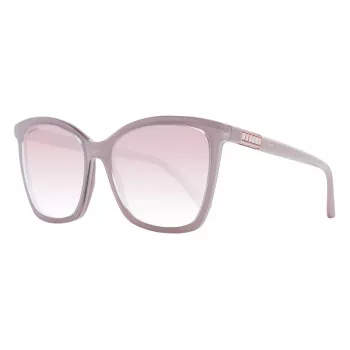
If you want an affordable, compact option for everyday brow and eye definition, the 2PCS Angled Makeup Brush Set is designed to cover precision placement plus quick blending. For a more complete eye-area routine, pair it with tools that support your prep and finishing steps—like a device for targeted eye-area care (IPL Eye Beauty Device with Three-Color Light & Vibration) or a protective accessory for sunny days (Calvin Klein Retro Square Sunglasses with Dark Lenses).
At-a-Glance Details
| Item | Count | Primary Uses | Price |
|---|---|---|---|
| 2PCS Angled Makeup Brush Set | 2 brushes | Brows, eyeliner, smudging, targeted shading | $5.67 |
FAQ
Can angled makeup brushes be used with both powder and gel products?
Yes. Powders are great for soft definition, while gels and pomades create sharper lines. Use lighter pressure with gels and clean the brush more often to prevent buildup.
How often should angled brushes be cleaned?
For powders, weekly cleaning is typically enough. For gels or creams, clean after each use or every few uses to keep the angled edge crisp and reduce residue.
What’s the easiest way to get a natural-looking brow with an angled brush?
Outline lightly, then fill sparse areas with short, upward hair-like strokes. Keep the front of the brow lighter by using minimal product there.







Leave a comment